When it comes to bonsai trees, sunlight is a crucial factor in their care, much like with their full-sized counterparts. Bonsai trees indeed can get too much sun, which leads to problems like leaf burn and stunted growth. These miniature trees rely heavily on proper light exposure for photosynthesis, which fuels their growth and overall health.
Different bonsai species have varying sunlight requirements, but generally, during peak months like May to August, they may need up to eight hours of sunlight per day. While sunlight is essential, particularly UV light, overexposure can create an environment that's too intense, resulting in yellowing leaves or wilting. It’s important to gradually acclimate your bonsai to more sun exposure if needed, which helps prevent shock.
Creating an ideal environment involves balancing light, and temperature, and ensuring the right amount of water to support optimal growth. Whether your bonsai resides indoors or outdoors, understanding its specific sunlight needs is key to keeping its vibrant health intact. We can explore these aspects in detail, helping you create the perfect habitat for these beautiful miniature trees.
Bonsai Leaf Burn
When our bonsai trees are subjected to too much direct sunlight, especially during midday, the delicate leaves can suffer from leaf burn. This is an issue both outdoor and indoor bonsai can face, particularly if they are placed in a south-facing window without monitoring.
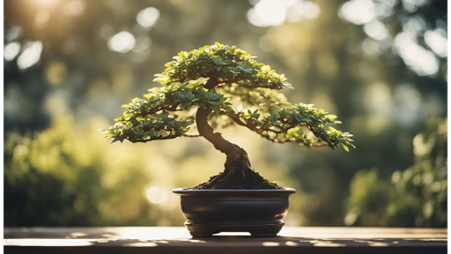
Causes of Leaf Burn in Bonsai Trees
- Prolonged exposure: Full sun can scorch bonsai leaves.
- Inadequate watering: Dry soil adds stress during hot spells.
- Heavy nitrogen fertilisers: Using them in summer can worsen the effects.
Signs Your Bonsai Is Getting Too Much Sun
When it comes to leaf burn, there are clear signs:
- Yellowing or browning: The initial indicator of sunburn.
- Crispy or brittle leaves: Leaves lose their flexibility.
- Drooping branches: This often results from dehydration.
Bonsai Summer Safety Tips
As the summer heat intensifies, bonsai trees need special care to thrive. Here, we'll explore essential steps focusing on proper watering, misting techniques, and ensuring adequate shade. These tips will help maintain the health of your bonsai amidst the challenges posed by strong sunlight.
Watering
During summer, adjusting our watering schedule is crucial. We need to increase the frequency, especially for bonsai in smaller pots that tend to dry out faster. Employing a deep watering technique ensures that the water reaches the roots, which is vital to prevent dehydration.
Deep watering involves soaking the soil thoroughly, allowing it to absorb maximum moisture. This method is beneficial for species like juniper bonsai and maple bonsai, which are sensitive to heat stress. Monitoring the soil's moisture level can ensure that our bonsai remains hydrated without overwatering.
Misting
Misting plays a key role in maintaining humidity around our bonsai. By misting the leaves, we help the trees retain moisture, which prevents leaf drying. This practice is particularly beneficial during hot summer days when humidity levels drop.
In terms of frequency, misting should ideally be done once or twice daily during high temperatures. It’s an excellent option for evergreen bonsai and Chinese elm bonsai, enhancing their resilience against direct sunlight. Remember, misting should complement the watering routine, not replace it.
Shade
Providing partial shade is essential to shield our bonsai during peak sun hours, typically between 11 AM and 3 PM. Too much direct sunlight can cause leaf burn and stress. We can use mesh shading nets to filter the intense rays, creating a balanced light environment.
Positioning bonsai under trees or on a shaded patio offers natural protection. This indirect light allows species like ficus bonsai to photosynthesise efficiently without overheating. Ensuring appropriate shading keeps our bonsai healthy and vibrant throughout the summer.
Wet Towels
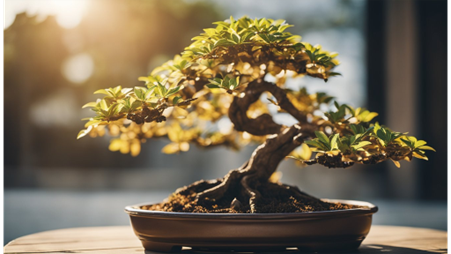
A simple yet effective method to regulate soil temperature is placing damp towels around the bonsai pots. This technique helps cool the soil and maintain consistent moisture levels, crucial during heatwaves.
By keeping the soil temperature steady, we minimise the risks associated with overheating. It is a straightforward approach that can be easily integrated into our daily bonsai care routine, especially when combined with other preventative measures.
Avoid Nitrogen-Heavy Fertilisers
Using nitrogen-heavy fertilisers can stimulate unwanted growth during summer, adding stress to the bonsai. These fertilisers might encourage excessive leaf production, straining the tree's resources during hot weather.
It's advisable to use balanced fertilisers or even skip fertilisation during extreme heat to avoid overburdening the trees. Our aim is to support natural growth without inducing additional stress.
Apply Moss
Applying moss on the soil surface is beneficial for retaining moisture and insulating the roots against high temperatures. We start by cleaning the soil surface, then gently pressing the moss onto it, ensuring it covers the pot thoroughly.
This layer acts as a barrier against direct sunlight, providing cool insulation. Moss is particularly advantageous for species prone to dehydration, offering both aesthetic and functional benefits.
No Maintenance During Heatwaves
Avoid undertaking maintenance tasks like repotting, pruning, or styling during heatwaves. Such activities can intensify stress on our bonsai due to the extreme heat.
The root systems of these small trees are sensitive, and disruptions can impact their ability to absorb water efficiently. It's wise to postpone any intensive care routines until temperatures moderate, allowing the bonsai to remain stable and stress-free.
Expert Tips for Long-Term Sun Management
When caring for bonsai, it's crucial to account for sun exposure throughout the year.
We can rotate bonsai placement to adapt to seasonal changes. In summer, moving trees to shaded areas can prevent leaf burn. During winter, positioning them for maximum sunlight helps combat light scarcity. Rotating the pots every few weeks ensures even growth, preventing one side from becoming overexposed.
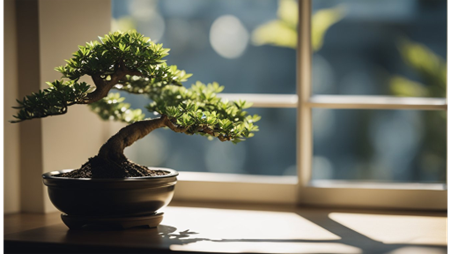
Using UV-resistant pots offers several advantages. These pots reflect harmful rays, moderating root temperatures and preventing overheating. They also protect the tree’s roots from rapid temperature changes, which can cause stress. Investing in these pots might seem costly, but they offer long-term protection and stability for your bonsai.
Monitoring weather conditions is essential for effective sun management. By regularly checking weather apps, we can anticipate heatwaves and take proactive steps, like adjusting watering schedules or bringing bonsai indoors. This foresight helps maintain optimal humidity levels and prevents dehydration.
Staying vigilant about sun management ensures that our bonsai can thrive, regardless of the season. By applying these tips, we foster a healthy, balanced environment for our miniature trees.
Final Thoughts
When it comes to keeping bonsai trees healthy and vibrant, balancing sunlight exposure is key. While sunlight is essential, too much can lead to leaf burn and dehydration. On the flip side, insufficient sunlight may cause issues like stunted growth or leggy growth. Let's explore these factors a bit more.
Signs of Insufficient Sunlight:
- Yellowing leaves
- Slow growth
- Extended internodes
- Weak branches
Mature trees often have different sunlight needs. Younger bonsai might cope with fluctuations better than mature trees, which may be more sensitive to intense light or cold temperatures.
For indoor bonsai, using artificial light can help us manage light exposure better. Options like fluorescent lights and LED lights mimic sunlight and ensure adequate daily light. These solutions are great, especially when natural light is inconsistent.
Let's not forget the importance of monitoring. Regularly checking our bonsai can help prevent issues. Ensure they're not exposed to harmful levels of sunlight or left in the shade for too long.
By tailoring care to the specific needs of each bonsai species, we can promote healthy, thriving trees. Proper understanding and preventive measures make all the difference in maintaining their well-being.
Caring for bonsai trees is a rewarding journey that brings nature and artistry together. Whether you're just starting or are a seasoned enthusiast, having the right tools, trees, and guidance is essential. Visit Miyagi Bonsai to explore a wide range of high-quality bonsai products and resources to support your passion. Start or enhance your bonsai journey with us today!