Titanium Metal Injection Molding isn’t loud. It doesn’t get the headlines. But behind surgical tools, inside satellites, in the lugs of a luxury watch, or the implant holding a bone together—it’s there. Quiet. Efficient. Unshakeable. In a world where materials keep pushing limits and parts keep shrinking, Ti-MIM is carving out space in all the right places. Not by shouting. Just by working flawlessly.
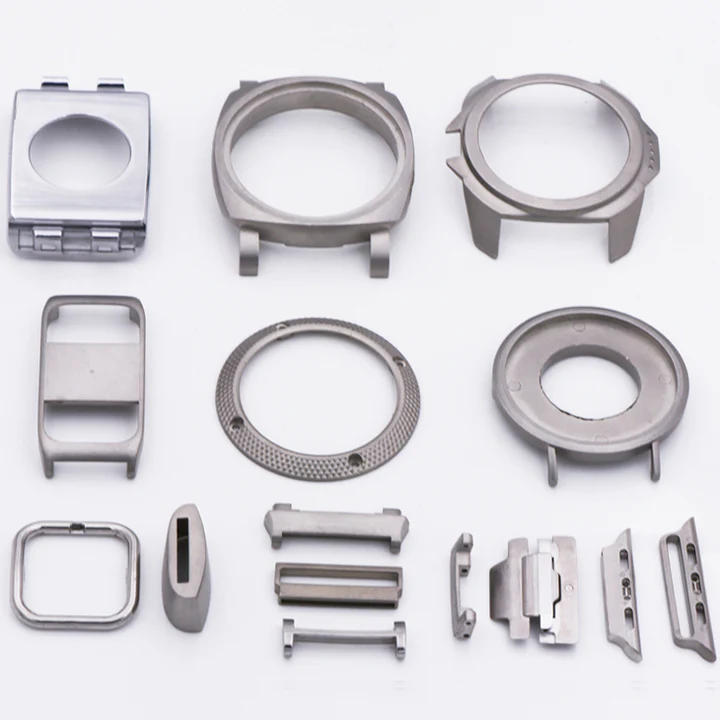
Titanium isn’t gentle. It’s tough, stubborn, hard to melt, and even harder to form without a fight. That’s part of its appeal. Light as a feather, strong as steel, and resistant to rust, rot, and time. But ask any manufacturer—working with titanium isn’t romantic. It’s brutal. That’s where Titanium Metal Injection Molding (Ti-MIM) flips the narrative.
Instead of forcing bars into shape or machining away expensive scrap, MIM Titanyum lets you start small—microscopic powder, precisely blended, injected into molds like plastic, and sintered into parts that defy the old rules of metalworking.
Beyond Machining: Why Titanium MIM Even Exists
Titanium’s great until you have to cut it. Then you lose time, tooling, and tempers. Machining titanium means long cycle times, dull cutters, and waste—both material and money.
Titanium Metal Injection Molding in China bypasses the sawdust phase altogether. It starts with powder. Fine, engineered particles mixed with binder. That mix is injected into molds at low pressure—shaped, cooled, then cooked in a furnace that burns off the binder and fuses the powder into solid metal.
What you get is:
• Complex shapes, near net-shape
• Tight tolerances
• Smooth finishes
• No need for post-machining unless required
It’s the kind of process that thrives where traditional methods choke. Intricate medical components. Aerospace brackets. High-end watch cases. Bone screws. Anywhere the shape is unforgiving and the material can’t compromise.
Strength Isn't Sacrificed—It's Refined
One of the early knocks on MIM was strength. “Good for prototypes,” they said. “Not for structural use.” That might’ve been true once. It isn’t anymore.
Modern Ti-MIM parts can hit over 95% of wrought titanium’s mechanical properties. With the right furnace profile and post-treatment, you’re looking at tensile strength, fatigue resistance, and corrosion tolerance that’s good enough for the OR or the stratosphere.
It’s not a “light-duty” solution. It’s a smart one, especially when geometry starts pushing limits. Try cutting a 3D lattice from a titanium block. Now, try molding it instead. There’s your answer.
Cost Control Without Cutting Corners
Titanium isn’t cheap. Never will be. But shaping it doesn’t have to burn the budget too. Ti-MIM eliminates the pile of expensive titanium chips on the floor. It reduces secondary ops. And it compresses the production timeline once the mold is locked in.
For medium-to-high volume runs—anywhere from a few hundred to tens of thousands—it becomes a cost saver without cutting performance. The per-part savings grow with scale. And the predictability in geometry and material use pays off quickly, especially in regulated sectors like medical or defense.
It’s not for one-offs. But if you’re scaling a precision part, Ti-MIM is the quiet gamechanger in your toolkit.