In an era where customer experience is a key differentiator for businesses, understanding and enhancing customer satisfaction has become essential. One effective way to gain insights into customer sentiment is through transactional surveys, which are conducted immediately after a purchase or interaction. These surveys serve as a critical tool for capturing real-time feedback, allowing businesses to understand customer perceptions and identify areas for improvement. By implementing well-designed transactional surveys, organizations can foster a culture of responsiveness that not only addresses customer concerns promptly but also cultivates loyalty and trust. This article delves into the significance of transactional surveys, best practices for their deployment, and strategies for analyzing feedback to elevate customer satisfaction.

The Significance of Transactional Surveys
Transactional surveys are uniquely positioned to provide insights into customer satisfaction at pivotal moments in the customer journey. By soliciting feedback right after a transaction, businesses can obtain immediate and relevant responses regarding customer experiences. This timely approach helps organizations pinpoint specific areas where they excel and where they may fall short. For example, if multiple customers indicate dissatisfaction with a particular service aspect, such as long wait times, the business can take swift action to improve that area. Furthermore, transactional surveys create a feedback loop that enables companies to continuously monitor their performance and adapt their strategies to meet customer expectations effectively.
Designing Impactful Survey Questions
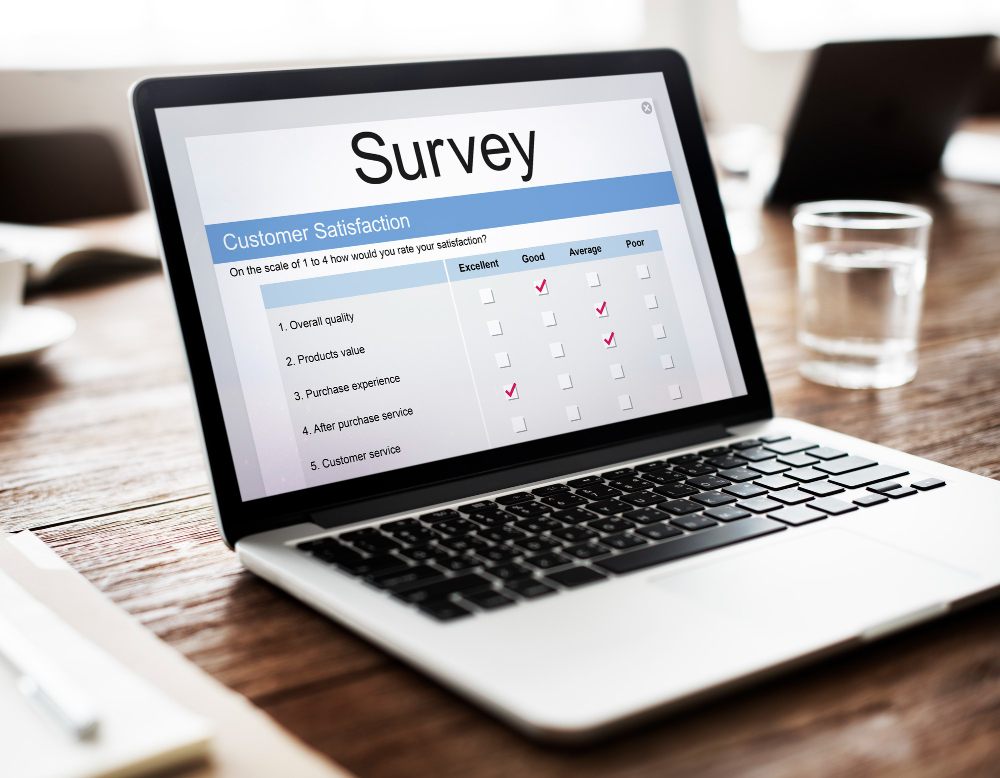
The design of survey questions is crucial to gathering meaningful feedback. To achieve this, questions should be straightforward, focused, and tailored to the customer's experience. A blend of quantitative and qualitative questions can yield a well-rounded understanding of customer sentiment. For instance, using a Likert scale to rate satisfaction allows for quantifiable insights, while open-ended questions encourage customers to elaborate on their experiences. Surveys should be succinct, ideally taking only a few minutes to complete, to encourage higher response rates. A well-structured survey is more likely to elicit honest and thoughtful feedback, providing invaluable data for the business.
Optimal Timing for Feedback Collection
The timing of transactional surveys can significantly impact the quality and quantity of feedback received. It’s vital to send surveys promptly after a transaction, ensuring that the customer’s experience is still fresh in their mind. This immediacy increases the relevance of their responses and enhances the likelihood of participation. Additionally, considering the preferred communication channels of customers—such as email, text, or app notifications—can further improve engagement rates. By strategically timing and delivering surveys through the right channels, businesses can maximize feedback collection and insights. Click on this page to know more about transactional surveys.

Analyzing Data for Actionable Insights
The true value of transactional surveys lies in the analysis of the collected data. Businesses should regularly assess survey responses, categorizing them into key themes, such as product quality, customer support, and delivery speed. This thematic analysis helps organizations identify patterns and recurring issues that may require attention. Implementing data analysis tools can aid in interpreting qualitative feedback, providing a more nuanced understanding of customer sentiments. Once specific pain points are recognized, businesses should prioritize addressing these issues and communicate their actions to customers, reinforcing that their feedback is valued and impactful.
Closing the Feedback Loop
To fully harness the power of transactional surveys, organizations must prioritize closing the feedback loop. This means actively acknowledging and responding to customer feedback. A prompt reply to a customer's concern can significantly enhance their experience, especially if the feedback is constructive. For example, if a customer expresses disappointment with a service, following up with an explanation or a resolution can transform a negative experience into a positive one. Conversely, expressing gratitude for positive feedback helps reinforce customer loyalty. By demonstrating responsiveness and commitment to improvement, businesses can build stronger relationships with their customers.
Commitment to Continuous Improvement
Leveraging transactional surveys is not merely about collecting feedback; it’s about fostering a commitment to continuous improvement. By routinely gathering and analyzing customer insights, organizations can stay attuned to evolving preferences and market dynamics. This proactive stance not only enhances the quality of service but also strengthens customer loyalty. When customers witness their feedback leading to concrete changes, they are more inclined to remain loyal and return for future transactions. Furthermore, satisfied customers are often vocal advocates for the brand, sharing their positive experiences with peers and contributing to organic growth.
Conclusion
In summary, transactional surveys serve as an invaluable resource for enhancing customer satisfaction. By thoughtfully designing survey questions, timing their distribution effectively, analyzing feedback for actionable insights, and closing the feedback loop, organizations can better understand and respond to customer needs. This process not only promotes continuous improvement but also solidifies customer loyalty and advocacy. In a marketplace where customer expectations are constantly shifting, businesses that leverage transactional surveys will be better equipped to thrive and succeed. Embracing customer feedback as a driving force for enhancement will ultimately lead to a more engaged and satisfied customer base.