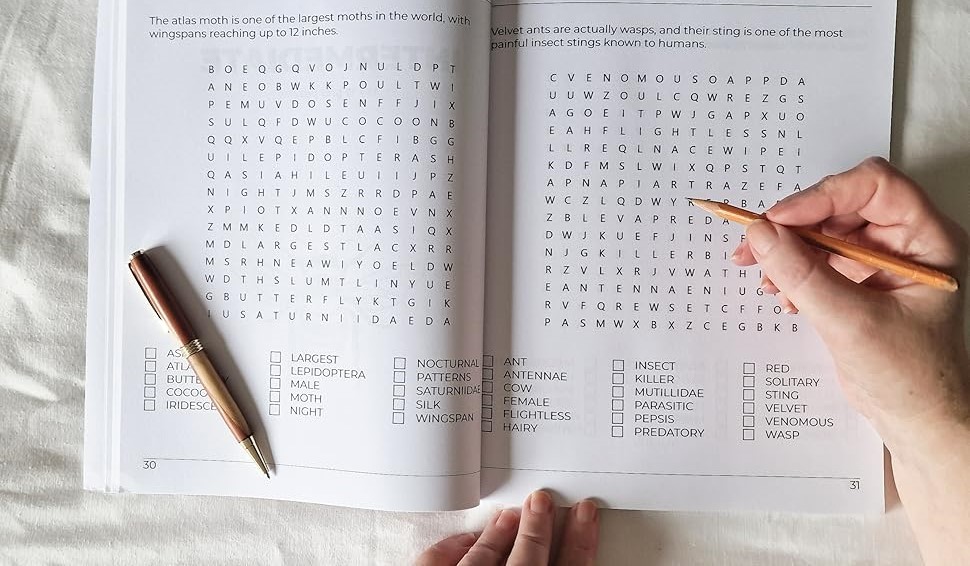
Word search puzzles are a popular pastime enjoyed by people of all ages. They consist of a grid of letters where words are hidden in various directions, and the goal is to find and circle them. Although often seen as a simple recreational activity, word searches provide numerous cognitive benefits, making them an enjoyable and effective way to enhance mental sharpness. Engaging in regular word search puzzles can help boost concentration, expand vocabulary, improve memory, and even promote mental relaxation. In this article, we’ll explore the cognitive advantages of word search puzzles and how they contribute to brain health.
Boosting Concentration and Focus
One of the primary benefits of solving word search puzzles is the improvement of concentration and focus. When working on a puzzle, players need to stay attentive and focused on scanning the grid for words. This practice encourages the brain to maintain a high level of concentration for extended periods. Regular engagement with such puzzles can translate into better focus in other areas of life, such as at work, while studying, or in everyday tasks. The more you challenge your brain to hone its attention on specific tasks, the easier it becomes to stay focused on other important activities.
Expanding Vocabulary
Word searches are not only fun but also serve as a tool for vocabulary expansion. The puzzles often include a variety of words, some of which may be unfamiliar to the solver. When searching for these words, players are exposed to new terms and their meanings. This can help expand language skills, improve reading comprehension, and even spark curiosity to learn more about unfamiliar words. Over time, individuals who engage with word search puzzles may find themselves more confident in their vocabulary usage, whether in writing or in conversation.
Enhancing Memory Retention
Memory retention is another cognitive skill that can be enhanced through word search puzzles. As players search for words within the grid, they are constantly exercising their short-term memory by remembering the locations of previously found words and keeping track of the remaining ones. This continuous mental exercise improves the brain’s ability to retain information and recall it later. Research has shown that activities that require memory engagement, like word searches, can help prevent cognitive decline and reduce the risk of conditions such as dementia in older adults.

Promoting Problem-Solving Skills
Word search puzzles require critical thinking and problem-solving skills. Solvers must look at the grid from various angles, considering different word formations and possible directions where words could be hidden. This process encourages lateral thinking and creative problem-solving strategies. Whether it’s spotting words diagonally or thinking outside the box when searching in a crowded grid, word search puzzles engage the brain’s ability to tackle challenges and come up with solutions. These enhanced problem-solving skills can benefit other areas of life, including work-related tasks and personal decision-making. Click on this page to know more.
Reducing Stress and Promoting Relaxation
While word search puzzles demand attention, they can also be a relaxing and therapeutic activity. Many individuals find that working on a puzzle provides an escape from daily stresses and distractions. The focus required to locate words helps quiet the mind, which can have a calming effect. The repetitive nature of the activity, combined with the satisfaction of finding a word, can trigger the release of dopamine, the “feel-good” neurotransmitter, which in turn promotes a sense of accomplishment and contentment. As a result, word search puzzles can be an excellent way to unwind after a long day or take a mental break from more taxing tasks.
Improving Visual Perception
Another lesser-known benefit of word search puzzles is their impact on visual perception. As solvers search for words within a grid, they train their brains to spot patterns and recognize visual cues more quickly. This sharpens their ability to identify letters, shapes, and other patterns in everyday life. Whether reading, driving, or navigating unfamiliar environments, enhanced visual perception can lead to greater efficiency and accuracy in processing visual information.

Conclusion
Word search puzzles may seem like a simple and enjoyable way to pass the time, but they offer a wide range of cognitive benefits. From improving concentration and memory to expanding vocabulary and promoting mental relaxation, these puzzles are a fun and effective tool for brain health. By regularly engaging in word search puzzles, individuals of all ages can sharpen their cognitive abilities, reduce stress, and keep their minds active. Whether you’re looking for a fun challenge or a relaxing mental break, word search puzzles provide an accessible and rewarding way to exercise your brain.