The Everest region in Nepal is one of the most famous trekking destinations in the world. Among its many routes, the Everest Three Pass Trek stands out as one of the most exciting and challenging. If you are thinking about this adventure, it is important to understand the Everest Three Pass Trek difficulty before you start.
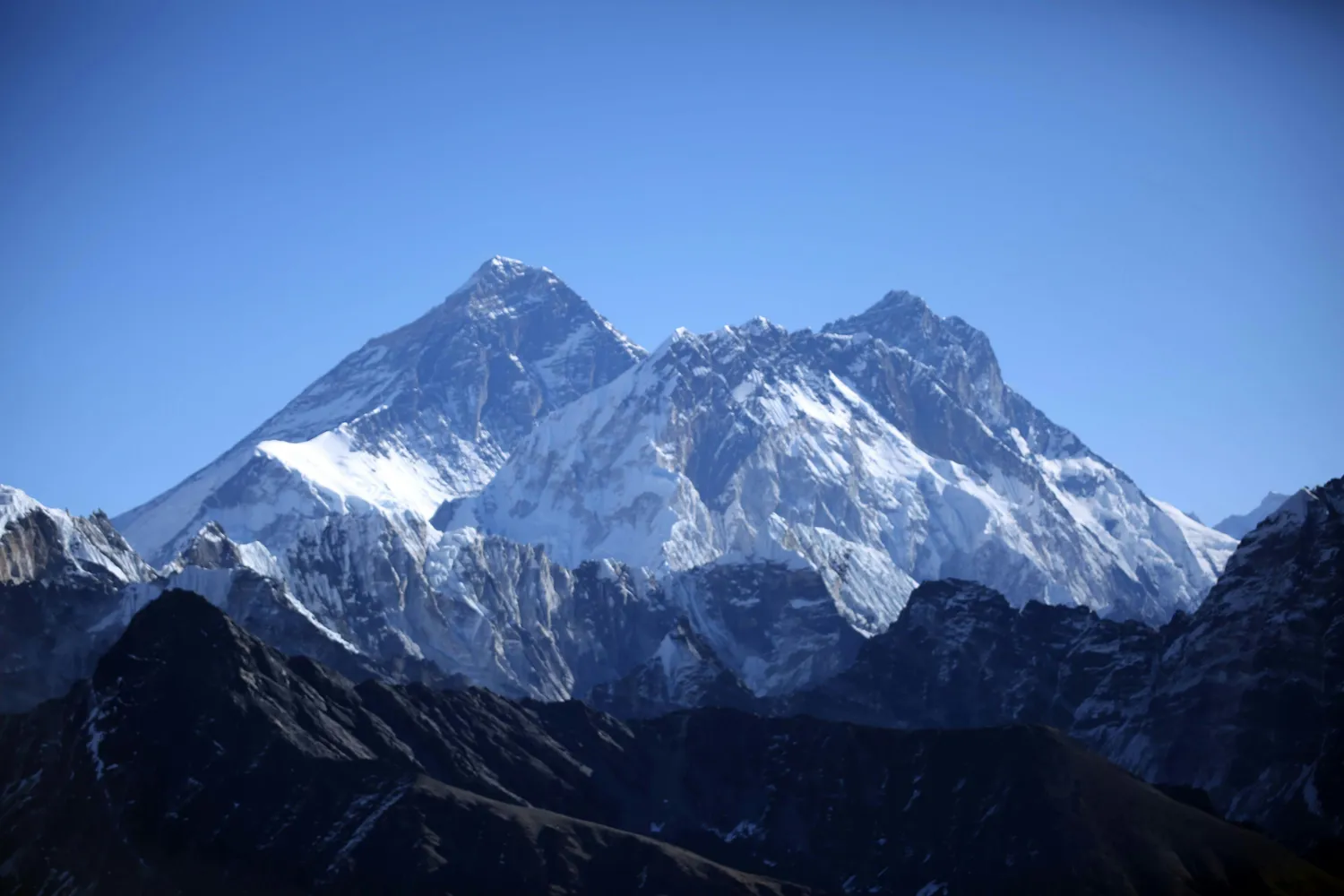
This trek is not just about reaching Everest Base Camp. It takes you over three high mountain passes, through remote villages, and across rugged landscapes. It is beautiful, rewarding, and very demanding. Many trekkers call it the ultimate Himalayan experience.
What is the Everest Three Pass Trek?
The Everest Three Pass Trek is a circular trail that connects the three highest trekking passes in the Everest region. These are Kongma La Pass (5,535 meters), Cho La Pass (5,420 meters), and Renjo La Pass (5,360 meters). The trek also includes popular places like Namche Bazaar, Gokyo Lakes, and Everest Base Camp.
The full trek takes about 17 to 21 days to complete. It offers stunning views of mountains like Everest, Lhotse, and Ama Dablam. It is a great choice for trekkers who want a more remote and complete experience in the Everest region.
How Difficult is the Everest Three Pass Trek?
The Everest Three Pass Trek is considered very difficult. It is much harder than the standard Everest Base Camp trek. The main challenges are the high altitude, long walking days, and steep, rocky trails.
This trek is best for trekkers who have previous experience with high-altitude hiking. It is not recommended for beginners.
High Altitude and Acclimatization
The trek involves walking over three high mountain passes, all above 5,300 meters. At these heights, the air has less oxygen. This can make you feel tired, dizzy, or even sick.
To reduce the risk of altitude sickness, it is important to take your time. Most itineraries include acclimatization days to help your body adjust. Walking slowly, drinking water, and getting enough rest are also very important.
Physical Fitness Required
The trek is physically demanding. On some days, you will walk for 7 to 10 hours. The trails are steep, rocky, and sometimes icy. You will cross glaciers and climb high ridges.
To enjoy the trek and stay safe, you should train in advance. Hiking, running, and strength training can help build your stamina and leg strength. A fit body will make the journey easier and more enjoyable.
Weather and Trail Conditions
Weather in the Everest region can be unpredictable. Snow, wind, and rain can make the trail more difficult. The best seasons for this trek are spring (March to May) and autumn (September to November). These months offer more stable weather and better trail conditions.
Even in good weather, the trails are not easy. The passes are often covered with snow or ice. Having the right gear and an experienced guide is very helpful.
Remote Areas and Limited Facilities
The trek takes you through some of the most remote parts of the Everest region. In many places, there are only basic tea houses. Food options are simple, and hot showers may not be available every day.
You need to be prepared for these conditions. Carry some snacks, warm clothing, and a positive attitude.
Mental Strength and Patience
This trek is not only about physical effort. You also need mental strength. There will be tough days, cold nights, and moments of doubt. But if you stay focused and motivated, the rewards are amazing.
Final Thoughts
The Everest Three Pass Trek is one of the toughest and most beautiful treks in Nepal. The difficulty is real, but the experience is unforgettable. You will see some of the best views in the Himalayas and explore places few trekkers reach.
If you are fit, prepared, and ready for a real adventure, this trek can be the journey of a lifetime.