The Everest Three Pass Trek is considered one of the most thrilling and comprehensive trekking experiences in Nepal’s Himalayas. It not only leads you to Everest Base Camp but also takes you through three challenging high-altitude mountain passes that reveal the raw and majestic beauty of the Khumbu region. Trekkers often wonder, “What is the three pass in Everest?” The answer includes three major passes — Kongma La (5,535m), Cho La (5,420m), and Renjo La (5,360m) — that together form a rugged circuit around the Everest region.
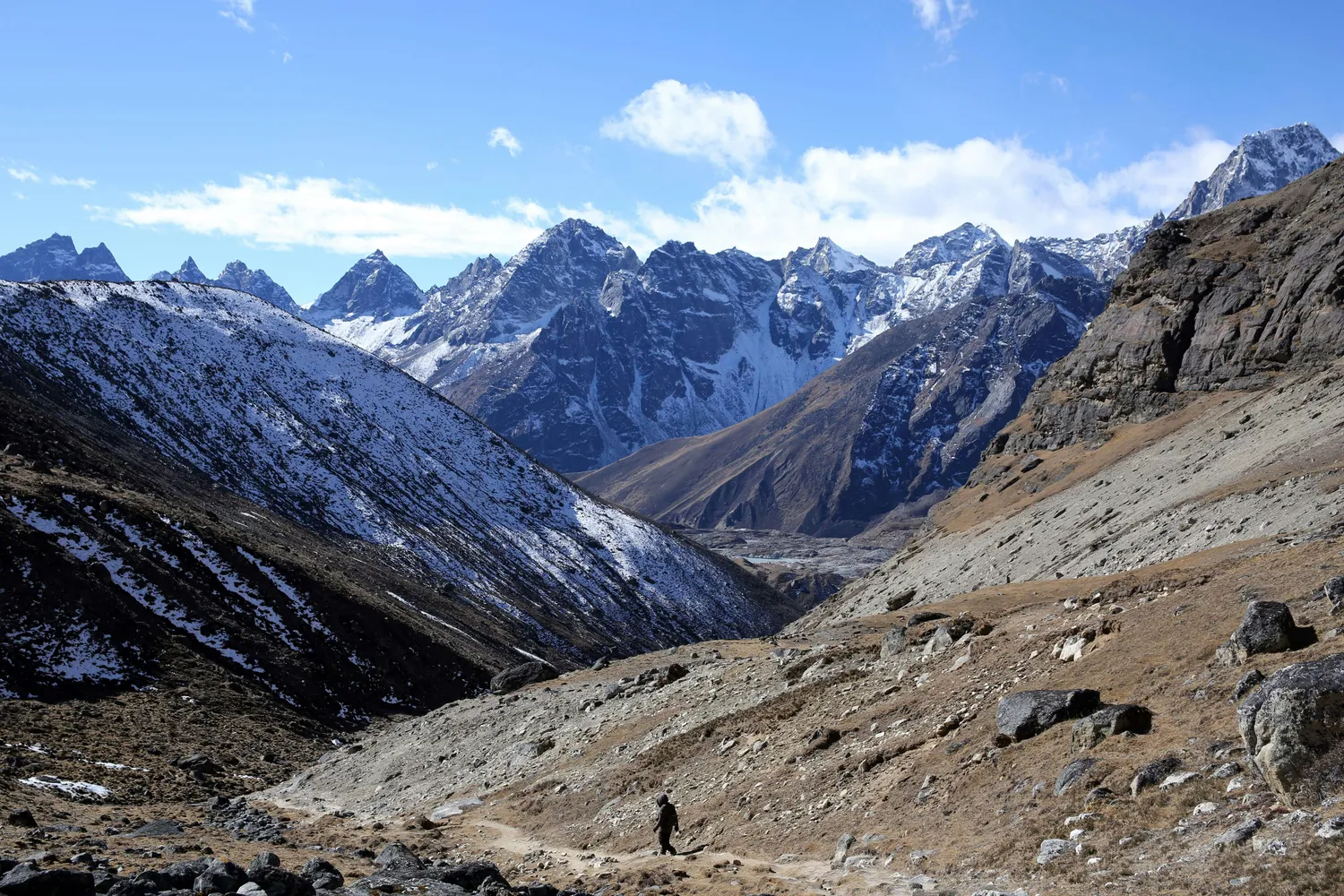
A Circular Route Beyond the Ordinary
Unlike the standard Everest Base Camp trek, the Three Pass Trek forms a loop, making it a more rewarding and less crowded experience. Starting from Lukla, the trail moves through Namche Bazaar, then branches off toward the three passes in either a clockwise or counterclockwise direction. This trek blends iconic highlights such as Everest Base Camp and Gokyo Lakes with off-the-beaten-path exploration of high Himalayan passes, remote valleys, and traditional Sherpa villages.
The Three Major Passes Explained
1. Kongma La Pass (5,535 meters)
Kongma La is the highest and most challenging of the three passes. Located between Chhukhung and Lobuche, the route is steep and often covered with snow. It provides stunning views of Makalu, Lhotse, and Ama Dablam, rewarding your efforts with unforgettable scenery.
2. Cho La Pass (5,420 meters)
Cho La connects the Everest Base Camp trail to the Gokyo Valley. The path involves a glacier crossing and steep ascents, so it requires extra caution. The pass offers close-up views of dramatic peaks and ice formations.
3. Renjo La Pass (5,360 meters)
Renjo La is considered the most scenic of the three. Linking Gokyo with Thame, this pass provides a panoramic view of Everest, Cho Oyu, and Gokyo Lakes. Though the ascent is long, the vistas from the top are some of the best in the entire trek.
Trekking Highlights
- Everest Base Camp (5,364m) – A must-visit site for all Everest trekkers
- Kala Patthar (5,545m) – A viewpoint known for its jaw-dropping sunrise over Mount Everest
- Gokyo Lakes – A chain of serene, turquoise lakes surrounded by snow-capped peaks
- Ngozumpa Glacier – The longest glacier in Nepal
- Sherpa Culture – Traditional villages, monasteries, and warm local hospitality
Trek Difficulty and Preparation
The Everest Three Pass Trek is rated strenuous. Each pass involves high altitude, steep terrain, and long hiking days. Prior trekking experience, excellent physical fitness, and mental resilience are necessary. Altitude sickness is a real concern, so proper acclimatization and a flexible itinerary are essential.
Most trekkers complete the circuit in 18 to 21 days, depending on rest days and side trips. It is highly recommended to trek with an experienced guide and porter, especially during early spring or late autumn when snow can obscure the trails.
Best Time to Go
The best seasons for the Everest Three Pass Trek are:
- Spring (March–May) – Warmer weather and blooming rhododendrons
- Autumn (September–November) – Clear skies, great visibility, and stable conditions
Winter and monsoon seasons are generally avoided due to snow and rain, which make the passes more dangerous.
Conclusion
The Everest Three Pass Trek is more than just a physical journey—it’s a complete immersion into the breathtaking Himalayan landscape and the rich Sherpa culture. If you’ve ever asked yourself, “What is the three pass in Everest?”, now you know: Kongma La, Cho La, and Renjo La, each offering its own challenge and beauty. For trekkers seeking a truly rewarding adventure, this route delivers an unforgettable experience from start to finish.