Climbing Island Peak was one of the most exciting and rewarding adventures of my life. As someone who has spent years trekking and climbing in the Himalayas, I had often wondered what the real Island Peak climbing difficulty was like. Now that I’ve completed the climb, I want to share my personal experience in a simple and honest way. If you're dreaming of standing on a Himalayan summit, this article will help you understand what to expect from Island Peak.
What Is Island Peak?
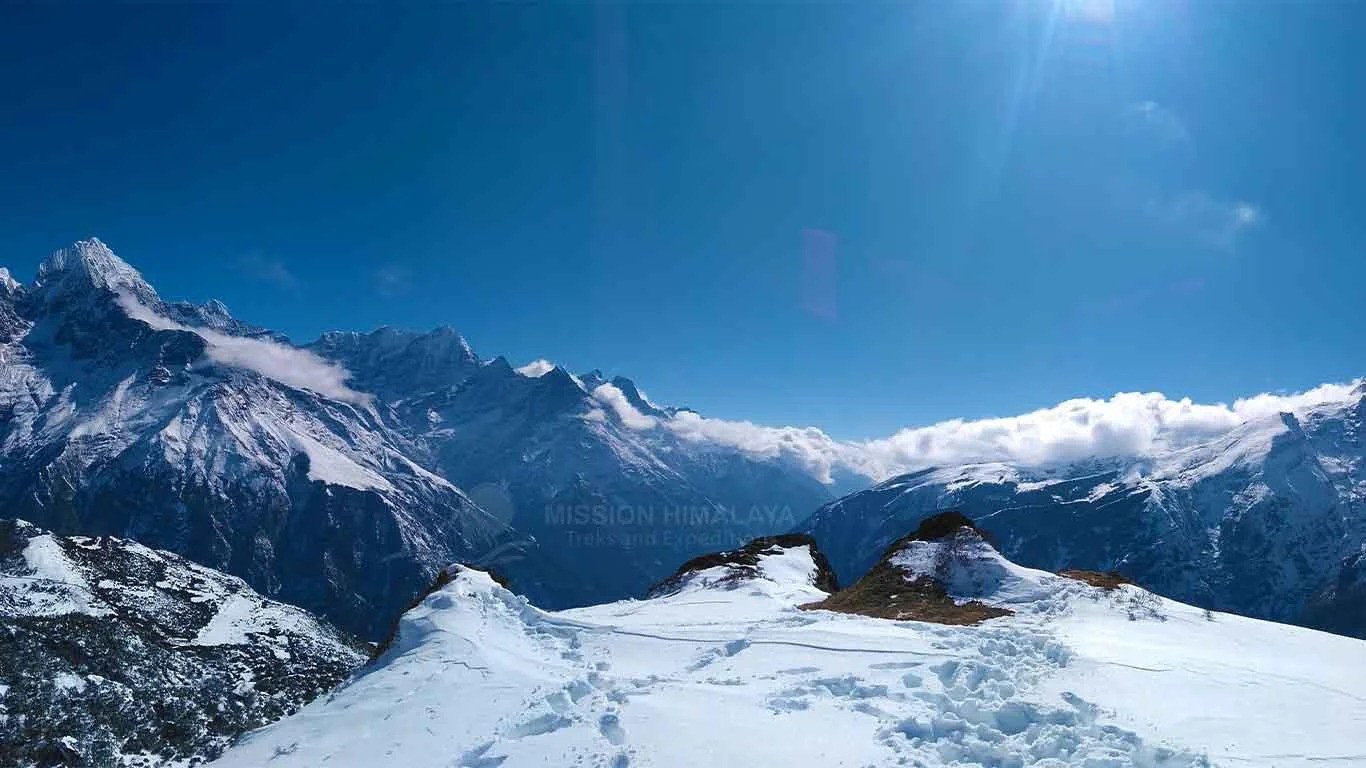
Island Peak, also known as Imja Tse, is a 6,189-meter peak in the Everest region of Nepal. It stands tall between glaciers and snowy ridges, looking like an island of ice from afar. That’s how it got its name. It is one of the most popular trekking peaks in Nepal and a favorite for climbers looking for their first Himalayan summit.
We chose Island Peak because it offers a perfect mix of trekking and mountaineering. The trail takes you through beautiful Sherpa villages, high passes, and glacier valleys before the final climb.
How Difficult Is Island Peak?
Island Peak is not an easy trek, but it’s not extremely technical either. I would describe it as moderate to hard, depending on your experience and physical condition. We were a small group of trekkers, some with previous high-altitude experience and some doing their first climb. Everyone found it challenging in different ways.
The main challenges come from three things:
- High altitude
- Physical effort
- Basic climbing techniques
Let me explain each part clearly.
Dealing with High Altitude
The biggest difficulty for most people is the altitude. The higher you go, the harder it gets to breathe and walk. We followed the classic route through Namche, Tengboche, Dingboche, and Chhukung, which helped us acclimatize. Even then, above 5,000 meters, every step feels slow.
On summit day, we started before sunrise. It was freezing cold, and the air was thin. We took slow steps, drank water often, and listened to our guides. A few of us had light headaches, but no one got seriously sick because we had prepared well.
Physical Challenge of the Climb
Island Peak requires strong legs and good stamina. We trained with long hikes, uphill walks, and cardio before the trip. That made a big difference. The climb itself takes 10 to 14 hours on summit day, depending on your pace.
There are steep sections on the final push to the top. We had to walk on rocky paths, cross a glacier, and climb a snow slope using fixed ropes. It was tiring but not impossible. You don’t need to be a professional athlete, but you do need to be fit and motivated.
Technical Skills Needed
Island Peak includes some technical parts, but they are simple and safe if you follow instructions. We had one day of training at base camp. We learned how to use crampons, ropes, harnesses, and ascenders. These tools were new for some of us, but our guides showed us how to use them step by step.
The final section has a steep ice wall, about 100 meters high. We climbed it with the help of fixed ropes and a jumar (rope-climbing device). It looked scary at first, but we managed it one by one, slowly and carefully.
Tips From My Climb
Here are a few tips that helped us succeed:
- Take enough time to acclimatize on the way
- Train before the trip with hiking and cardio
- Follow your guide’s advice and don’t rush
- Stay positive and support your team
Final Thoughts
Climbing Island Peak was a dream come true. It tested our strength, courage, and patience. The views from the summit were beyond words. If you are wondering about Island Peak climbing difficulty, I would say it’s a serious adventure, but completely doable with the right mindset and preparation. We did it, and so can you.