Island Peak climbing altitude is a major factor to consider when preparing for this popular Himalayan adventure. Standing at 6,189 meters (20,305 feet), Island Peak—also known as Imja Tse—is one of Nepal’s most famous trekking peaks. Although it’s considered a non-technical climb suitable for beginner mountaineers, the high altitude adds a significant level of difficulty that should not be underestimated.
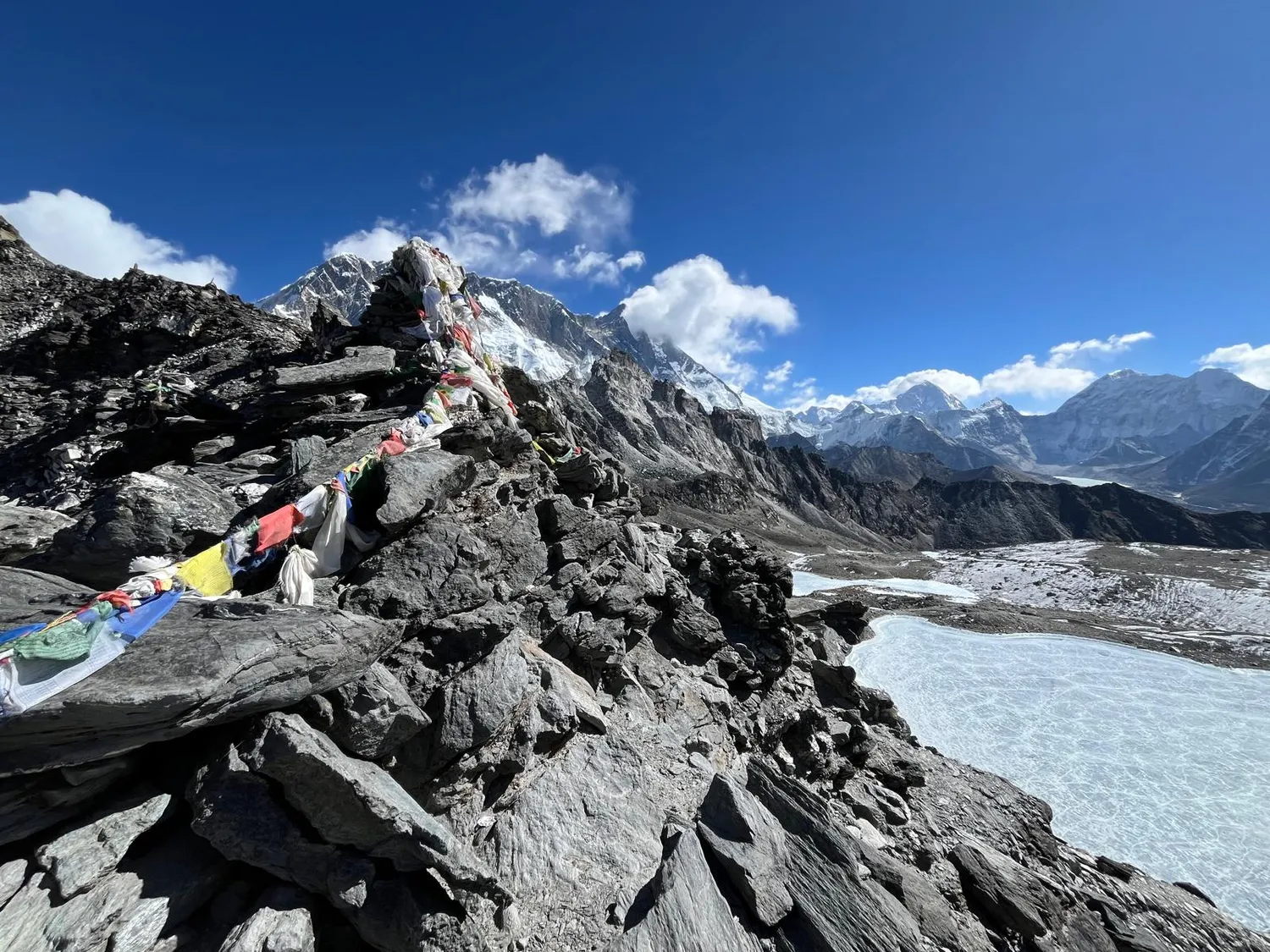
The True Height of Island Peak
Island Peak’s summit sits at an impressive 6,189 meters. At this elevation, the oxygen level is about half of what it is at sea level, making physical effort more strenuous. Climbing at this height requires stamina, strong lungs, and good acclimatization. Even though the technical difficulty is manageable for most trekkers with basic climbing skills, the altitude is what makes Island Peak a true challenge.
Route and Altitude Gain
The journey to Island Peak typically begins with a flight to Lukla (2,860m), followed by a trek through famous locations such as Namche Bazaar (3,440m), Tengboche (3,867m), Dingboche (4,410m), and Chhukung (4,730m). From Chhukung, climbers continue to Island Peak Base Camp (around 5,100m), with some choosing to set up a High Camp at approximately 5,500 meters for better summit-day positioning.
This gradual ascent helps trekkers acclimatize while building the strength needed to tackle the final climb to the summit. Still, the high altitude requires careful planning and pacing throughout the journey.
Importance of Acclimatization
One of the most important aspects of dealing with Island Peak climbing altitude is proper acclimatization. Climbing too quickly without giving the body time to adjust to thinner air can lead to altitude sickness. Common symptoms include headaches, nausea, dizziness, and shortness of breath.
To minimize these risks, most itineraries include rest days and slow, steady ascents. Staying hydrated, eating well, and avoiding alcohol are also key strategies for a successful acclimatization process.
Challenges of Summit Day
Summit day on Island Peak is both exciting and physically demanding. Climbers typically start the ascent before dawn to take advantage of stable weather and hard snow conditions. The route includes rocky terrain, snowy ridges, and glacier travel. The final push involves a steep ice wall and fixed rope sections that require basic mountaineering techniques and equipment like crampons, harnesses, and ice axes.
At over 6,000 meters, even simple movements can feel exhausting. The combination of physical strain and reduced oxygen levels makes the summit climb a serious endurance test.
How to Prepare for High Altitude
Physical training before the climb should include cardio exercises, strength training, and endurance workouts. More importantly, spending time trekking at high altitudes—such as during the approach to Island Peak—is essential for adjusting to the thin air.
Mental preparation is also important. The altitude can affect energy levels and mood, so staying positive and focused helps climbers push through the toughest parts of the climb.
Conclusion
In any Island Peak expedition, Island Peak climbing altitude plays a crucial role in shaping the experience. While the peak is accessible for many with proper fitness and basic mountaineering knowledge, the high elevation makes it a serious challenge. With good acclimatization, physical preparation, and the right mindset, climbers can safely reach the summit and enjoy the spectacular views from one of Nepal’s most iconic peaks.