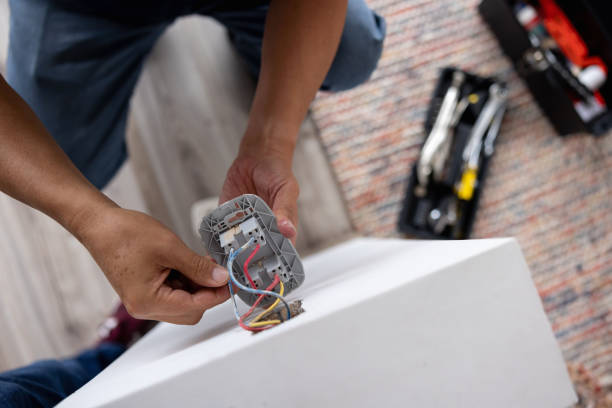
Electrical systems are essential in every home and business, powering everything from lighting to appliances to industrial machinery. Over time, these systems can deteriorate due to regular use, age, or poor installation, leading to safety risks and inefficiencies. Electrical inspections are crucial to maintaining a safe, reliable, and efficient electrical system. This article will explain why regular electrical inspections are necessary, how they can benefit homeowners and businesses, and the key elements of an inspection.
Why Electrical Inspections Matter
Electrical systems play a pivotal role in the functioning of modern homes and businesses. However, when neglected, they can pose significant hazards, such as electrical fires, shocks, and equipment failure. Electrical inspections are designed to identify potential problems before they lead to serious accidents. Here’s why regular inspections are essential:
Detecting Safety Hazards
The primary reason for an electrical inspection is safety. Faulty wiring, outdated equipment, or overloaded circuits are common causes of electrical fires, which can lead to significant property damage or even injury. For example, malfunctioning circuit breakers, loose wires, or exposed electrical parts can create fire hazards. An inspection helps identify these dangers early, allowing for timely repairs to prevent disasters.
Additionally, improper electrical grounding or overloaded outlets can result in electrical shocks. These safety issues may not always be immediately apparent but can be detected during an inspection by a licensed electrician.
Ensuring Compliance with Building Codes
Electrical codes exist to ensure that systems are installed safely and in line with local regulations. These codes are often updated to reflect new safety standards and technology. When you schedule an electrical inspection, the electrician will verify that your system is compliant with the latest codes and regulations.
For homeowners, this is especially important when buying or selling a property. An electrical inspection can confirm whether the system meets code requirements, ensuring a smooth transaction. For business owners, compliance with codes helps avoid fines, improve safety, and reduce the risk of legal issues.
Prolonging the Lifespan of Electrical Systems
Regular inspections help extend the lifespan of your electrical system. Electrical components wear out over time, and neglected systems can suffer from inefficient operation, which can lead to system failures. A small problem detected early, such as a loose connection, can be repaired quickly, preventing further damage. This proactive approach helps prevent larger, more costly problems from arising down the line. For example, replacing a damaged outlet or upgrading a circuit breaker can prevent damage to other parts of the system and save you from more expensive repairs later.
Improving Energy Efficiency
Electrical systems can become inefficient as they age, leading to higher energy consumption and increased utility bills. Outdated wiring, faulty outlets, or inefficient appliances draw more power than necessary. An inspection allows the electrician to identify these inefficiencies and suggest improvements. Upgrading lighting to LED bulbs, replacing outdated appliances with energy-efficient models, or optimizing the electrical panel to handle modern energy loads can significantly reduce your energy consumption and lower your costs.
What to Expect During an Electrical Inspection
Electrical inspections typically follow a structured process that includes a visual check and a series of tests to ensure that your system is functioning properly. Here’s what you can expect during an inspection:
Visual Inspection
The first part of the inspection is a visual check of the electrical system. This includes examining electrical panels, wiring, outlets, switches, and circuit breakers for any visible signs of damage, wear, or overheating. The electrician will look for issues like frayed wires, scorch marks, exposed connections, and loose fixtures. A quick visual assessment can help identify the most obvious hazards that need immediate attention.
Testing the Electrical System
In addition to the visual inspection, the electrician will test the electrical system to ensure that all components are functioning correctly. This includes checking for proper grounding, testing circuit breakers for proper function, and ensuring that outlets are delivering the right amount of voltage. The electrician will also check for signs of overloading, which could be an indicator that the electrical panel needs upgrading or adjustments.
Code Compliance Check
The electrician will review the system against local and national electrical codes. This ensures that all installations are safe and meet regulatory requirements. If the system does not meet code, the electrician will provide recommendations for updates or improvements.
Recommendations for Upgrades
If the inspection uncovers inefficiencies or outdated components, the electrician may recommend upgrades to help improve the overall system. This could involve upgrading your electrical panel, replacing outdated outlets or switches, or installing energy-efficient lighting.
When Should You Schedule an Electrical Inspection?
Scheduling an electrical inspection is essential for maintaining the safety and efficiency of your system. Here are some situations when you should consider an inspection:
- When buying or selling a property: An electrical inspection ensures the system meets code and is safe for use, which is crucial during a real estate transaction.
- After major renovations or upgrades: Any new electrical work, such as installing a new appliance or rewiring, should be inspected to ensure it’s done correctly and safely.
- Every 3 to 5 years: Even if no issues are apparent, periodic inspections can detect hidden problems and prevent future risks.
- After natural disasters or severe weather: Storms, flooding, or other extreme weather events can damage electrical systems, so an inspection is crucial to ensure everything is intact and functioning.
Conclusion
Electrical inspections are vital for ensuring the safety, efficiency, and compliance of your electrical system. Regular inspections can detect potential hazards, prevent costly repairs, and improve energy efficiency. Whether you're a homeowner, business owner, or property manager, investing in regular electrical inspections will help protect your property and ensure your electrical system continues to function reliably. Don’t wait until there’s an emergency—schedule an inspection today to safeguard your property and loved ones.