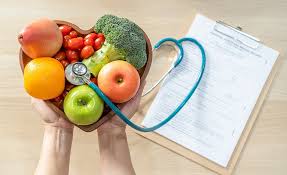
Imagine being discharged from the hospital after a serious illness — only to go home and eat the same foods that may have worsened your condition in the first place. For millions of patients, this is not just a possibility. It is the reality.
For decades, hospital meal planning has followed a simple, one-size-fits-all model. A diabetic patient and a heart disease patient might receive nearly the same tray. A cancer patient recovering from chemotherapy might get food that does nothing to support their healing. The system was built around convenience and cost — not around care.
But that is slowly changing. The concept of medically tailored meals is gaining serious attention in the healthcare world. Rooted in the idea of food as medicine, this approach treats nutrition not as an afterthought but as an active part of patient treatment. And the results, so far, are hard to ignore.
This blog explores how we got here, what medically tailored meals actually mean, and why health-specific meal plans may be one of the most important tools in modern patient care.
What's Wrong With the Way We Feed Patients Today?
A Look Inside Standard Hospital Meal Planning
Walk into most hospitals today and the food system looks much the same as it did thirty years ago. Meals are prepared in bulk, distributed across wards, and designed to meet basic nutritional guidelines — not individual patient needs.
The problem is not that hospitals serve bad food. The problem is that standard hospital meal planning was never built to support healing. It was built to feed large numbers of people efficiently. For a patient managing a chronic condition, that difference matters enormously.
When Generic Meals Slow Down Recovery
Research has consistently shown that poor nutrition during hospitalization is linked to longer recovery times, higher rates of complications, and increased chances of readmission. Patients who do not receive the right nutrients for their specific condition are more likely to leave the hospital weaker than when they arrived.
For patients with diet-related chronic illness — such as type 2 diabetes, heart disease, or kidney failure — eating the wrong foods during recovery is not just unhelpful. It can actively set back the healing process. Yet most standard hospital trays pay little attention to these distinctions.
The Role of Food Insecurity and Health in Patient Outcomes
The situation becomes even more complicated when patients go home. A significant portion of patients — particularly those from low-income backgrounds — face food insecurity and health challenges that make it nearly impossible to follow any dietary guidance after discharge. Without access to the right foods, even the best medical treatment can lose its effectiveness.
What Exactly Are Medically Tailored Meals — And Who Are They For?
Defining Medically Tailored Meal Programs
Medically tailored meals are meals specifically designed by healthcare professionals to meet the dietary needs of patients with serious or chronic illnesses. Unlike standard meal delivery services or general healthy eating plans, these are not just "nutritious meals." They are therapeutic food programs built around a specific diagnosis.
A patient with congestive heart failure needs a low-sodium, fluid-controlled diet. A patient undergoing cancer treatment may need high-calorie, easy-to-digest meals. A diabetic patient needs carbohydrate-controlled food that does not spike blood sugar. Health-specific meal plans account for all of these differences — and that is precisely what makes them different from anything that has come before.
How Dietitian-Approved Meals Are Designed
The design process behind dietitian-approved meals is more detailed than most people realize. It begins with a medical assessment. A registered dietitian reviews the patient's diagnosis, medications, lab results, and personal food preferences. From there, a personalized meal plan is created — one that aligns with the patient's treatment goals.
These meals are not just about what to include. They are equally about what to leave out. For a kidney disease patient, that means limiting phosphorus and potassium. For a patient with severe food allergies, it means ensuring every ingredient is carefully screened. The level of clinical attention behind each plate is what separates medically tailored meal programs from anything a patient could put together on their own.
Disease-Specific Diets: One Patient, One Plan
One of the most important aspects of medically tailored meals for chronic disease patients is the recognition that no two conditions are the same — and neither are two patients. Disease-specific diets are built around this understanding.
A person living with HIV needs meals that support immune function and prevent weight loss. A patient recovering from a stroke may need soft, easy-to-swallow foods. A patient managing both diabetes and kidney disease needs a plan that balances the dietary restrictions of both conditions simultaneously. Health-specific meal plans make this level of personalization possible in a way that standard care simply cannot.
Healing Doesn't Stop at Discharge — Neither Should Nutrition
The Gap Between Hospital Discharge and Home Recovery
One of the least-discussed problems in patient care is what happens in the days and weeks after a patient leaves the hospital. Doctors provide instructions. Pharmacists fill prescriptions. But who makes sure the patient is eating correctly at home?
For most patients, the answer is no one. Post-hospital recovery food is largely left to chance. Patients return home to whatever food is available — which may bear no resemblance to what their body needs. This gap in nutritional care management is a significant driver of hospital readmissions.
Home-Delivered Medical Meals: Bridging the Gap
This is where home-delivered medical meals come in. Several organizations across the United States now offer medically tailored meal delivery programs that bring clinician-designed, condition-specific meals directly to a patient's door. These programs are especially valuable for elderly patients, those with mobility challenges, and individuals who lack the knowledge or resources to prepare appropriate meals on their own.
Programs like God's Love We Deliver and Community Servings have demonstrated that consistent access to health-specific meal plans significantly reduces emergency room visits and improves quality of life for patients managing serious illnesses. These are not small improvements. They represent a meaningful shift in how post-hospital care is delivered.
The Role of Clinical Nutrition Support in Long-Term Recovery
For patients with long-term or progressive conditions, clinical nutrition support is not a one-time intervention. It is an ongoing part of their care. Regular check-ins with dietitians, adjustments to meal plans as conditions change, and coordination between nutrition providers and medical teams all contribute to better outcomes.
When medically supportive nutrition is treated as part of the clinical care model — rather than a separate or optional service — patient dietary needs are met consistently, and the likelihood of complications decreases. This is the vision behind the best medically tailored meal programs operating today.
What Does the Research Actually Say About Food as Medicine?
Key Studies on Nutrition Intervention and Patient Outcomes
The evidence supporting medically tailored meals is growing. A landmark study published in the Journal of Primary Care and Community Health found that patients enrolled in medically tailored meal programs had significantly fewer hospitalizations and lower healthcare costs compared to those who were not enrolled. A separate analysis of Medicaid data showed that medically tailored meal recipients had fewer inpatient admissions and shorter hospital stays.
These findings point to a clear conclusion: nutrition intervention, when properly designed and consistently delivered, has a measurable impact on patient outcomes. The concept of food as medicine is no longer just a wellness slogan. It is becoming a clinical reality backed by data.
How Medically Tailored Meals Reduce Healthcare Costs
Beyond individual health outcomes, therapeutic food programs offer a compelling financial case for the broader healthcare system. The cost of delivering medically tailored meals to a patient is a fraction of the cost of a single hospital readmission. When personalized nutrition care prevents even one readmission, the program has already paid for itself many times over.
Health-specific meal plans also reduce the burden on emergency departments, lower pharmacy costs by improving medication effectiveness, and decrease the need for intensive clinical interventions. From an insurance and policy perspective, the math increasingly favors investment in medically tailored meal programs.
Limitations and Gaps in Current Research
It is worth noting that the research, while promising, is still developing. Most studies to date have been relatively small or focused on specific populations. Larger, randomized controlled trials are needed to establish universal standards for medically tailored meal programs. There is also limited research on how these programs perform across different disease categories and demographic groups.
This does not diminish the existing evidence. It simply means that the field is still maturing — and that there is significant room for further study.
Why Aren't Medically Tailored Meals Available to Everyone Yet?
Access and Affordability Challenges
Despite the growing evidence, medically tailored meal programs remain out of reach for most patients. Access is uneven — concentrated in urban areas, limited in rural communities, and largely unavailable in many parts of the country. The organizations that offer these programs often operate on thin margins, relying on grants, donations, and limited insurance reimbursements.
For patients without insurance coverage or financial resources, health-specific meal plans are simply not an option. This gap is particularly troubling given that the patients most likely to benefit from medically tailored meals are often those least able to afford or access them.
Policy, Insurance, and Healthcare System Gaps
Insurance coverage for food prescriptions and medically tailored meal delivery programs is limited. Medicare and Medicaid do not currently cover these services in a comprehensive or standardized way, though some pilot programs and managed care plans have begun to incorporate them.
Legislative efforts are underway to change this. The Food is Medicine Act and similar proposals aim to expand coverage for medically tailored meal programs under federal health programs. Whether these efforts will gain traction remains to be seen, but the conversation is gaining momentum at the policy level.
The Future of Patient Nutrition Care
Looking ahead, the future of patient nutrition care is likely to be shaped by technology, data, and a growing recognition that food is a clinical tool. Artificial intelligence is beginning to play a role in designing health-specific meal plans — analyzing a patient's health data, dietary history, and treatment plan to generate highly personalized nutrition recommendations.
As the evidence base grows and policy barriers begin to fall, medically tailored meal programs are likely to become a standard component of care for patients with chronic and serious illness.
The Plate Is the New Prescription — Are We Ready to Embrace It?
The journey from hospital trays to healing plates is not just about food. It is about how we define care. For too long, nutrition has sat at the margins of the healthcare system — acknowledged in theory but underfunded and overlooked in practice.
Medically tailored meals represent a shift in that thinking. They recognize that what a patient eats is not separate from their treatment plan — it is part of it. Health-specific meal plans, when properly designed and consistently delivered, can improve recovery, reduce hospitalizations, and give patients a meaningful tool for managing their own health.
There are still barriers to overcome. Access is limited. Coverage is inconsistent. Research is still growing. But the direction is clear. Food as medicine is no longer a fringe idea. It is the next frontier in patient care.