Modern healthcare environments depend on specialized equipment to support safe clinical procedures, medical gas distribution, and laboratory operations. Hospitals, surgical centers, and research facilities must select products that meet their technical requirements and intended applications. From WAGD HOSES and MEDICAL AIR HOSES to cryogenic storage equipment, every component deserves careful evaluation. Understanding product specifications and professional installation requirements helps organizations make informed decisions.
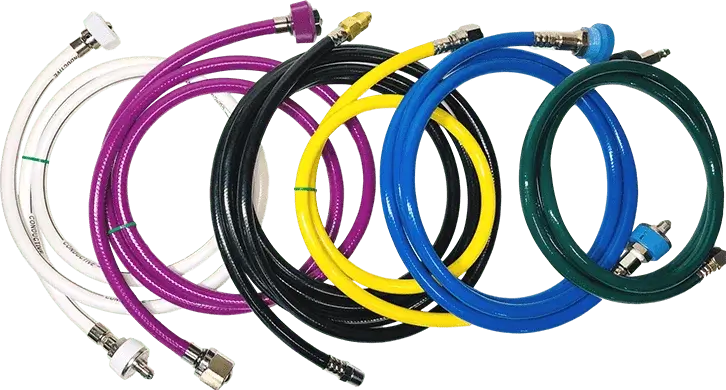
Medical Gas Hoses and Their Applications
Medical gas systems use specialized components to transport or remove gases through designated equipment. Selecting suitable medical hoses involves checking material compatibility, connection types, operating specifications, and manufacturer recommendations. Healthcare facilities should confirm that every hose is designed for its particular application before purchasing or installing it.
WAGD HOSES are used in waste anesthetic gas disposal applications. They help connect designated equipment to systems intended to remove waste anesthetic gases from clinical environments. Proper product selection supports compatible connections and the intended function of the disposal system. Facilities should follow applicable technical requirements and manufacturer instructions when handling these components.
MEDICAL AIR HOSES are intended for medical air applications in healthcare settings. Buyers should review the product specifications, connection requirements, and equipment compatibility before making a selection. Routine inspections can help identify visible damage, worn fittings, and other conditions that may require professional evaluation.
Medical gas components should never be selected solely on the basis of appearance or general dimensions. Different applications have specific requirements, so consulting qualified technical personnel and reviewing product documentation are important steps in the purchasing process.
Understanding ASSE 6010 Qualifications
Medical gas installation is specialized work that requires appropriate knowledge, training, and practical experience. The asse 6010 qualification is associated with medical gas system installation. Healthcare organizations should consider relevant qualifications when selecting professionals for construction, renovation, and installation projects.
Appropriate medical gas certifications help demonstrate that individuals have completed specified training and qualification requirements. Facility managers should verify credentials and confirm that contractors are qualified for the responsibilities involved. Installation work should also follow applicable standards, regulations, and project specifications.
A professional medical gas installer understands the importance of correct components, secure connections, installation procedures, testing, and documentation. Medical gas systems require accuracy because improper installation can affect equipment reliability and patient safety.
Professionals using a medical gas installers kit should also understand the purpose and correct use of specialized tools. Technical competence and suitable equipment help installers complete their work according to established procedures.
Selecting an ASSE 6010 Install Kit
Specialized tools are essential for many medical gas installation activities. An ASSE 6010 Install Kit may include equipment intended for specific tasks within this field. Before purchasing, professionals should review the contents, product specifications, manufacturer details, and compatibility with their project requirements.
A suitable installation kit can help technicians organize their tools and prepare for assigned work. However, equipment alone does not replace professional training or certification. Medical gas installation and testing should be completed by appropriately qualified individuals who understand the relevant procedures.
Healthcare facilities planning new installations should coordinate with qualified contractors to identify necessary supplies. Confirming equipment requirements in advance can help reduce purchasing errors and improve project preparation.
Liquid Nitrogen Storage for Healthcare and Research
Laboratories, hospitals, and research organizations frequently require specialized equipment for preserving temperature-sensitive materials. liquid nitrogen storage containers are designed for cryogenic applications involving extremely low temperatures.
When selecting storage containers, organizations should consider capacity, insulation performance, handling arrangements, and manufacturer guidance. The selected product should match the facility's storage requirements and the materials being preserved.
Safe ln2 storage requires appropriate precautions. Liquid nitrogen can cause severe cold injuries through direct contact, while evaporating nitrogen can displace oxygen in enclosed spaces. Suitable ventilation, protective equipment, employee training, and established handling procedures are essential.
Staff should receive instructions on inspecting, transporting, filling, and monitoring storage containers. Facilities should also follow manufacturer recommendations for maintenance and storage practices. These measures help reduce preventable hazards and support responsible cryogenic material management.
Specialized Cryogenic Equipment and Brymill
Certain medical applications require dedicated cryogenic equipment. brymill products are associated with specialized medical cryogenic applications. Professionals evaluating these products should examine their intended uses, technical specifications, available accessories, and operating instructions.
Healthcare organizations should select equipment according to clinical requirements and manufacturer recommendations. Medical personnel must receive appropriate training before operating specialized devices. Following instructions for use, cleaning, and maintenance helps support consistent equipment management.
Availability of technical support and replacement components can also influence purchasing decisions. Considering long-term service requirements helps facilities prepare for ongoing equipment needs.
Choosing a Dependable Medical Supply Provider
A reliable supplier plays an important role in healthcare procurement. Buyers should evaluate product availability, technical documentation, customer support, and familiarity with specialized medical equipment. Clear communication helps ensure that selected products match their intended applications.
Broward A&C Medical Supply supports customers seeking medical supply solutions for professional healthcare environments. Buyers should communicate their requirements, review relevant specifications, and confirm product compatibility before ordering. This process is especially important when purchasing medical gas components and cryogenic storage equipment.
Healthcare facilities should maintain inventory records and monitor equipment inspection schedules. Organized purchasing practices make it easier to identify replacement needs and manage essential supplies.
Supporting Reliable Healthcare Operations
Medical gas hoses, installation equipment, and cryogenic storage containers contribute to important clinical and laboratory activities. Their effective use depends on appropriate selection, qualified installation, safe handling, and regular maintenance.
Healthcare organizations should prioritize professional training, manufacturer instructions, technical compatibility, and applicable safety requirements. These practices support dependable equipment management and help maintain organized healthcare environments.
Broward A&C Medical Supply recognizes the importance of informed product selection and reliable medical supplies. By choosing suitable equipment and following responsible maintenance procedures, healthcare professionals can support efficient operations and meet the specialized requirements of modern medical facilities.