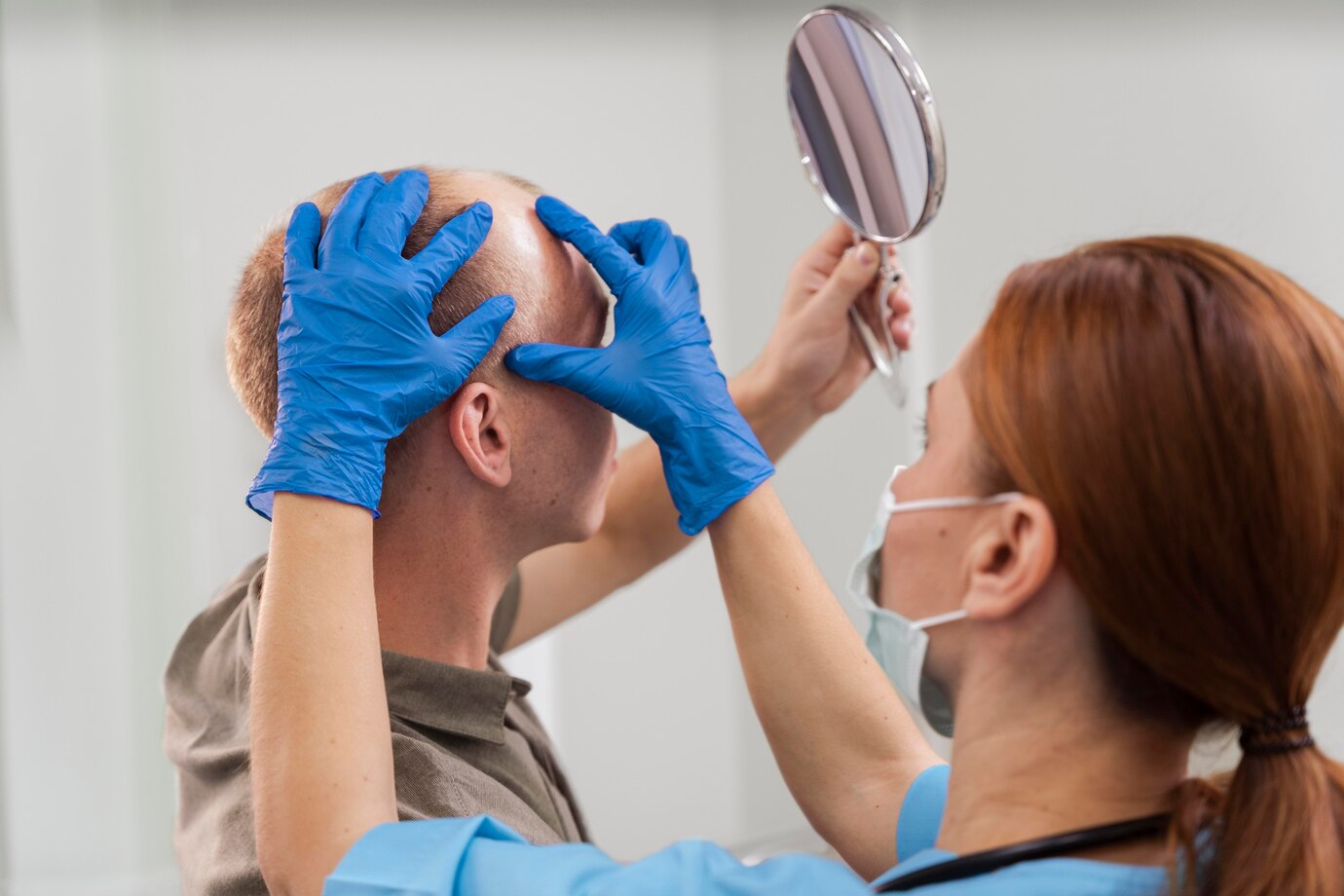
Hair loss can be a frustrating and confidence-shaking experience, affecting both men and women at various stages of life. When it comes to addressing this issue, individuals are faced with a range of treatment options, from natural remedies to medical procedures. But which approach is the most effective? In this article, we’ll break down the pros and cons of natural versus medical hair loss treatments to help you determine the best course of action for your unique situation.
Understanding Hair Loss
Before diving into the treatment options, it’s important to understand the common causes of hair loss. The most frequent reason is androgenetic alopecia (male or female pattern baldness), which is primarily genetic. Other causes include stress, poor nutrition, medical conditions, hormonal imbalances, and environmental factors. The cause of hair loss often influences the treatment method that will be most effective.
Natural Hair Loss Treatments
Natural hair loss treatments have been used for centuries, and many people are drawn to them for their holistic and non-invasive nature. Some of the most popular natural remedies include:
1. Essential Oils and Herbal Treatments
Certain essential oils, such as rosemary oil, peppermint oil, and lavender oil, are believed to stimulate hair growth by improving blood circulation to the scalp. Additionally, herbal treatments like saw palmetto and ginseng are thought to block the hormone DHT (dihydrotestosterone), which is linked to hair loss.
2. Scalp Massage
Regular scalp massage is a popular natural treatment as it’s believed to improve circulation, promote hair growth, and reduce stress. Massaging the scalp with oils or special massage tools can help nourish hair follicles, creating a healthier scalp environment.
3. Diet and Nutrition
A balanced diet rich in vitamins and minerals is essential for healthy hair growth. Nutrients like biotin, zinc, iron, and vitamin D have been linked to hair health. Individuals suffering from hair loss are often advised to improve their diets or take supplements to ensure their bodies are receiving the nutrients necessary to support hair growth.
4. Onion Juice and Other Home Remedies
Onion juice is an age-old remedy believed to support hair growth due to its high sulfur content, which improves circulation and collagen production. Other home remedies, such as apple cider vinegar, coconut oil, and green tea, are also commonly used to strengthen hair and stimulate growth.
Pros of Natural Hair Loss Treatments
- Non-invasive: No surgery or harsh chemicals involved.
- Minimal side effects: Natural treatments are generally safe with few reported side effects.
- Cost-effective: Many natural remedies are affordable and easily accessible.
Cons of Natural Hair Loss Treatments
- Slower results: It can take months, if not years, to see noticeable changes with natural remedies.
- Limited efficacy: While these treatments can support healthy hair, they may not be effective for severe hair loss or genetic conditions like androgenetic alopecia.
- Lack of scientific evidence: Some natural treatments have anecdotal success but lack extensive clinical research to support their efficacy.
Medical Hair Loss Treatments
Medical treatments for hair loss are often more advanced and backed by scientific studies. These treatments are typically recommended for individuals experiencing significant or rapid hair loss. The most common medical hair loss treatments include:
1. Minoxidil (Rogaine)
Minoxidil is a topical medication that stimulates hair growth and slows down hair loss. Available over-the-counter in both liquid and foam forms, it is applied directly to the scalp. It is FDA-approved for both men and women.
2. Finasteride (Propecia)
Finasteride is an oral prescription medication for men that reduces the production of DHT, the hormone responsible for shrinking hair follicles and causing male pattern baldness. It’s considered highly effective for slowing hair loss and promoting regrowth.
3. Hair Transplant Surgery
For individuals with more advanced hair loss, surgical options like Follicular Unit Extraction (FUE) or Follicular Unit Transplantation (FUT) may be the best solution. These procedures involve transplanting hair follicles from a donor area (usually the back of the head) to thinning or balding areas. The results are long-lasting and look natural when performed by an experienced surgeon.
4. Platelet-Rich Plasma (PRP) Therapy
PRP therapy involves drawing the patient’s blood, processing it to concentrate the platelets, and then injecting it into the scalp. Platelets contain growth factors that can stimulate hair growth and improve the health of hair follicles. PRP is often used in combination with other treatments like Minoxidil or hair transplants.
Pros of Medical Hair Loss Treatments
- Proven efficacy: Medical treatments are backed by scientific research and often show significant results, particularly in cases of genetic hair loss.
- Faster results: With medical treatments, especially medications like Minoxidil and Finasteride, noticeable improvements can be seen within months.
- Long-lasting solutions: Treatments like hair transplants offer permanent results.
Cons of Medical Hair Loss Treatments
- Side effects: Some medications, like Finasteride, can cause side effects such as sexual dysfunction or scalp irritation.
- Cost: Medical treatments, especially hair transplants, can be expensive.
- Invasive procedures: Some medical options, like hair transplants, involve surgery and recovery time.
Choosing the Right Approach
The best approach to treating hair loss often depends on the cause and severity of the condition, as well as personal preferences regarding invasiveness, cost, and lifestyle. Here’s a guide to help you decide:
- Mild Hair Loss: For individuals experiencing early-stage thinning or temporary hair loss due to stress or diet, natural treatments like scalp massages, improved nutrition, and essential oils may offer benefits without the need for medical intervention.
- Genetic Hair Loss (Androgenetic Alopecia): Those with genetic hair loss will likely benefit more from medical treatments. Minoxidil and Finasteride are effective for managing androgenetic alopecia, and hair transplants can provide permanent solutions for more advanced cases.
- Combination Approach: Many people find that combining natural and medical treatments yields the best results. For example, using Minoxidil while also practicing scalp massages and a nutrient-rich diet can support overall hair health and improve the effectiveness of medical treatments.
Conclusion
When it comes to hair loss, there is no one-size-fits-all solution. Natural remedies can be a great starting point, especially for those with mild or temporary hair thinning. However, for individuals with more severe or genetic hair loss, medical treatments offer a more reliable path to significant regrowth. Ultimately, the best approach will depend on your specific needs, goals, and willingness to invest in either time-consuming natural methods or more immediate, but often costlier, medical treatments. Consulting with a healthcare professional can help you make an informed decision and choose the right path to restore your hair and confidence.