Facial aging is an ongoing physiological process driven by progressive changes across multiple anatomical layers. As the body ages, natural cellular synthesis slows down, leading to a marked decrease in structural proteins like collagen and elastin within the dermal matrix. Beneath the skin surface, superficial and deep facial fat pads gradually lose volume and migrate downward under the influence of gravity. Concurrently, facial ligaments retain less elasticity, and subtle bone resorption occurs along the cheekbones and jawline.
These collective structural changes manifest as visible signs of facial descent. Midface volume shifts downward, deepening the lines between the nose and mouth, while soft tissue settles along the lower facial border to form jowls. For individuals seeking to correct these early to moderate structural changes without undergoing extensive surgery, modern aesthetic medicine offers sophisticated solutions. A leading choice among non-surgical options is Thread lift treatment in Delhi, which addresses structural sagging by lifting compromised tissues and triggering continuous collagen synthesis within the deeper dermal layers.
How Thread Lifting Works: Mechanical Vectors and Biological Renewal
To understand how thread lifting achieves natural facial rejuvenation, it helps to explore the interplay between mechanical suspension and cellular regeneration. Modern thread lifting relies on biocompatible, medical-grade polymers designed to dissolve safely inside tissue over time. The primary materials utilized in these procedures include Polydioxanone (PDO), Poly-L-Lactic Acid (PLLA), and Polycaprolactone (PCL), each selected based on tissue density and desired longevity.
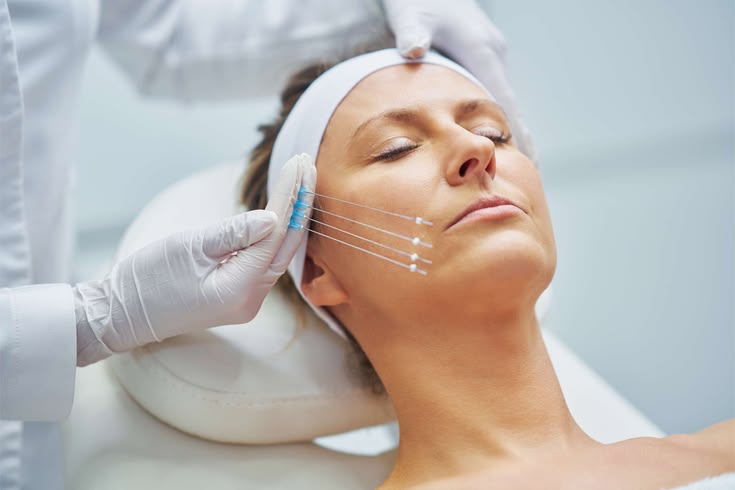
During the procedure, these specialized sutures are inserted into the subcutaneous plane along pre-calculated mechanical vectors. Sutures embedded with microscopic barbs, cogs, or cones anchor securely into the fibrous tissue matrix. Once engaged, the clinician applies controlled tension along the vector line, physically repositioning sagging soft tissues toward higher, more youthful anchor points.
Beyond this immediate physical elevation, the threads initiate a mild tissue healing response. As the body interacts with the biocompatible material, fibroblasts gather around the thread pathways, stimulating neocollagenesis—the natural production of new Type I and Type III collagen, elastin, and hyaluronic acid. Over six to eight months, the original thread material hydrolyzes completely into harmless byproducts, but the surrounding collagen matrix remains intact. This newly formed biological scaffold maintains skin tightness, improves dermal thickness, and sustains facial contours long after the physical suture has dissolved.
Facial Zones Transformed by Precision Thread Lift Treatment
Thread lifting is an adaptable procedure tailored to specific anatomical regions of the face and neck. Rather than altering facial structure artificially, the technique restores natural contours by lifting fallen tissues back to their original positions.
Jawline Sculpting and Lower Face Contouring
Loss of jawline definition creates a soft, aged lower facial profile. Soft tissue descent along the lower cheeks leads to jowling, which obscures the crisp junction between the face and neck. Placing suspension threads along the mandibular line draws sagging tissues upward toward the ear lobes, restoring a smooth, defined jawline and balancing lower facial proportions.
Midface Lift and Nasolabial Smoothing
Downward movement of cheek fat pads accentuates deep nasolabial folds and creates a hollow appearance beneath the eyes. By introducing threads from the cheekbones toward the temporal area, the midface is elevated to its youthful position. This maneuver softens smile lines, fills cheek contours naturally, and restores a balanced heart-shaped facial shape without relying solely on volumizing dermal fillers.
Marionette Line Reduction and Commissure Elevation
Folds extending downward from the corners of the mouth can give the lower face a downturned or stern appearance. Strategic placement of sub-dermal support threads beneath these marionette zones supports drooping oral commissures, smoothing out deep furrows and restoring a relaxed, pleasant mouth expression.
Temporal Elevation and Lateral Eyebrow Lifting
Tissue laxity around the forehead and temples can cause the eyebrow tails to droop, creating a heavy or fatigued appearance around the eyes. Inserting fine threads into the temporal fascia gently raises the lateral eyebrow, opening up the upper eye area and smoothing fine crow's feet without affecting natural eyebrow mobility.
Submental Tightening and Neck Line Refinement
The delicate skin under the chin and across the neck is particularly prone to early tissue laxity. Specialized neck thread vectors tighten loose submental skin, smooth out horizontal neck lines, and sharpen the angle under the jaw, producing a sleeker, well-defined neck profile.
Selecting the Ideal Candidate for Non-Surgical Facial Elevation
Achieving optimal results with thread lifting requires selecting candidates whose anatomical needs match what the procedure can deliver. While thread lifts offer impressive non-surgical results, they are designed for specific patterns of facial aging rather than severe structural changes.
The ideal candidate is typically between 30 and 60 years old with mild to moderate skin laxity and adequate subcutaneous tissue depth. Candidates should have sufficient skin thickness to properly cover the embedded sutures, preventing visible outlines or surface irregularities. This treatment is particularly suited for individuals who want natural-looking facial elevation without the extended recovery time, general anesthesia, or surgical scars associated with invasive operations.
Patients contemplating treatment should hold realistic expectations, understanding that thread lifting enhances natural contours rather than replacing deep surgical alterations. Good candidates maintain sound health, have no active skin conditions in the treatment zone, and are free from underlying connective tissue disorders. Consulting a board-certified specialist at a leading plastic surgery clinic in Delhi ensures a comprehensive anatomical evaluation to determine whether thread lifting, energy-based therapies, or combined modalities offer the best outcome.
Surgical Facelift versus Thread Lift: Evaluating Rejuvenation Options
Choosing between a surgical facelift and a non-surgical thread lift depends on the severity of tissue laxity, available recovery time, and personal aesthetic goals. Understanding how these treatments differ helps patients make well-informed decisions for their facial care.
A traditional surgical facelift involves incisions around the ears, extensive dissection of deep muscular layers (SMAS), redraping of tissue, and excision of excess skin under general anesthesia. It provides dramatic structural transformation for severe skin laxity, with results lasting ten to fifteen years, though it requires two to three weeks of recovery. In contrast, a non-surgical facial lift in South Delhi is performed in-office using local anesthesia, involves no surgical incisions or skin removal, and requires minimal downtime. While thread lift results typically endure for 18 to 24 months, the procedure offers a convenient option for patients seeking subtle, natural elevation with rapid return to daily routine.
Excellence in Aesthetic Surgery: Why Choose Med Esthetiks and Dr. Lokesh Handa
Achieving safe, symmetrical, and harmonious results with thread lifting demands an intimate understanding of facial anatomy, structural vectors, and precise clinical execution. Choosing a credentialed specialist ensures high safety standards and refined aesthetic results.
At Med Esthetiks, all aesthetic procedures are led by Dr. Lokesh Handa, an accomplished practitioner holding advanced M.S. and M.Ch. qualifications in plastic surgery. With over 18 years of clinical practice in aesthetic, plastic, and reconstructive surgery, Dr. Handa combines rigorous surgical expertise with a refined eye for facial proportions.
Widely recognized as a Best plastic surgeon in Delhi, Dr. Handa prioritizes thorough, individual assessments. Recognizing that every patient's facial structure ages differently, he conducts careful physical consultations to evaluate tissue thickness, skin mobility, vascular pathways, and structural balance before designing a customized treatment plan.
Located in Greater Kailash-1, South Delhi, Med Esthetiks operates on principles of ethical care, patient safety, and clinical transparency. Patients from across New Delhi and Delhi NCR trust the clinic for its sterile procedure suites, premium regulatory-approved thread materials, personalized vector planning, and dedicated post-procedure follow-up that ensures long-term satisfaction.
Patients seeking consultations with an experienced Cosmetic plastic surgeon in Delhi appreciate Dr. Handa's focus on achieving balanced outcomes that preserve authentic facial expressions while subtly refreshing overall appearance.
The Step-by-Step Clinical Procedure for Facial Thread Suspension
Knowing what occurs during a thread lift session helps patients feel prepared and confident throughout their appointment. The clinical workflow is designed to maintain patient comfort, precision, and safety at every stage.
Anatomical Mapping and Vector Design
The appointment begins with the patient sitting upright in natural light. Dr. Lokesh Handa evaluates dynamic facial expressions and marks exact entry points and vector lines across the skin using surgical markers. These lines serve as precise roadmaps, ensuring symmetrical lifting balanced to the individual's facial dynamics.
Local Anesthesia Administration
To ensure a comfortable experience, local anesthetic is administered at the thread insertion points and along the planned subdermal pathways. This numbing process ensures that the insertion and positioning of the sutures remain completely pain-free.
Subdermal Insertion and Mechanical Vector Positioning
Using ultra-fine, blunt-tipped micro-cannulas, the surgeon introduces the medical threads into the subdermal layer or superficial fat plane. The smooth tip of the cannula navigates through tissue layers gently, reducing the likelihood of bruising or vessel damage. Once the threads are placed along the marked pathways, gentle manual pressure engages the microscopic barbs within the tissue matrix, allowing the surgeon to elevate and contour the soft tissues.
Final Calibration and Suture Trimming
After tension is adjusted to achieve ideal lift and symmetry, the remaining thread ends outside the entry points are trimmed beneath the skin surface. No external stitches are needed, leaving tiny entry marks that heal rapidly. The entire treatment takes approximately 45 to 60 minutes, after which patients can observe their immediate results before leaving the clinic.
Post-Procedure Recovery Care and Maintenance for Lasting Contours
One of the main advantages of non-surgical thread lifting is its swift recovery timeline. While normal daily activities can generally be resumed quickly, following sensible aftercare instructions helps protect the newly placed threads and supports steady healing.
During the first 24 to 48 hours, mild swelling, localized tenderness, or slight bruising may occur near entry sites. These temporary responses are normal and resolve on their own. Applying cold compresses gently to the outer skin during the first day helps minimize swelling.
Patients should sleep on their back with their head elevated on extra pillows for the first 5 to 7 days to prevent uneven pressure on the facial tissues. Avoid vigorous facial rubbing, deep cleansing massages, or harsh facial treatments for at least three weeks. Refraining from strenuous workouts, high-heat environments like saunas, and exaggerated facial movements (such as wide yawning) during the first two weeks prevents thread dislodgement while the surrounding tissue anchors securely around the suture matrix.
Understanding Investment Factors for Plastic Surgery Cost in Delhi
When planning non-surgical facial rejuvenation, understanding the financial components involved helps patients make informed, clear decisions. The overall Plastic surgery cost in Delhi for thread lift procedures varies according to several key factors.
First, the total quantity and specific type of threads required play a significant role. Fine smooth mono threads used for subtle skin texture refinement cost less than heavy-barbed cog or molded threads needed for structural jawline lifting. Second, the extent of the treatment area affects pricing, as lifting a single zone like the eyebrows involves fewer resources than a full face and neck contouring plan. Third, having your treatment performed by a qualified Plastic surgery doctor in Delhi with extensive surgical training ensures high safety standards, advanced vector design, and superior natural results. Finally, choosing a modern, fully equipped Best cosmetic clinic in Delhi that uses regulatory-approved, premium bio-materials guarantees rigorous hygiene standards and comprehensive post-procedure care.
During your private consultation, a detailed cost estimate is provided based on your personalized anatomical assessment and aesthetic goals.
Frequently Asked Questions About Thread Lift Rejuvenation
Is thread lift treatment in Delhi painful or uncomfortable during administration?
Thread lift procedures are designed to be comfortable for the patient. Prior to thread insertion, local anesthesia is carefully injected at the entry points and along the planned treatment vectors, effectively numbing the subdermal tissue layers. Patients typically feel mild pressure or a gentle tugging sensation as the micro-cannula navigates the subdermal plane, but sharp pain is avoided. Following the treatment, mild tenderness, tightness, or slight soreness may linger for a few days as the tissue adapts to the new structural support. This temporary discomfort is easily managed with standard oral analgesics and generally subsides completely within a week.
How long do the results of a non-surgical facial thread lift typically last?
The visible improvements from a thread lift generally last between 18 and 24 months, depending on individual skin elasticity, metabolic rate, lifestyle habits, and the type of thread material utilized. Polydioxanone sutures dissolve naturally within 6 to 8 months through hydrolysis, while PLLA or PCL threads may persist slightly longer. However, even after the physical thread material breaks down, the dense network of natural Type I and Type III collagen synthesized during neocollagenesis remains in place. This collagen framework maintains tissue firmness and structural elevation, allowing long-term aesthetic benefits that fade slowly and gracefully over time.
What is the difference between mono threads, screw threads, and barbed cog threads?
Different thread types serve distinct aesthetic purposes within facial rejuvenation plans. Smooth mono threads are thin, non-barbed sutures placed in grid patterns to firm crepey skin, boost localized collagen, and refine overall skin texture without creating physical lift. Screw or twisted threads feature coiled structures that add subtle volume to hollow areas such as marionette lines or deep furrows. Barbed cog threads possess tiny microscopic hooks along their length that anchor securely into the subcutaneous tissue matrix, allowing the clinician to physically pull, elevate, and suspend drooping facial structures along targeted mechanical vectors.
When can I resume normal work, social activities, and exercise after a thread lift?
Most patients can return to desk work and light routine activities within 24 to 48 hours following a thread lift procedure. Any mild swelling, minor redness, or tiny entry site bruises can easily be concealed with light, non-comedogenic makeup after the first day. However, strenuous physical exercise, heavy weightlifting, high-impact cardiovascular activities, and swimming should be paused for approximately two weeks. Avoiding intense exertion prevents elevated blood pressure and sudden facial movements that could disrupt the anchoring barbs while the surrounding tissues integrate around the thread scaffold.
Are dissolvable medical sutures completely safe for facial skin insertion?
Yes, modern dissolvable threads made of Polydioxanone, Poly-L-Lactic Acid, or Polycaprolactone possess an established medical safety record. These biocompatible polymers have been used safely for decades in delicate cardiovascular, orthopedic, and ophthalmic surgeries. When administered by a trained specialist using sterile techniques, the risk of adverse reaction is extremely low. The human body naturally breaks down these polymers into harmless metabolic products over time, leaving no permanent foreign material beneath the skin while leaving behind a self-generated network of natural collagen support.
Can thread lifts be safely combined with dermal fillers or botulinum toxin?
Combining thread lifts with other aesthetic modalities is a recognized approach for multi-layered facial rejuvenation. While thread lifts restore position by elevating sagging soft tissues, hyaluronic acid dermal fillers can replace localized bone and fat volume loss in areas like the temples or lips. Neuromodulators like botulinum toxin relax hyperactive facial muscles around the forehead and eyes, preventing strong muscular contractions from pulling on newly placed threads. During your consultation, your surgeon will formulate a safe, staged treatment timeline to combine these modalities effectively.
What steps should I follow on the night after receiving thread lift treatment?
On the evening following your thread lift treatment, focus on resting quietly with your head elevated on two or three soft pillows to minimize fluid accumulation and reduce swelling. Avoid touching, rubbing, or washing your face vigorously for the first 12 hours. If you feel mild tightness or localized soreness, apply an ice pack wrapped in a soft cloth gently near the treatment zones for 10-minute intervals without applying direct pressure. Sleep exclusively on your back to avoid putting lateral pressure on the facial vectors, and avoid hot showers, alcohol consumption, or heavy meals.
How do I select a qualified plastic surgery specialist in South Delhi?
Selecting a qualified practitioner is the most critical factor in achieving safe, natural-looking results with thread lifting. Look for a specialist who holds formal postgraduate surgical qualifications, such as an M.S. and M.Ch. in plastic surgery, and possesses extensive clinical experience in facial aesthetics. Evaluate whether the surgeon conducts thorough facial evaluations rather than offering standardized treatments. Review authentic before-and-after portfolios, examine clinic safety protocols, and ensure the facility utilizes regulatory-approved bio-materials. Scheduling an in-person consultation allows you to assess the practitioner's approach and communication style directly.
Restoring Natural Youthfulness with Thread Lift Treatment in Delhi
Achieving balanced facial rejuvenation is about preserving your unique beauty while restoring structural support that has diminished over time. A professional Thread lift treatment in Delhi offers an effective solution for individuals seeking visible tissue elevation, refined jawline contours, and healthier collagen density without the recovery demands or surgical incisions of traditional operations. By uniting mechanical vector elevation with continuous biological collagen stimulation, thread lifting restores harmonious proportions while preserving natural facial expressions. Choosing a credentialed specialist ensures that your aesthetic journey is guided by medical precision, anatomical knowledge, and personalized attention.
Schedule Your Expert Facial Evaluation at Med Esthetiks Today
If you are ready to explore how modern thread lifting can refine your facial contours and restore skin firmness, schedule a private consultation at Med Esthetiks. Experience a individualized anatomical assessment guided by renowned specialist Dr. Lokesh Handa, who will evaluate your facial structure and design a custom vector strategy tailored to your goals. Visit our state-of-the-art practice located in Greater Kailash-1, New Delhi, or reach out directly to our clinical team at +91 8800203431 to begin your personalized path toward natural facial elevation.