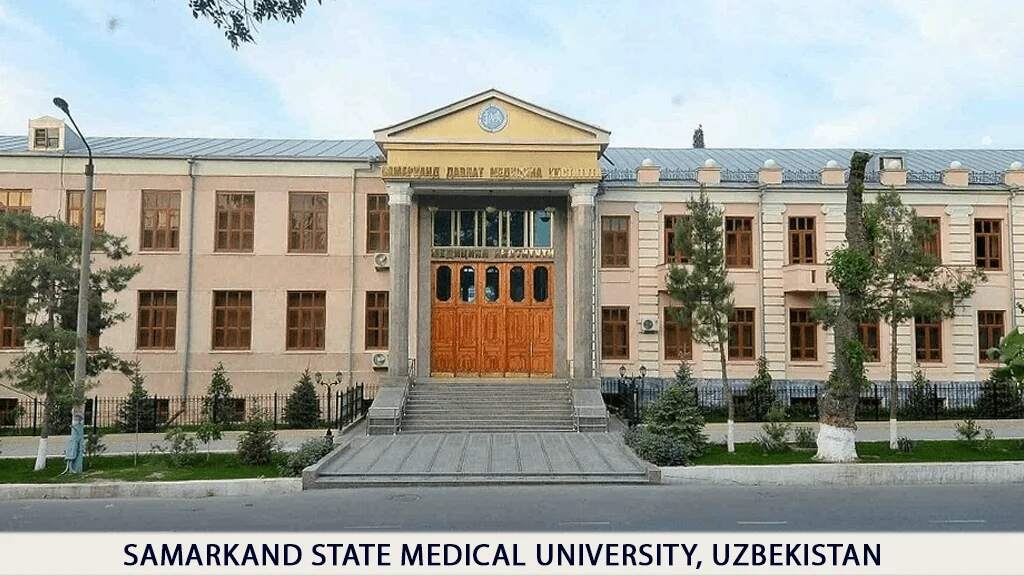
In the heart of Central Asia's medical education landscape is Samarkand State Medical University, situated in the historic city of Samarkand, Uzbekistan. Known for its dedication to quality in medical education, research, and patient care, the university was founded in 1930 and has since grown to become a prominent establishment.
Historical Background and Evolution
Samarkand State Medical University has had a significant impact on the development of healthcare in Uzbekistan and the surrounding areas ever since it was established. The university was founded during a time when medical science was making tremendous strides, and it has subsequently expanded to include the most recent findings in both medical practice and research. It has developed its programs and facilities over the years, turning it into a preeminent hub for medical education.
Academic Programs
The university offers a wide array of programs catering to various aspects of medical science:
Undergraduate Programs
General Medicine (MBBS): A comprehensive program designed to produce well-rounded physicians capable of addressing diverse healthcare needs.
Pediatrics: Focuses on the medical care of infants, children, and adolescents.
Dentistry: Prepares students for careers in dental medicine, emphasizing both theoretical knowledge and practical skills.
Pharmacy: Equips students with the expertise needed to excel in pharmaceutical sciences.
Nursing: Trains students in essential nursing skills, with a focus on patient care and clinical practice.
Postgraduate Programs
Medical Specialties: Various residency programs in fields such as surgery, internal medicine, obstetrics and gynecology, and more.
Master’s Programs: Advanced studies in specific medical disciplines.
Doctoral Programs: Research-focused programs aimed at contributing to medical science and innovation.
Facilities and Resources
Samarkand State Medical University boasts modern facilities designed to enhance the learning and research experience:
Advanced Laboratories: State-of-the-art labs equipped with the latest technology for hands-on learning and research.
Lecture Halls: Spacious and well-equipped halls designed to facilitate interactive learning.
Research Centers: Dedicated centers for specialized medical research, fostering innovation and scientific discovery.
Libraries: Extensive collections of medical literature, including books, journals, and digital resources, supporting both education and research.
Hospital Affiliations
The university collaborates with several hospitals in Samarkand and beyond, providing students with invaluable clinical training opportunities. These affiliations ensure that students gain practical experience under the supervision of experienced healthcare professionals, bridging the gap between theoretical knowledge and real-world practice.
International Collaboration
Samarkand State Medical University maintains strong ties with medical institutions and universities worldwide. These collaborations include student exchange programs, joint research projects, and faculty development initiatives. The university’s commitment to international cooperation enhances its academic programs and provides students with a global perspective on healthcare.
Partnerships
Research Collaborations: Joint research projects with international institutions contribute to advancements in medical science.
Student Exchanges: Opportunities for students to study MBBS in Abroad and gain exposure to different healthcare systems and practices.
Faculty Development: Programs aimed at enhancing the skills and knowledge of faculty members through international training and workshops.
Foreign Students: The university attracts a diverse student body from various countries, creating a multicultural learning environment. Support services for international students include language training, orientation programs, and assistance with visa and residency procedures.
Admission Requirements
Undergraduate Programs
High School Diploma: Applicants must have completed secondary education.
Entrance Exams: Depending on the program, entrance exams or interviews may be required.
Language Proficiency: For non-native speakers, proficiency in English (IELTS/TOEFL) may be necessary.
Postgraduate Programs
Relevant Degree: A bachelor’s degree in a related field is required.
References: Academic and professional references to support the application.
Research Proposal: For doctoral programs, a detailed research proposal is needed.
Student Life
Accommodation
The university provides accommodation choices for both on- and off-campus students. Dormitories offer a nice living space for students and are furnished with all the necessities.
Extracurricular Activities
Clubs and organizations, from sports to cultural and academic, are encouraged for students to join. Individual development and community involvement are promoted by these activities.
Experience Culture
Students can experience a unique experience in Samarqand because of its rich historical and cultural legacy. Academic and personal growth are highly encouraged in this city because of its dynamic culture, numerous historic attractions, and friendly locals.
In summary
Samarkand State Medical University is a premier medical education school that combines cutting-edge research with a rich historical background. Students receive a thorough and well-rounded education because of its extensive academic offerings, cutting-edge facilities, and global partnerships. The institution equips its graduates to flourish in the global healthcare scene and make important contributions to medical science and patient care by creating a dynamic and inclusive environment.