Romania has emerged as a popular destination for international students seeking a degree in medicine, particularly the MBBS (Bachelor of Medicine, Bachelor of Surgery). The country's medical universities offer quality education at relatively affordable costs, attracting students from around the globe. This article delves into the key aspects of pursuing an MBBS in Romania, including the educational framework, admission requirements, costs, and the overall student experience.
Educational Framework
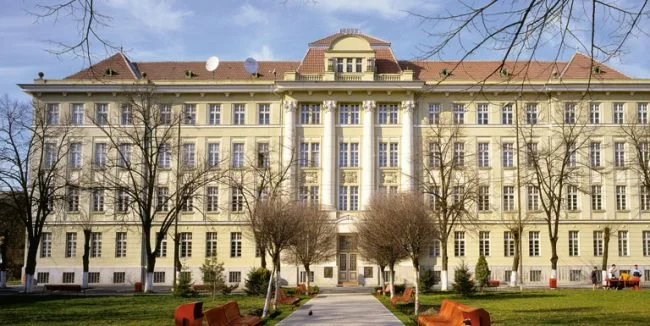
Romania boasts several prestigious medical universities, such as the University of Medicine and Pharmacy "Carol Davila'' in Bucharest, Iuliu Hațieganu University of Medicine and Pharmacy în Cluj-Napoca, and Grigore T. Popa University of Medicine and Pharmacy in Iași. These institutions are recognized by major international bodies, including the World Health Organization (WHO) and the Medical Council of India (MCI).
The MBBS program in Romania typically spans six years, comprising five years of theoretical and practical coursework followed by a year of clinical rotations. The curriculum is designed to provide a comprehensive understanding of medical sciences, with a strong emphasis on clinical practice. Students are exposed to various specialties such as internal medicine, surgery, paediatrics, obstetrics and gynaecology, and psychiatry, among others.
Admission Requirements
The admission process for MBBS programs in Romania is relatively straightforward compared to many Western countries. Key requirements include:
Academic Qualifications
Prospective students must have completed high school with a strong foundation in science subjects, particularly Biology and Chemistry. A minimum grade point average (GPA) or equivalent is usually stipulated.
Language Proficiency
Courses are offered in both Romanian and English. For the English-taught programs, non-native English speakers must provide proof of language proficiency through tests like IELTS or TOEFL.
Entrance Examination
Some universities may require an entrance exam that tests the applicant's knowledge in relevant subjects. However, this is not universally mandatory.
Documentation
Students must submit a set of documents including a completed application form, academic transcripts, a valid passport, passport-size photographs, a medical certificate, and proof of financial capability.
Cost of Education and Living
One of the primary attractions of studying MBBS in Romania is the cost-effectiveness. Tuition fees range from €5,000 to €8,000 per year, which is significantly lower than in many Western countries. Scholarships and financial aid options are also available for eligible students.
Living costs in Romania are relatively affordable. On average, students might spend between €300 to €500 per month on accommodation, food, transportation, and other personal expenses. This budget-friendly environment enables students to focus on their studies without the financial strain experienced in more expensive countries.
Quality of Education
Romanian medical universities maintain high educational standards through well-structured programs and experienced faculty. The use of modern teaching methods, state-of-the-art facilities, and extensive clinical training ensures that graduates are well-prepared for their medical careers.
Students benefit from small class sizes, which promote personalised attention and a better learning experience. Additionally, the clinical training is conducted in affiliated hospitals with modern healthcare infrastructure, providing students with ample hands-on experience.
Student Life and Cultural Experience
Romania offers a vibrant and multicultural environment for international students. Cities like Bucharest, Cluj-Napoca, and Iași are known for their rich history, cultural diversity, and lively student communities. Students have the opportunity to immerse themselves in Romanian culture, participate in various extracurricular activities, and build a global network.
Safety is another significant aspect. Romania is generally considered a safe country for international students. Universities also provide support services, including counselling, career guidance, and help with accommodation, ensuring a smooth transition for newcomers.
Post-Graduation Opportunities
Graduates from Romanian medical universities are well-equipped to pursue careers in medicine globally. The MBBS degree from Romania is recognized across the European Union and other parts of the world. Graduates can opt to practise in Romania, return to their home countries, or seek opportunities in other countries.
For those wishing to practise medicine in the EU, Romania’s inclusion in the EU means that its medical degrees are recognized across member states, subject to fulfilling language and other professional requirements. Graduates can also pursue postgraduate studies or specialty training, further enhancing their qualifications and career prospects.
Conclusion
Choosing to pursue an MBBS in Romania offers numerous advantages, including quality education, affordable costs, and a rich cultural experience. The country’s medical universities provide a solid foundation for a successful career in medicine, with degrees recognized globally. For international students seeking a reputable and cost-effective destination for medical studies, Romania stands out as an excellent option.