Romania has become an increasingly popular destination for students seeking to pursue a Bachelor of Medicine, Bachelor of Surgery (MBBS) degree. Known for its quality education system, affordability, and cultural diversity, Romania offers a compelling option for international medical students.
Quality of Education
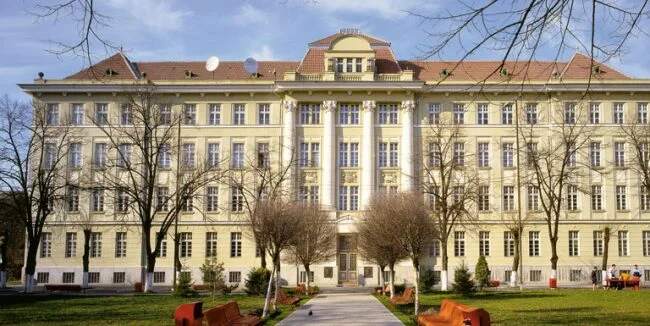
Romanian medical universities are well-regarded globally for their high standards of education and training. Institutions such as Carol Davila University of Medicine and Pharmacy in Bucharest, Iuliu Hațieganu University of Medicine and Pharmacy în Cluj-Napoca, and the University of Medicine and Pharmacy of Târgu Mureș are among the top choices. These universities follow a curriculum that aligns with the European Union standards, ensuring that graduates are well-prepared to practise medicine in various parts of the world.
The medical programs in Romania are recognized by major global bodies, including the World Health Organization (WHO) and the European Union (EU). This recognition ensures that the degree holds significant value and that graduates can practise in several countries after passing the respective licensing exams.
Language of Instruction
While Romanian is the national language, many universities offer MBBS programs in English and French to accommodate international students. This flexibility makes Romania an attractive destination for students from various linguistic backgrounds. For those who opt to study in Romanian, universities often provide preparatory language courses to help students achieve the required proficiency.
Affordability
One of the significant advantages of pursuing an MBBS in Romania is the affordability. Tuition fees for medical programs in Romania are considerably lower compared to other European countries, the United States, and Canada. On average, annual tuition fees range from €3,000 to €7,000, depending on the university and the language of instruction. Additionally, the cost of living in Romania is relatively low, with students needing approximately €300 to €600 per month to cover accommodation, food, transportation, and other expenses.
Admission Process
The admission process for MBBS programs in Romania is straightforward but competitive. Prospective students must have completed their high school education with a strong emphasis on science subjects such as Biology, Chemistry, and Physics. The application typically requires the submission of academic transcripts, proof of English proficiency (if applicable), a personal statement, and sometimes an interview or entrance exam.
Romanian universities have different admission cycles, but the main intake usually occurs in September. It's advisable for students to start the application process well in advance to ensure they meet all deadlines and requirements.
Clinical Exposure and Practical Training
Romanian medical universities place a strong emphasis on clinical exposure and practical training. From the third year onwards, students spend a significant amount of time in hospitals and clinics, gaining hands-on experience under the supervision of experienced medical professionals. This practical approach ensures that students are not only well-versed in theoretical knowledge but also proficient in clinical skills.
Cultural and Social Environment
Romania offers a rich cultural experience, with its vibrant history, diverse population, and picturesque landscapes. Cities like Bucharest, Cluj-Napoca, and Timișoara provide a blend of modern amenities and traditional charm. International students often find it easy to adapt due to the welcoming nature of the Romanian people and the presence of a large international student community.
Moreover, Romania’s strategic location in Europe allows students to travel and explore other European countries easily. This geographical advantage adds to the appeal of studying in Romania, as students can enrich their educational journey with diverse cultural experiences.
Challenges and Considerations
While there are many advantages to studying medicine in Romania, prospective students should also be aware of certain challenges. The language barrier can be a significant hurdle for those who do not speak Romanian, especially during clinical rotations where communication with patients and local staff is crucial. Although English-taught programs mitigate this issue to some extent, learning the local language can enhance the overall experience and integration into the healthcare system.
Additionally, students should be prepared for the rigorous nature of medical studies. The MBBS program is demanding and requires a high level of dedication, resilience, and time management skills. Prospective students must be committed to their studies to succeed.
Conclusion
Pursuing an MBBS in Romania offers a blend of high-quality education, affordability, and cultural richness. Romanian medical universities provide robust training and ample clinical exposure, preparing students for a successful career in medicine. While challenges such as language barriers exist, the overall benefits make Romania a compelling choice for many international medical students. With careful planning and dedication, students can achieve their goal of becoming competent and compassionate medical professionals in this beautiful and historic European nation.