Romania, a country known for its rich cultural heritage and scenic landscapes, has become a popular destination for international students pursuing an MBBS degree. This guide aims to provide a comprehensive overview of why studying MBBS in Romania is an attractive option, the benefits it offers, and what students can expect.
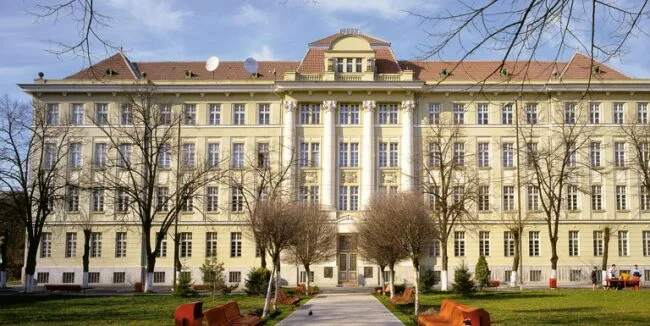
Why Choose Romania for MBBS?
High-Quality Education
Romanian medical universities are recognized globally for their high standards of education. Many of these universities are listed in the World Directory of Medical Schools and are recognized by international bodies such as the World Health Organization (WHO) and the Medical Council of India (MCI).
Affordable Tuition Fees
Compared to Western Europe and North America, Romania offers affordable tuition fees. The cost of studying MBBS in Romania ranges from €4,000 to €7,500 per year, making it a cost-effective choice for many students.
Living Costs
The cost of living in Romania is relatively low. Students can manage their expenses comfortably with a budget of €300 to €500 per month, covering accommodation, food, transportation, and other personal expenses.
English-Medium Programs
Many Romanian universities offer MBBS programs in English, which eliminates the language barrier for international students. This is particularly beneficial for students from non-EU countries who may not be proficient in Romanian.
Cultural Diversity
Romania is home to a diverse population and attracts students from all over the world. This multicultural environment provides a rich cultural experience and the opportunity to build a global network.
Admission Requirements and Process
Eligibility Criteria
To be eligible for an MBBS in Romania, students must have completed their high school education with a focus on science subjects, particularly Biology and Chemistry. Some universities may require a minimum percentage in these subjects.
Entrance Exams
While some universities may require students to pass an entrance exam, many others offer admission based on high school grades and English proficiency.
Application Process
The application process typically involves submitting an online application form along with necessary documents such as high school transcripts, a copy of the passport, a medical certificate, and proof of English proficiency (e.g., IELTS or TOEFL scores). Some universities may also require a motivation letter or personal statement.
Visa Requirement
Non-EU students need to apply for a student visa to study in Romania. The visa application process involves providing proof of admission to a Romanian university, evidence of financial support, health insurance, and a clean criminal record.
Top Medical Universities in Romania
Carol Davila University of Medicine and Pharmacy
Located in Bucharest, it is one of the oldest and most prestigious medical schools in Romania. It offers a six-year MBBS program in English.
Cluj-Napoca University of Medicine and Pharmacy
Known for its research facilities and academic excellence, this university also offers an English-medium MBBS program.
Iuliu Hațieganu University of Medicine and Pharmacy
Situated in Cluj-Napoca, it is renowned for its modern infrastructure and comprehensive medical training programs.
University of Medicine and Pharmacy Craiova
This university is known for its innovative teaching methods and extensive clinical practice opportunities.
Life as a Medical Student in Romania
Academic Environment
The medical curriculum in Romania is rigorous and includes a combination of theoretical knowledge and practical experience. Students attend lectures, seminars, and laboratory sessions, and they undergo clinical training in hospitals.
Accommodation
Universities provide on-campus accommodation options, which are affordable and convenient. Alternatively, students can rent apartments in the city, often sharing with fellow students to reduce costs.
Extracurricular Activities
Romanian universities encourage students to participate in extracurricular activities. These include sports, cultural events, and student organisations, which help students to balance their academic and social life.
Healthcare
Students in Romania have access to healthcare services, and it is mandatory to have health insurance. Most universities have their own medical facilities or collaborate with local hospitals to provide healthcare services to students.
Career Prospects and Opportunities
Global Recognition
An MBBS degree from a Romanian university is recognized worldwide, allowing graduates to pursue medical careers in various countries. Graduates can appear for international licensing exams such as USMLE, PLAB, and others.
Post-Graduate Opportunities
Romania offers a range of post-graduate medical programs. Additionally, graduates can choose to specialise in different fields of medicine or pursue research opportunities.
Employment in Romania
Graduates who wish to stay in Romania can find employment in hospitals, clinics, or academic institutions. The Romanian healthcare sector offers various opportunities for medical professionals.
Conclusion
Studying MBBS in Romania presents a blend of quality education, affordability, and cultural richness. With its internationally recognized medical programs, Romania is an excellent choice for aspiring medical students seeking to embark on a rewarding medical career. Whether you plan to practise medicine in your home country or globally, a Romanian MBBS degree can be a solid foundation for your future.