Nystagmus is a condition that causes involuntary, rapid movements of the eyes. It can affect people of all ages and may lead to blurred vision, poor depth perception, and difficulty with coordination. For those living with nystagmus, finding the right eye care hospital is not just about treatment—it’s about improving quality of life.
Not all hospitals are equipped to provide comprehensive Nystagmus Treatment. The condition is complex and often requires a combination of clinical expertise, advanced diagnostic tools, and long-term care planning. Choosing a hospital with these capabilities ensures patients receive the most effective support from the start.
A specialized eye care hospital can make a significant difference in the outcome of treatment. These hospitals typically employ experienced ophthalmologists, orthoptists, and neurologists who work together to understand the root cause of the condition and tailor a treatment plan that fits the patient’s individual needs.
1. Expert Diagnosis Is the First Step Toward Relief
Nystagmus can sometimes be misdiagnosed or overlooked, especially in its early stages. Symptoms such as shaky vision, head tilting, or difficulty focusing are often mistaken for other issues.
At a well-equipped eye care hospital, a thorough evaluation includes not just basic vision tests, but also advanced imaging and neurological assessments. This leads to a more accurate diagnosis and the development of a targeted treatment plan.
Identifying the underlying cause of nystagmus—be it congenital, neurological, or trauma-related—is critical. Each form of the condition requires a unique approach to care and management.
2. Personalized Treatment Options Under One Roof
Every patient experiences nystagmus differently. Some may notice the condition worsens with stress or fatigue, while others may have more pronounced symptoms in certain directions of gaze.
A specialized eye care hospital can provide a variety of treatment options under one roof, including optical correction, prism lenses, vision therapy, and in some cases, surgery. The care is not one-size-fits-all—it is deeply personalized.
Having a multidisciplinary team ensures patients are guided through each stage of treatment with compassion and clinical precision, whether managing childhood nystagmus or addressing acquired forms in adults.
3. Access to Advanced Technology Improves Outcomes
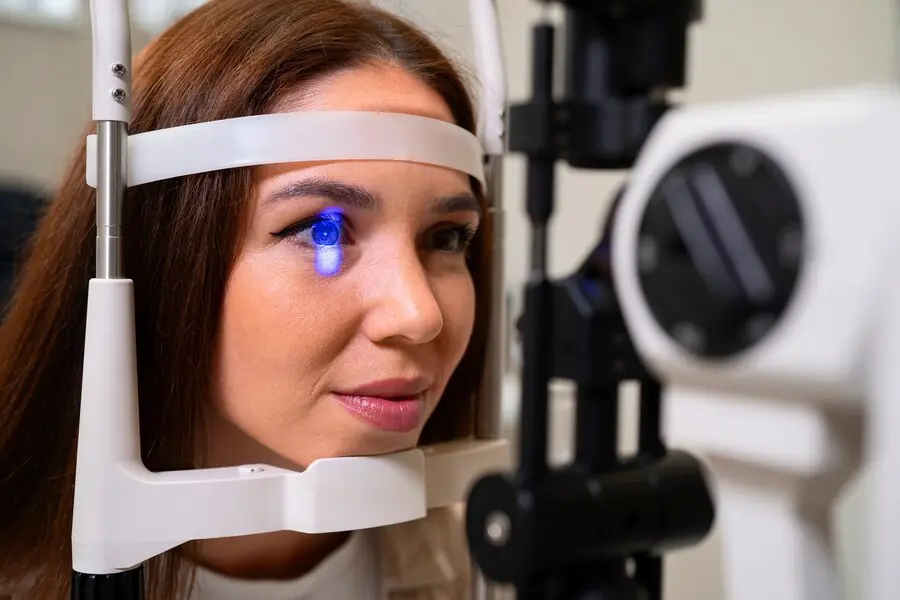
Modern nystagmus treatment relies on tools like eye movement tracking, optical coherence tomography (OCT), and brain imaging technologies. These tools help doctors map the eye’s motion and understand how the brain processes visual information.
Not all clinics have access to these technologies. A fully-equipped eye care hospital can provide more accurate diagnostics and monitor treatment effectiveness over time.
From high-resolution imaging to customized visual aids, access to advanced technology plays a crucial role in improving vision stability and quality of life for those with nystagmus.
4. Early Intervention for Children with Nystagmus
In children, early diagnosis and treatment of nystagmus are vital. Without proper care, the condition can hinder not just vision, but learning, mobility, and social development.
A child-friendly eye care hospital creates a supportive environment where early intervention strategies are not only available but also integrated with pediatric expertise.
These hospitals often work with families to provide home-care guidance, school readiness plans, and regular vision assessments, ensuring the child gets the best chance for visual development.
5. Ongoing Support and Vision Rehabilitation
Nystagmus treatment doesn't end after the first few appointments. It often requires long-term follow-up, vision training, and lifestyle adjustments.
Hospitals that specialize in eye care understand the importance of continuity in treatment. They offer vision rehabilitation programs that include exercises to improve gaze stability and coordination.
Support services such as counseling, group therapy, or low vision clinics can also be part of the care pathway—helping patients adapt and thrive with their condition.
6. Patient-Centered Environment Makes a Difference
Dealing with nystagmus can be emotionally and physically exhausting. Many patients experience anxiety, especially when symptoms interfere with daily activities like reading, walking, or driving.
The right Eye Care Hospital provides more than just medical solutions—it offers emotional support, patient education, and a warm, reassuring environment. Compassionate care fosters trust, which is essential when managing long-term conditions.
From the moment of first contact to every follow-up visit, a patient-focused approach can significantly ease the journey to better vision.
7. Coordinated Care for Complex Cases
In some instances, nystagmus is linked to other health conditions such as multiple sclerosis, stroke, or inner ear disorders. Managing these cases requires a team that can collaborate across specialties.
A well-organized eye care hospital coordinates with neurologists, ENT specialists, and physical therapists to ensure a comprehensive care plan. This integrated approach ensures that all aspects of the patient’s health are considered.
Such coordination minimizes delays in treatment, reduces patient stress, and helps achieve the best possible outcomes for complex nystagmus cases.
8. Community Awareness and Accessibility
Raising awareness about nystagmus treatment is essential. Many people live with the condition without realizing it can be managed.
Hospitals that actively engage in community outreach, screenings, and educational seminars help spread knowledge and encourage timely care-seeking behavior.
An accessible eye care hospital—whether through convenient locations, teleconsultations, or mobile clinics—can dramatically improve access to care for under-served communities.
Conclusion:
Nystagmus may not have a one-size-fits-all cure, but with the right care, patients can enjoy significant improvements in vision and quality of life. Choosing the right eye care hospital is not just a medical decision—it’s a life-changing one.
From accurate diagnosis and personalized treatment to advanced technology and long-term support, the right hospital walks every step of the journey with the patient. Compassionate care, expert-led teams, and coordinated services form the foundation of true healing.