Eye health is not static; vision can change gradually due to age, lifestyle, medical conditions, or prolonged digital exposure. Regular monitoring is essential to detect subtle changes early and prevent long-term visual impairment. Modern eye care practices are increasingly focused on proactive and preventive care rather than reactive treatment alone.
Intelligent diagnostic systems play a crucial role in supporting continuous eye health monitoring by delivering accurate, consistent, and data-driven insights over time.
Understanding Intelligent Diagnostic Systems
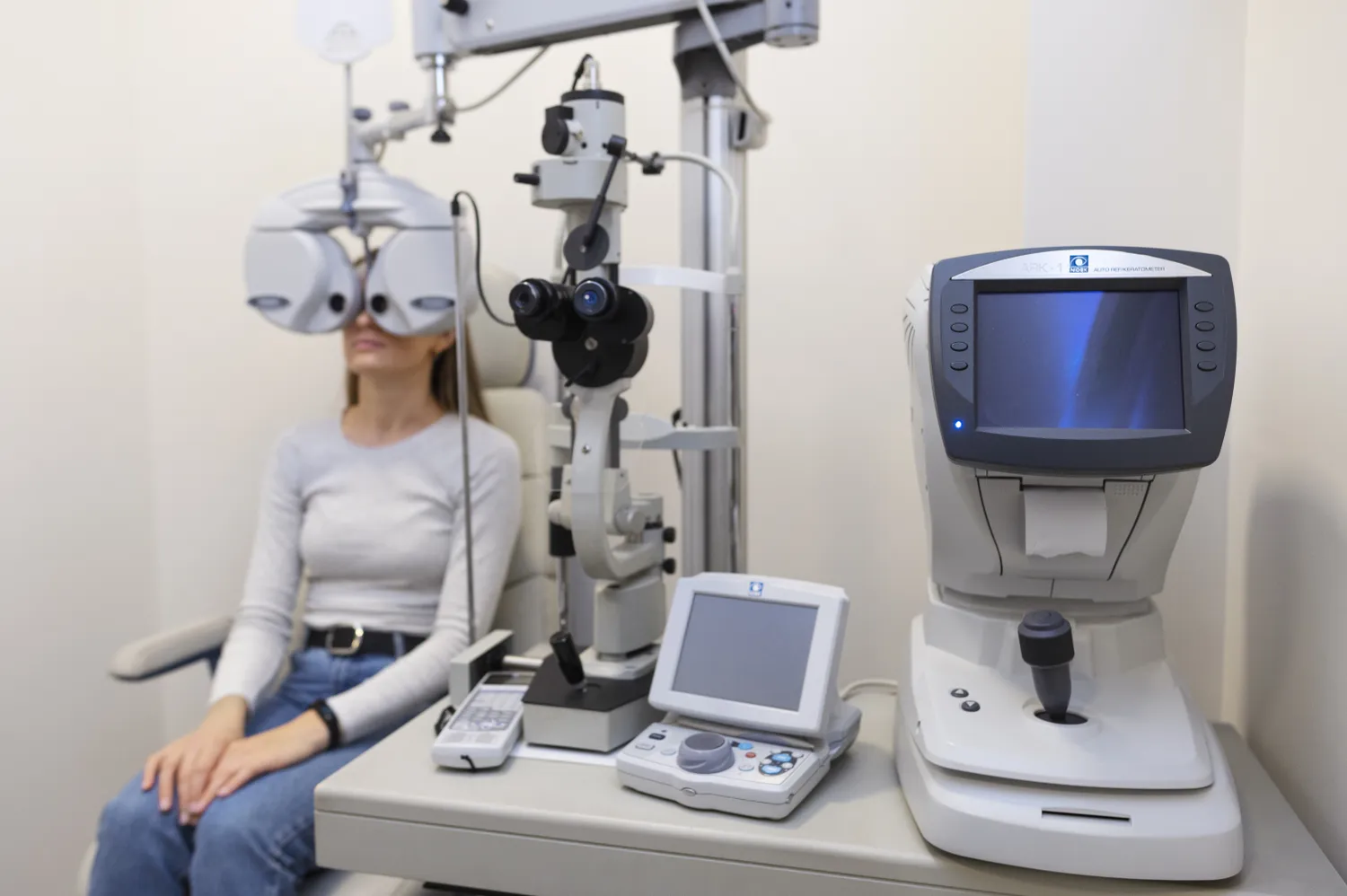
Intelligent diagnostic systems combine advanced optics, digital sensors, automated measurements, and software-driven analysis to assess eye health efficiently. These systems are designed to collect reliable data while minimizing variability caused by human factors.
By integrating automation and analytics, intelligent systems provide clinicians with precise information that supports both routine examinations and long-term monitoring.
Moving Beyond One-Time Assessments
Traditional eye examinations often focus on a single visit, providing a snapshot of a patient’s vision at that moment. While useful, this approach may not capture gradual changes that develop over time.
Intelligent diagnostic systems support longitudinal monitoring by enabling consistent measurements across multiple visits. This continuity allows clinicians to identify trends, track progression, and intervene early when changes are detected.
Enhancing Accuracy and Consistency in Measurements
Consistency is essential for effective eye health monitoring. Small variations in measurement techniques can lead to inaccurate comparisons between visits. Intelligent diagnostic systems standardize the testing process, ensuring that data is collected under similar conditions each time.
Automated measurements reduce the influence of subjective judgment, resulting in more reliable and repeatable data. This consistency strengthens clinical confidence when evaluating changes in a patient’s vision.
Supporting Early Detection of Vision Changes
Early detection is one of the most significant benefits of intelligent diagnostic systems. Subtle shifts in refractive status or visual performance may not be noticeable to patients initially.
By capturing precise data at regular intervals, these systems help clinicians identify early signs of vision deterioration. Early intervention can prevent discomfort, reduce progression, and improve long-term visual outcomes.
Improving Clinical Decision-Making
Data-driven insights are essential for informed clinical decisions. Intelligent diagnostic systems provide objective measurements that support evidence-based care.
When clinicians have access to accurate historical data, they can make better decisions regarding prescription adjustments, follow-up intervals, and preventive strategies. The inclusion of advanced tools such as a refractometer within intelligent systems further enhances measurement reliability and diagnostic confidence.
Supporting Personalized Eye Care Plans
Every patient’s visual needs are unique. Intelligent diagnostic systems support personalized care by enabling clinicians to tailor treatment and monitoring plans based on individual data.
Tracking changes over time allows for customized recommendations, ensuring that patients receive care aligned with their specific visual trends and risk factors.
Enhancing Efficiency in Routine Monitoring
Routine eye health monitoring must be efficient to accommodate busy clinical schedules. Intelligent diagnostic systems streamline data collection and reduce examination time without sacrificing accuracy.
Faster assessments allow clinics to maintain regular monitoring schedules for patients while managing higher volumes. This efficiency benefits both patients and healthcare providers.
Improving Patient Engagement and Awareness
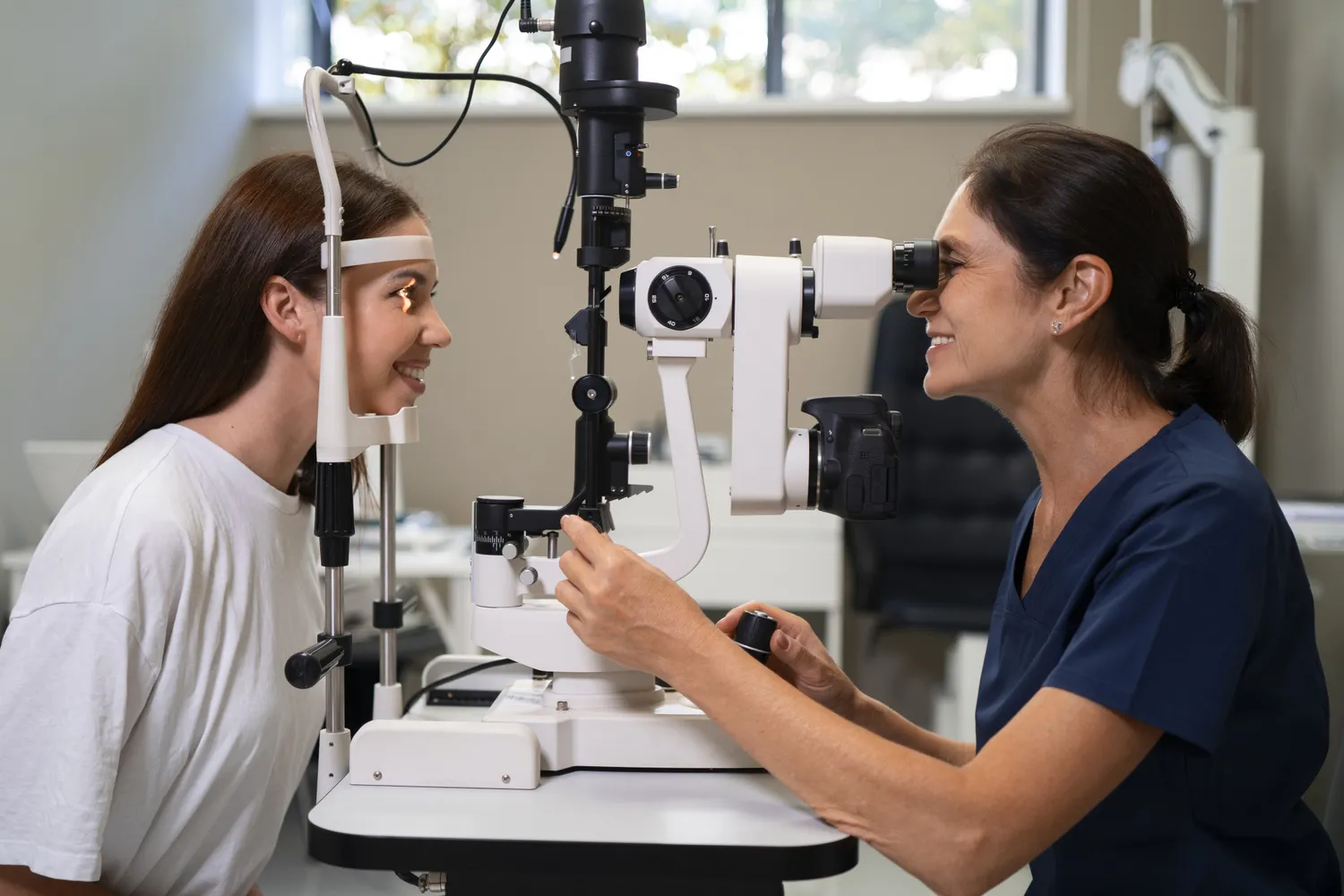
Patients are more engaged in their care when they understand their eye health status. Intelligent diagnostic systems often generate clear, visual data that clinicians can use to explain findings.
When patients can see changes over time, they are more likely to follow recommendations and attend regular check-ups. Improved engagement supports better long-term eye health outcomes.
Supporting Chronic Eye Condition Monitoring
Patients with chronic conditions such as progressive refractive changes require close monitoring. Intelligent diagnostic systems provide the consistency and precision needed to manage these cases effectively.
Reliable data enables clinicians to detect progression early and adjust care plans proactively, reducing the risk of complications.
Integrating with Modern Healthcare Systems
Modern eye care practices increasingly rely on digital records and interconnected systems. Intelligent diagnostic systems are designed to integrate seamlessly with electronic health records, enabling efficient data storage and retrieval.
This integration supports continuity of care, especially when patients visit different providers or locations.
Preparing Eye Care Practices for the Future
The future of eye care will emphasize prevention, personalization, and data-driven decision-making. Intelligent diagnostic systems align perfectly with these goals by supporting ongoing monitoring and early intervention.
Practices that adopt intelligent diagnostic solutions position themselves to meet evolving patient expectations and technological advancements.
Conclusion
Intelligent diagnostic systems play a vital role in supporting effective eye health monitoring by enhancing accuracy, consistency, and efficiency. Through reliable data collection, early detection of changes, and support for personalized care, these systems enable clinicians to deliver proactive and patient-centered eye care. As the focus on long-term eye health continues to grow, intelligent diagnostic technology will remain essential in ensuring optimal visual outcomes and sustainable clinical practices.