Building a durable, long-lasting structure requires more than just expert craftsmanship and a solid foundation. The choice of materials plays a critical role in determining the longevity, resilience, and overall performance of a building. Whether you're constructing a house, a commercial property, or a simple garden shed, selecting the right materials ensures that your build will stand the test of time against weather, wear, and tear. With so many options available, the key is to understand the characteristics of different materials and how they interact with environmental factors. This article provides insights into how to make informed decisions that contribute to a lasting and robust construction.
Consider the Environmental Impact
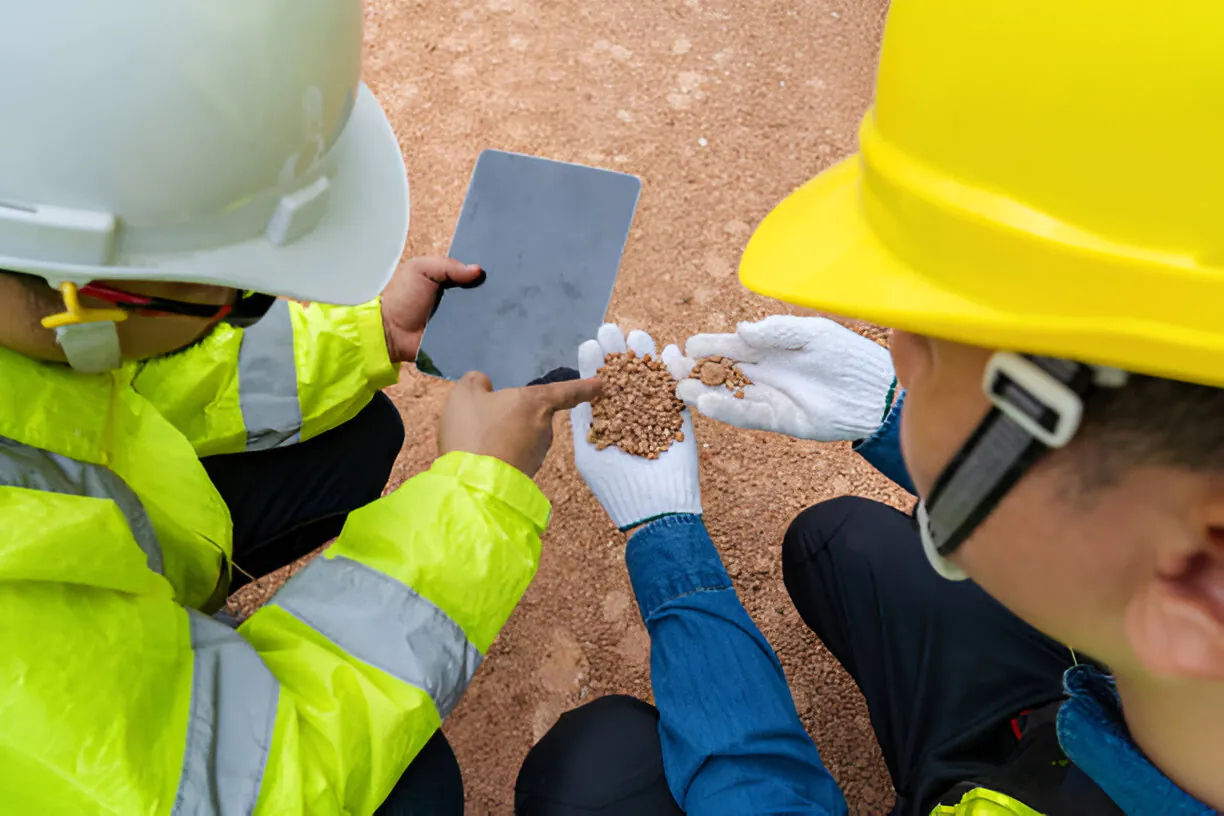
One of the first factors to consider when selecting materials is their environmental durability. Climate conditions such as moisture, temperature fluctuations, and exposure to sunlight can significantly impact the performance of building materials. For example, materials that are highly resistant to water, such as concrete or treated wood, are ideal for areas with heavy rainfall or high humidity. In contrast, if the structure is located in a region prone to extreme heat or cold, materials that can withstand thermal expansion and contraction—like certain metals or composites—are more appropriate. Understanding the local climate and weather conditions will guide your material choices, helping you avoid costly repairs or replacements down the line.
Material Strength and Longevity
The strength of materials directly affects the overall durability of the structure. For foundational elements such as floors, walls, and roofs, it's essential to opt for materials that can bear heavy loads and resist physical damage. Concrete, steel, and engineered wood are excellent options for providing structural strength. However, the material's longevity also depends on its resistance to corrosion, degradation, and rot. For instance, untreated wood is prone to rotting over time when exposed to moisture, while steel may suffer from rust if not adequately protected. By selecting materials that are both strong and resistant to environmental factors, you can ensure a longer lifespan for your build.
Maintenance Requirements
Some building materials require more frequent maintenance than others. For example, wooden siding may need periodic sealing or staining to protect it from water damage and UV rays, while metal roofing might require inspections for rust buildup. Choosing materials that align with your ability to maintain them is crucial for long-term durability. Low-maintenance materials, such as fiber cement or certain types of masonry, are popular for their ability to resist wear without requiring constant upkeep. When deciding on a material, consider how much time, effort, and expense you're willing to invest in maintaining it throughout the years.
Sustainability and Eco-Friendliness
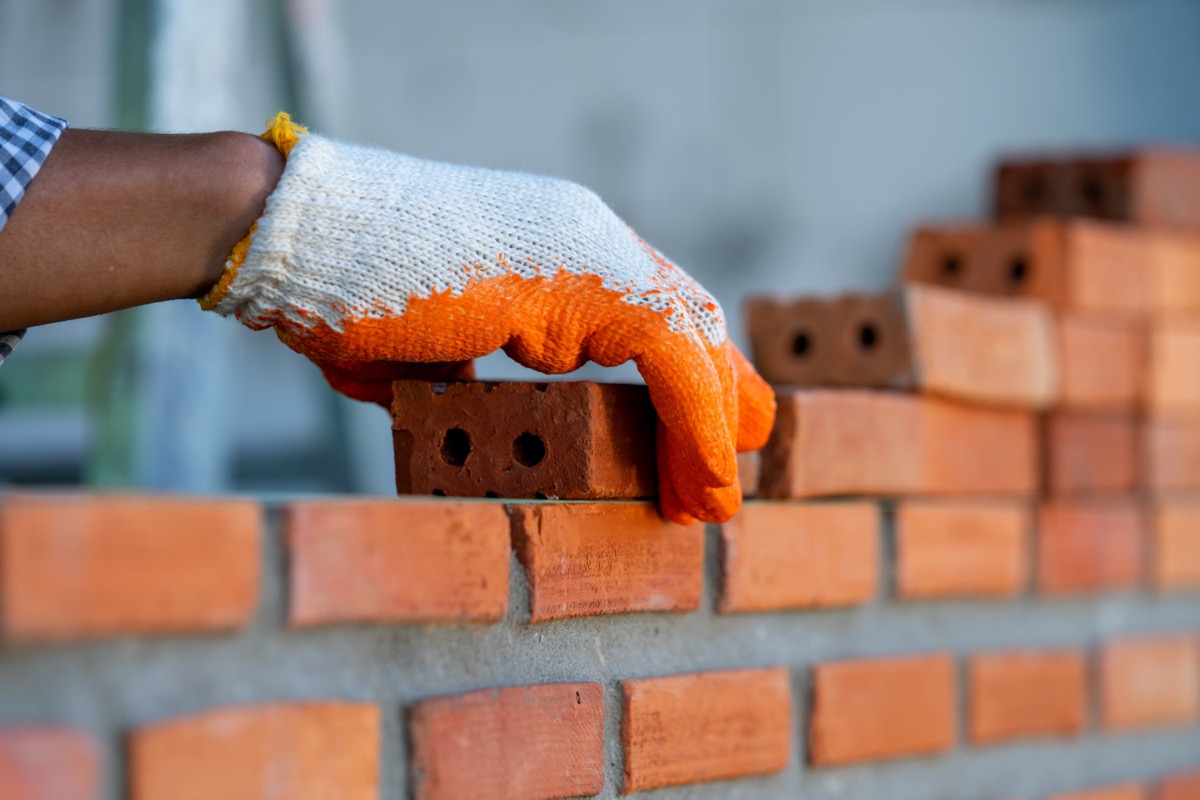
As environmental awareness grows, sustainable materials have become an important consideration in construction. Not only do eco-friendly materials often have a lower environmental impact, but they can also contribute to the energy efficiency of the building. For example, materials with high thermal mass, like concrete or stone, can help regulate indoor temperatures by absorbing and releasing heat. Similarly, choosing recycled materials or sustainably sourced timber can reduce the overall carbon footprint of the construction. As sustainability becomes a key factor in construction, selecting eco-conscious materials helps not only the environment but can also result in long-term cost savings through improved energy efficiency. Check out here to know more.
Cost and Availability
While durability is the main priority, the cost and availability of materials are also practical considerations. Certain materials may be more expensive but offer superior longevity and performance, while others may be more budget-friendly but require more maintenance. It’s important to strike a balance between your budget and the durability of the material. Additionally, consider the availability of materials in your region, as some materials might be scarce or difficult to obtain, which could lead to delays or higher costs. Opting for materials that are readily available in your area can prevent unexpected expenses and ensure a smoother construction process.
Aesthetic Appeal
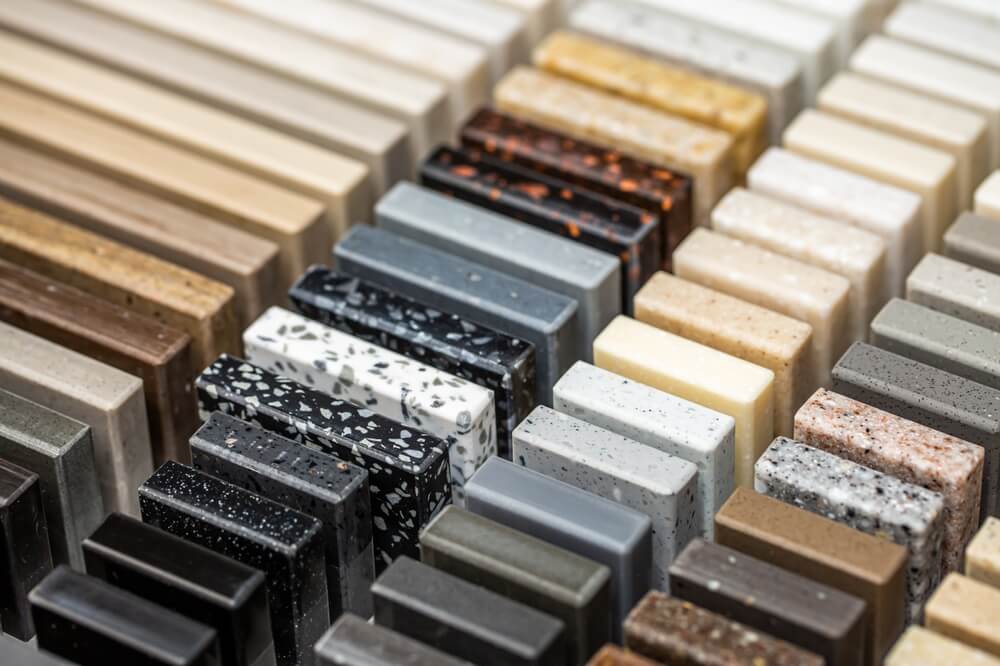
Though not as directly related to durability, the aesthetic qualities of materials are important for creating a visually appealing structure that suits its intended purpose. Certain materials, like natural stone or hardwood, can offer timeless beauty and add a sense of luxury to a building, while others, such as modern composite materials, provide sleek, contemporary finishes. The right materials should not only withstand the test of time in terms of strength and maintenance but should also align with the design and purpose of the structure.
Conclusion
Choosing the right materials for a durable, long-lasting build requires thoughtful consideration of various factors, from environmental conditions to cost and aesthetic preferences. By selecting materials based on their strength, longevity, maintenance requirements, and sustainability, you can create a structure that stands firm for many years. Keep in mind that every project is unique, and finding the ideal balance between durability, cost, and design will ultimately lead to a successful build.