Traditional Chinese Medicine (TCM) has been used for centuries to support overall balance and wellbeing. In modern wellness settings, some people explore TCM alongside conventional care when addressing fertility and reproductive health concerns. Its approach generally considers factors such as lifestyle, stress, sleep, nutrition, and individual patterns rather than focusing on a single symptom. Common approaches may include acupuncture, herbal medicine, dietary guidance, and lifestyle practices. Fertility support can involve complex physical and emotional factors, making individualized care particularly important. TCM should therefore be viewed as a complementary approach rather than a replacement for appropriate medical evaluation and treatment.

Understanding the TCM Perspective
TCM traditionally views reproductive wellbeing as part of the body's broader balance. Practitioners may assess factors such as energy, circulation, digestion, sleep quality, emotional wellbeing, and menstrual patterns when developing an individualized approach. Rather than applying one standard method to everyone, treatment plans are often tailored according to the person's reported symptoms and overall constitution. This holistic perspective can encourage greater attention to everyday habits that may influence general wellbeing.
Acupuncture and Fertility Support
Acupuncture is one of the most recognized TCM practices associated with reproductive health. It involves inserting very thin needles into specific points on the body. Some people seek acupuncture as a complementary practice during fertility care, particularly for relaxation and general wellbeing. Research into acupuncture and fertility has produced mixed findings, and evidence does not establish it as a standalone treatment for infertility. Individuals considering acupuncture should discuss it with their fertility specialist, particularly when undergoing assisted reproductive procedures or taking fertility medications.
Herbal Medicine and Individualized Care
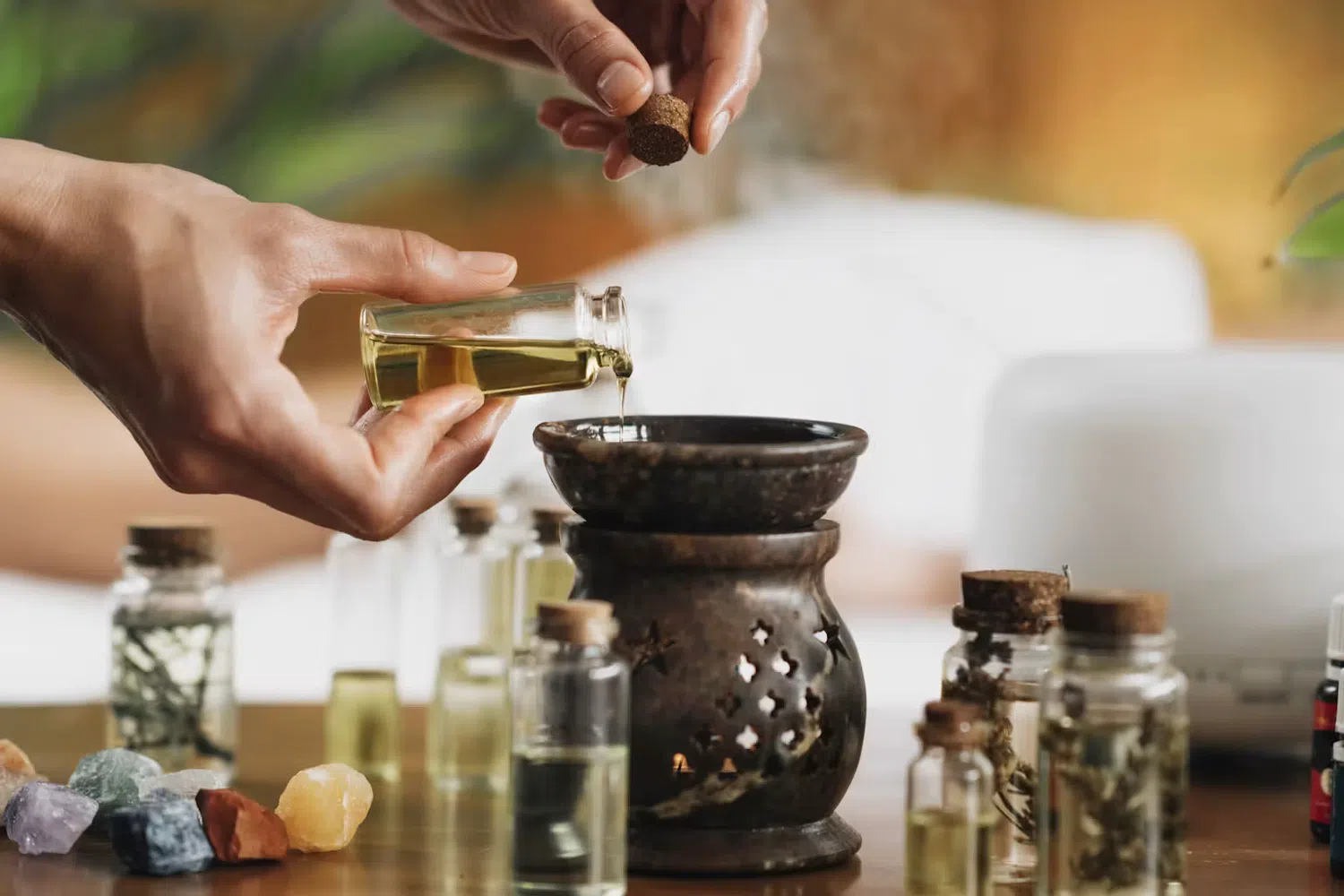
TCM herbal medicine may be recommended according to an individual's symptoms and traditional diagnostic assessment. Different herbal combinations may be used within TCM to address patterns involving menstrual cycles, digestion, stress, or general vitality. However, herbal products can interact with medications and may not be appropriate during pregnancy or fertility treatment. For this reason, reproductive health concerns should be discussed with qualified healthcare professionals before using any herbal preparation. Professional supervision is particularly important when conventional fertility medicines are being taken.
Supporting Menstrual Wellbeing
Menstrual cycle patterns can provide useful information when discussing reproductive health. TCM practitioners may consider cycle length, flow, discomfort, mood changes, and other symptoms as part of an overall assessment. Complementary practices may focus on relaxation, dietary habits, sleep, and stress management alongside traditional treatments. Keeping a consistent record of menstrual patterns can also help individuals communicate useful information to their healthcare providers.
Managing Stress and Emotional Wellbeing
Fertility concerns can be emotionally demanding, particularly when individuals experience prolonged uncertainty or undergo repeated medical procedures. TCM-based practices such as acupuncture, breathing exercises, gentle movement, and relaxation routines may help some people manage stress. Stress reduction should not be presented as a cure for infertility, but supporting emotional wellbeing can be valuable during fertility care. Building healthy sleep habits, maintaining social support, and seeking professional mental health support when needed can also contribute to overall wellbeing.
Nutrition and Lifestyle Considerations
TCM approaches commonly emphasize the relationship between daily habits and overall health. Balanced nutrition, regular physical activity, sufficient sleep, hydration, and appropriate stress management can support general reproductive wellbeing. Dietary recommendations should be personalized carefully, especially for people with medical conditions or specific nutritional requirements. Conventional nutritional guidance remains important, particularly when pregnancy is being planned or fertility treatment is underway. Visit here to know more - https://www.orientalremediesgroup.com/tcm-clinic/

Complementary Care With Medical Treatment
Fertility problems can result from many factors affecting either partner, including reproductive conditions, hormonal issues, age-related changes, anatomical concerns, and other medical factors. A medical fertility evaluation can help identify potential causes and appropriate treatment options. TCM may be considered as a complementary wellness practice when coordinated with qualified healthcare providers. Open communication between practitioners can help reduce the risk of medication interactions or conflicting recommendations.
Making Informed Choices
TCM offers several traditional approaches that some individuals may explore for reproductive wellbeing, including acupuncture, herbal practices, dietary guidance, and stress-management techniques. However, evidence varies considerably between different approaches and fertility conditions. Individuals should seek qualified practitioners, disclose all medications and treatments, and avoid replacing evidence-based fertility evaluation with complementary care alone. A coordinated approach can help people make informed decisions while keeping safety and reproductive health at the center of their care.