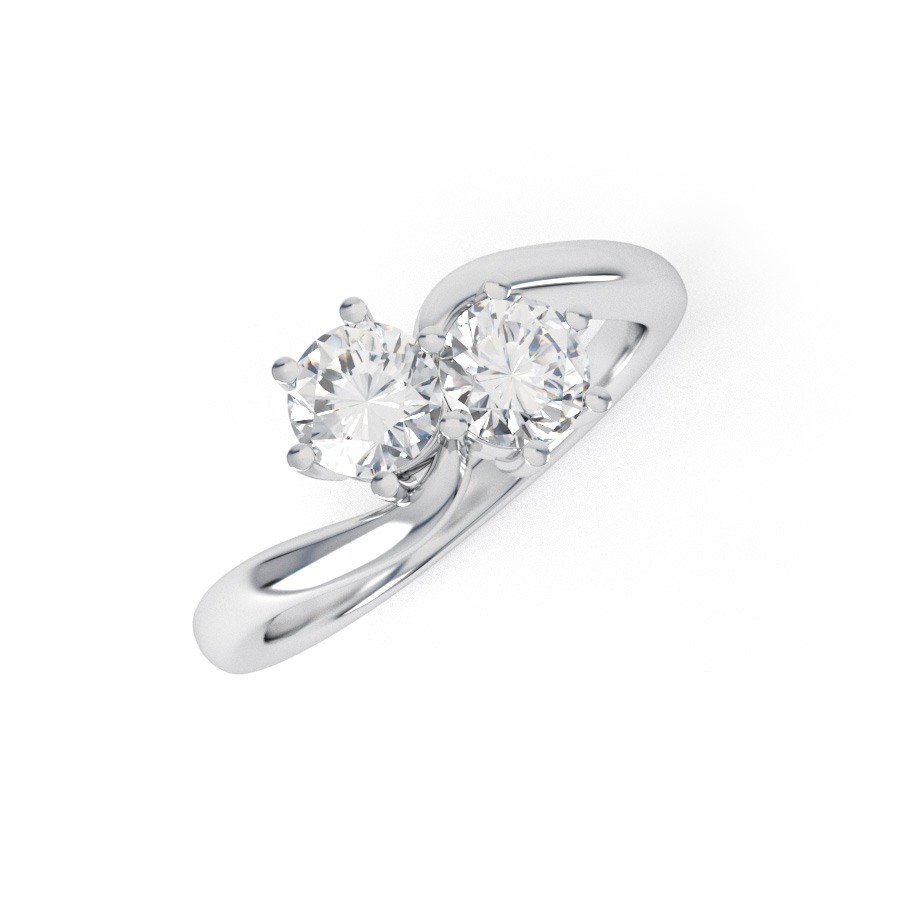
The search for the perfect diamond set wedding rings is simultaneously one of the most personal and most practical decisions of the wedding planning process. Personal, because this ring will be worn every single day. Practical, because it needs to accommodate real life — work, exercise, sleep, and the decades of change that follow the wedding day. This guide helps you navigate both dimensions clearly.
Starting with the Wearer, Not the Ring
The most common mistake buyers make when shopping for a diamond wedding band is starting with the ring itself rather than the person who will wear it. The most beautiful ring in any jeweller's display is worthless if it doesn't suit the wearer's hand, their lifestyle, or how they feel comfortable expressing themselves.
Before looking at specific designs, ask: Is the wearer someone who loves jewellery and engages with it consciously, or someone who wants something they can put on and forget about? Are they in a profession or hobby that involves physical work with their hands? Do they have strong preferences about metal colour, design complexity, or stone size?
Lifestyle Considerations That Actually Matter
Active Lifestyles and Physical Work
For wearers who work with their hands — in healthcare, catering, construction, sport, or similar fields — the ring setting needs to be genuinely practical. Pavé settings, while beautiful, have small raised stones that can catch on gloves or equipment. Channel-set or rub-over settings sit far more flush with the band and are significantly more resistant to daily knocks.
Comfort Fit Profiles
The inside profile of a wedding band matters more than most buyers realise. A 'comfort fit' ring has a gently domed interior, which reduces the contact area with the finger and makes the ring significantly more comfortable to wear continuously. For a ring worn every day for life, this is worth prioritising.
Band Width
Narrower bands (2–3mm) suit smaller hands and fingers, pair well with elaborate engagement rings, and tend to feel less noticeable during daily wear. Wider bands (4–6mm) make a stronger visual statement and suit larger hands or those who prefer their wedding band to stand on its own as a centrepiece piece.
The Complementary Pairing Principle
One of the most useful frameworks for choosing wedding rings is the complementary pairing principle: the wedding band should complement the engagement ring rather than compete with it. This doesn't mean they need to be identical in style — it means they should share a visual language that makes them look intentional together.
A round-brilliant solitaire in platinum is complemented beautifully by a simple pavé band in platinum — the matching metal and simple design language let the solitaire remain the hero. An art deco-style engagement ring with milgrain detailing might pair better with a band that picks up that same vintage vocabulary than a sleek modern channel-set design.
Trying Rings Together Before Buying
Wherever possible, bring your engagement ring to any wedding band consultation. The only reliable way to assess compatibility is to see both rings on the same finger at the same time. What looks harmonious in isolation can clash in combination, and what seems too simple on its own can be exactly right alongside an elaborate engagement ring.
Many specialist jewellers keep a range of 'fitting' bands specifically for this purpose — narrow, wide, curved, and straight — to help customers understand which proportions suit them best.
Budget Allocation for Wedding Bands
There is no universal rule about what proportion of the overall jewellery budget should go to a wedding band, but a useful starting point is that the band should look proportionately considered relative to the engagement ring. A very modest band alongside a significant engagement ring can look unintentional; so can an elaborate band alongside a simple solitaire.
Diamond set bands command a range of price points depending on stone quality, total carat weight, setting complexity, and metal. A beautiful half-eternity in 18ct gold with well-matched VS-clarity diamonds is achievable at a wide range of budgets without compromising on the things that will be visible in daily wear.
Conclusion
The right diamond wedding band is the product of honest self-knowledge about the wearer and careful thought about how it will function over a lifetime of daily wear. Start with the person, understand the practical constraints, and then find the design that genuinely fits. That sequence — personal first, aesthetic second — consistently produces better outcomes than starting with whatever happens to look most impressive in a display case.
Frequently Asked Questions
1. Should a wedding band match the engagement ring exactly?
Not necessarily. The goal is complementary rather than identical — shared metal colour, compatible proportions, and a design language that makes the two rings look intentional together. An exact match can sometimes feel less interesting than a thoughtfully chosen pairing.
2. What band width suits smaller hands?
Narrower bands in the 2–3mm range generally suit smaller or more slender hands better, both visually and in terms of comfort. Wider bands can overwhelm a smaller hand and may be less comfortable for daily wear over time.
3. What is a comfort fit wedding band?
A comfort fit ring has a gently rounded interior profile rather than a flat one. This reduces the contact area with the finger, making the ring noticeably more comfortable for extended wear — particularly important for a band worn continuously.
4. Is it better to buy the engagement ring and wedding band from the same jeweller?
Buying from the same jeweller makes matching easier and allows for the creation of perfectly fitted pairs. However, it isn't essential — what matters is that the two rings look considered together, regardless of their origin.
5. When should I buy the wedding band relative to the wedding?
Ideally, allow at least two to three months before the wedding date. Custom or bespoke commissions may require longer. Buying early also allows time for any adjustments, resizing, or exchanges if needed.