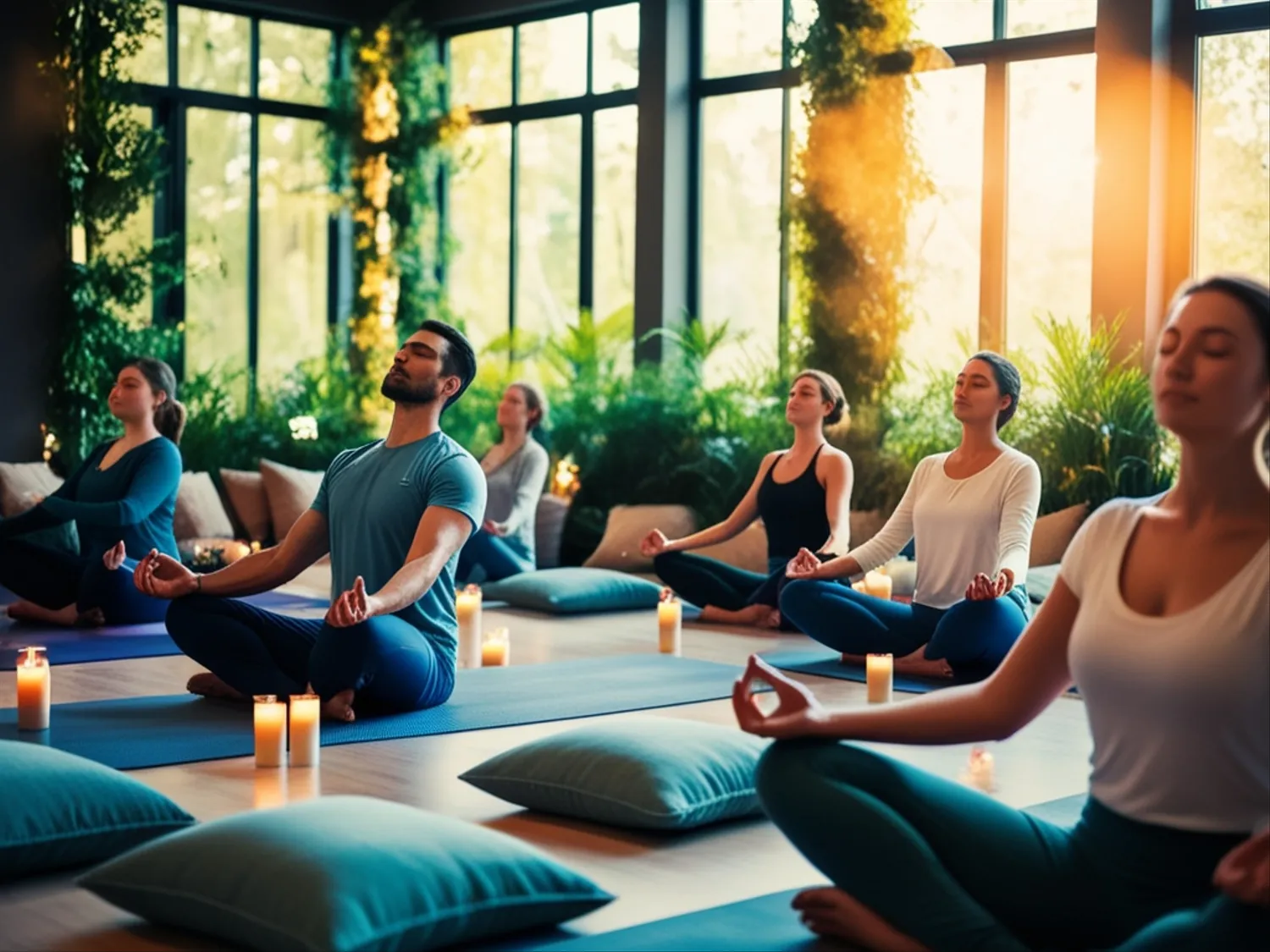
As a student, it's easy to become overwhelmed with the demands of school, work, and personal life. The constant pressure to perform well academically, maintain a social life, and manage responsibilities can take a toll on your mental and physical well-being. That's why it's important for students to have effective relaxation techniques in their arsenal to help manage stress and promote overall wellness. In this article, we will explore five relaxation techniques that every student should know, including deep breathing exercises, progressive muscle relaxation, mindfulness and meditation, guided imagery, and yoga and stretching. Additionally, we will discuss the importance of time management and organization, as well as creating a relaxing environment to support these relaxation practices.
Key Takeaways
- Deep breathing exercises can help students relax and reduce stress
- Progressive muscle relaxation can help release tension and promote relaxation
- Mindfulness and meditation can improve focus and reduce anxiety
- Guided imagery can help students visualize a peaceful and calming environment
- Yoga and stretching can help release physical tension and promote relaxation
Deep Breathing Exercises
Deep breathing exercises are a simple yet powerful relaxation technique that can be done anywhere, at any time. By focusing on your breath and taking slow, deep breaths, you can activate the body's relaxation response and reduce stress and anxiety. One effective deep breathing exercise is the 4-7-8 technique, where you inhale for 4 seconds, hold your breath for 7 seconds, and exhale for 8 seconds. Another technique is belly breathing, where you focus on breathing deeply into your diaphragm rather than shallow chest breathing. By incorporating deep breathing exercises into your daily routine, you can improve your ability to manage stress and stay calm in challenging situations.
Progressive Muscle Relaxation is another effective relaxation technique that involves tensing and then relaxing different muscle groups in the body. This technique helps to release physical tension and promote relaxation. To practice progressive muscle relaxation, start by finding a quiet and comfortable space to sit or lie down. Begin by tensing the muscles in your feet for 5-10 seconds, then release and relax the muscles for 20-30 seconds. Continue this process, moving up the body to the calves, thighs, abdomen, arms, and so on. By systematically tensing and relaxing each muscle group, you can release built-up tension and promote a sense of calm and relaxation throughout your body. Incorporating progressive muscle relaxation into your daily routine can help reduce physical tension and improve overall well-being.
Mindfulness and Meditation
Mindfulness and meditation are powerful tools for promoting relaxation and reducing stress. Mindfulness involves paying attention to the present moment without judgment, while meditation involves focusing the mind and eliminating distractions. By practicing mindfulness and meditation, students can improve their ability to manage stress and stay focused on their studies. One simple mindfulness practice is mindful breathing, where you focus on your breath and bring your attention back to the present moment whenever your mind starts to wander. Meditation can take many forms, such as guided meditation, loving-kindness meditation, or body scan meditation. By incorporating mindfulness and meditation into your daily routine, you can improve your ability to stay calm and focused in the face of academic and personal challenges.
Guided imagery is another relaxation technique that involves using your imagination to create a peaceful and calming mental image. By visualizing a serene and tranquil scene, such as a beach or a forest, you can promote relaxation and reduce stress. To practice guided imagery, find a quiet and comfortable space to sit or lie down. Close your eyes and imagine yourself in a peaceful setting, using all of your senses to create a vivid mental image. By immersing yourself in this calming mental image, you can promote relaxation and reduce stress levels. Incorporating guided imagery into your daily routine can help you manage stress and improve your overall well-being.
Yoga and Stretching
Yoga and stretching are effective relaxation techniques that can help reduce physical tension and promote relaxation. Yoga involves a series of poses and movements that focus on strength, flexibility, and breathing. By practicing yoga regularly, students can improve their physical and mental well-being. Additionally, stretching can help release tension in the muscles and promote relaxation. By incorporating yoga and stretching into your daily routine, you can improve your flexibility, reduce physical tension, and promote overall relaxation.
Time Management and Organization
Effective time management and organization are essential for reducing stress and promoting relaxation as a student. By prioritizing tasks, setting realistic goals, and managing your time effectively, you can reduce the feeling of being overwhelmed and improve your ability to stay calm under pressure. Additionally, staying organized by keeping track of assignments, deadlines, and commitments can help reduce stress and promote a sense of control over your academic and personal life.
Creating a Relaxing Environment
Creating a relaxing environment is essential for promoting relaxation as a student. By surrounding yourself with calming elements such as soft lighting, soothing music, comfortable furniture, and natural elements like plants or flowers, you can create a peaceful space that promotes relaxation. Additionally, minimizing clutter and creating a clean and organized space can help reduce stress and promote a sense of calm. By incorporating these relaxation techniques into your daily routine and creating a relaxing environment to support them, you can improve your ability to manage stress and promote overall well-being as a student.
In conclusion, as a student it's important to have effective relaxation techniques in your arsenal to help manage stress and promote overall wellness. By incorporating deep breathing exercises, progressive muscle relaxation, mindfulness and meditation, guided imagery, yoga and stretching into your daily routine, as well as practicing effective time management and organization and creating a relaxing environment to support these practices, you can improve your ability to manage stress and stay calm in challenging situations. These relaxation techniques are powerful tools for promoting relaxation and reducing stress as a student, helping you to stay focused on your studies while maintaining your mental and physical well-being.
FAQs
What are relaxation techniques?
Relaxation techniques are practices or activities that help to reduce stress, promote calmness, and improve overall well-being. These techniques can include deep breathing, meditation, progressive muscle relaxation, and more.
Why are relaxation techniques important for students?
Students often face high levels of stress due to academic pressure, social challenges, and other responsibilities. Learning and practicing relaxation techniques can help students manage stress, improve focus, and enhance their overall mental and emotional well-being.
What are some common relaxation techniques for students?
Some common relaxation techniques for students include deep breathing exercises, progressive muscle relaxation, guided imagery, mindfulness meditation, and yoga. These techniques can be easily incorporated into a student's daily routine.
How can students learn and practice relaxation techniques?
Students can learn and practice relaxation techniques through various means such as attending workshops, using mobile apps, watching online tutorials, or seeking guidance from a counselor or mental health professional. It's important for students to find the techniques that work best for them.
Are there any potential benefits of relaxation techniques for students?
Yes, there are several potential benefits of relaxation techniques for students, including reduced stress and anxiety, improved concentration and focus, better sleep quality, enhanced self-awareness, and overall improved mental and emotional well-being.