Fuel is often the largest or second-largest operating expense for marine vessels of all types, including commercial ships, fishing boats, passenger ferries, and recreational fleets. Yet many operators still treat fuel use as a cost of doing business rather than a metric to be actively measured, analyzed, and managed. Ignoring fuel trends the patterns of how fuel is consumed over time, under different conditions, and across varying operational scenarios can result in missed opportunities for savings, unanticipated expenses, and lower profitability. In a market where margins are tight and fuel prices are volatile, overlooking fuel trends can quickly erode your bottom line.
Fuel Trends Tell a Story About Operational Efficiency
Fuel trends are more than numbers on a chart; they reflect how a vessel is being used and how efficiently it operates. Trends can reveal whether fuel consumption is increasing due to seasonal weather patterns, changes in voyage profiles, engine wear, or even crew practices such as excessive idling and inconsistent speeds. Without tracking and analyzing these trends, fleet managers are left guessing about causes of rising fuel costs and may implement solutions that miss the real issues. Understanding how fuel usage evolves over time enables more informed decisions about routing, vessel assignments, and maintenance scheduling.
The Cost of Reactive vs. Proactive Fuel Management
Many operators adopt a reactive approach to fuel costs, responding only when expenses spike or budgets are exceeded. This approach can mask underlying inefficiencies because it fails to identify patterns before they become expensive problems. Proactive fuel management, on the other hand, relies on continuous monitoring of fuel trends so that anomalies are detected early and addressed quickly. Rather than waiting for quarterly reports or annual reviews, fleets that monitor trends in real time can adjust operations mid-voyage and avoid costly inefficiencies before they compound.
How Fuel Trends Affect Voyage Planning and Scheduling
Fuel consumption varies significantly with factors like speed, load, sea conditions, and route selection. Without analyzing fuel trends, voyage planning becomes a shot in the dark. Two trips that cover the same distance can have very different fuel costs depending on currents, wind, and vessel condition. By analyzing historical fuel trends in conjunction with environmental data, captains and shore teams can select routes and speeds that balance efficiency with schedule commitments. Failing to do so may lead to avoidable overconsumption and higher costs per voyage, negatively affecting profitability.
Identifying Inefficiencies Through Trend Analysis
Trend analysis can uncover inefficiencies that might otherwise go unnoticed. For example, a sudden upward shift in fuel consumption might indicate a developing engine issue, fouled hull, or sensor malfunction. When fuel trends are not tracked, these early signals may be missed until they become major problems requiring expensive repairs or causing extended downtime. By detecting subtle changes in fuel usage patterns, crews and maintenance teams can intervene early, reducing repair costs and enhancing operational reliability.
Behavioral Factors That Fuel Trend Monitoring Highlights
Crew practices have a significant impact on fuel consumption. Unnecessary idling, inconsistent throttle management, and deviation from suggested operating procedures all contribute to higher fuel use. Trend monitoring highlights patterns associated with these behaviors, allowing managers to implement targeted training and standardize efficient practices. When operators ignore fuel trends, they miss opportunities to align behavior with performance goals, resulting in sustained inefficiencies and higher long-term costs.
Integration With Maintenance and Performance Metrics
Fuel trends also intersect with maintenance performance. Engines that are poorly tuned or overdue for servicing often consume more fuel than necessary. Trend analysis can reveal when a vessel’s fuel efficiency begins to degrade, prompting maintenance actions before failures occur. Ignoring trends delays these interventions, increasing the chance of breakdowns, rushed repairs, and unexpected costs. Monitoring trends provides a data-backed approach to predictive maintenance that aligns performance and cost objectives.
Budgeting and Financial Forecasting Depend on Accurate Trend Data
For fleet operators, accurate budgeting is essential. Fuel is a major line item in any operational budget, and unexpected variances can disrupt financial planning. Historical fuel trends provide a reliable foundation for forecasting future fuel needs and expenses. Operators who ignore these trends are forced to rely on estimates and crude averages, often resulting in budgeting shortfalls or excessive safety margins that tie up capital unnecessarily. With precise trend data, finance teams can build fuel budgets that reflect real operating conditions and improve financial predictability.
The Role of Integrated Fuel Monitoring Technologies
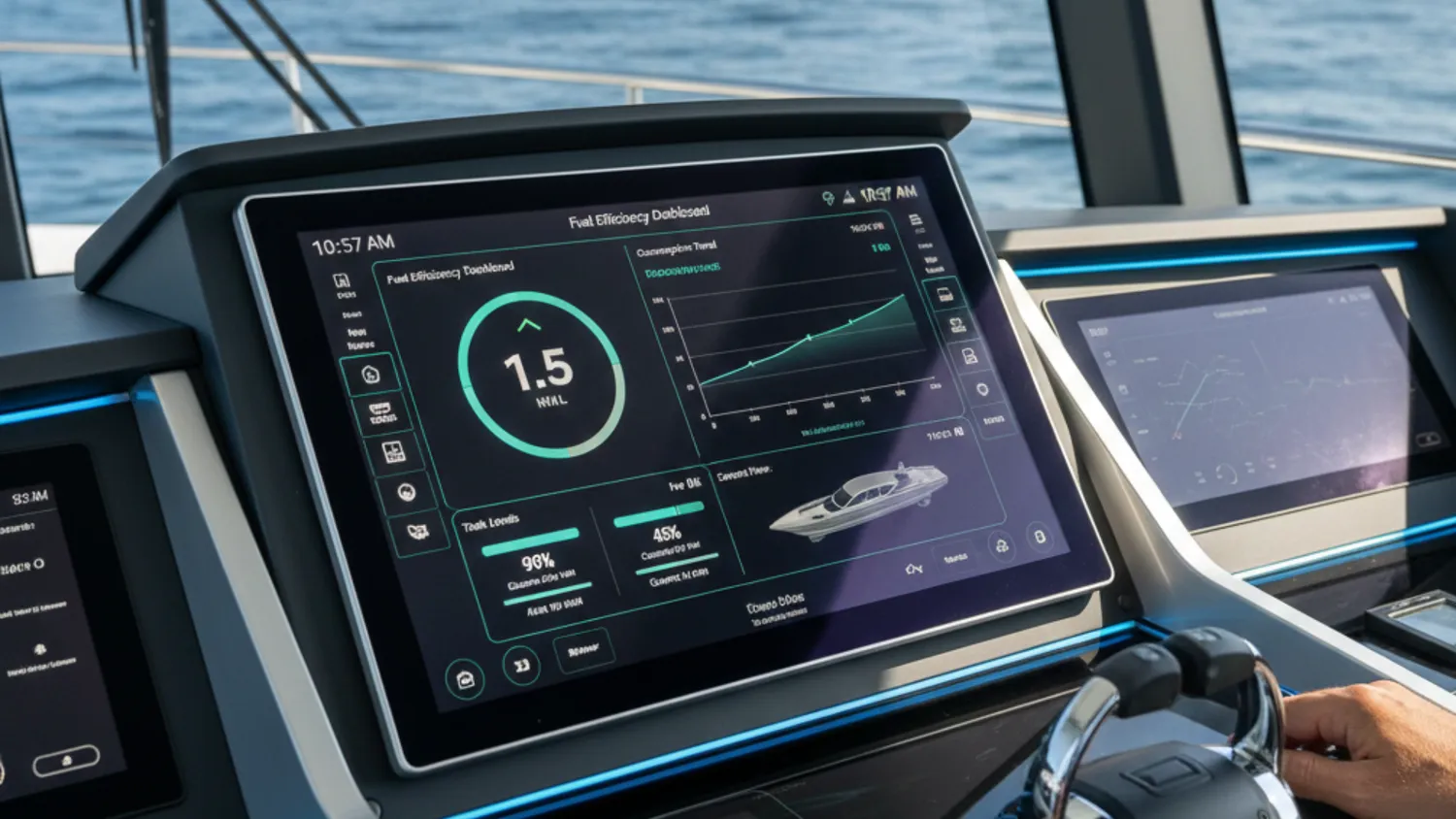
Tracking fuel trends manually is both impractical and error-prone, especially for fleets with multiple vessels or long voyages. Modern tracking and analytics tools automate data collection, making trend analysis accessible and reliable. Technologies such as flow meters, engine sensors, and performance software provide continuous, accurate data streams that feed into dashboards and analytical platforms. A comprehensive boat fuel management system brings this data together, enabling crews and managers to visualize trends, compare performance across vessels, and identify opportunities for improvement without manual effort.
Environmental and Compliance Implications of Fuel Trends
Fuel trends are also closely linked to emissions, which have regulatory and environmental implications. Higher than expected fuel consumption corresponds to higher emissions of CO₂ and other pollutants. Ignoring fuel trends can therefore lead to compliance issues, fines, or reputational risks as environmental regulations tighten globally. By monitoring how fuel use changes over time, operators can implement measures to reduce emissions, align with sustainability goals, and demonstrate responsible stewardship to regulators and customers alike.
Competitive Advantage Through Fuel Trend Management
In sectors where margins are slim and competition is fierce, operators who leverage fuel trend data gain a meaningful advantage. Better insight into fuel patterns enables smarter pricing, improved customer commitments, and tighter cost control that competitors may lack. Operators who ignore trends cede this advantage, risking higher costs and lower margins that erode competitiveness over time.
Conclusion: Trends Are More Than Numbers, They’re Strategic Signals
Fuel trends are not abstract metrics; they are strategic signals that reveal the true cost of maritime operations. Ignoring these signals leaves fleets blind to inefficiencies, at risk of unexpected costs, and vulnerable to poor decision-making. By actively tracking, analyzing, and acting on fuel trends, operators can uncover savings, improve operational efficiency, and enhance performance at every level. In today’s market, where every dollar counts and sustainability matters, understanding fuel trends is not optional — it’s a fundamental aspect of smart, competitive fleet management.