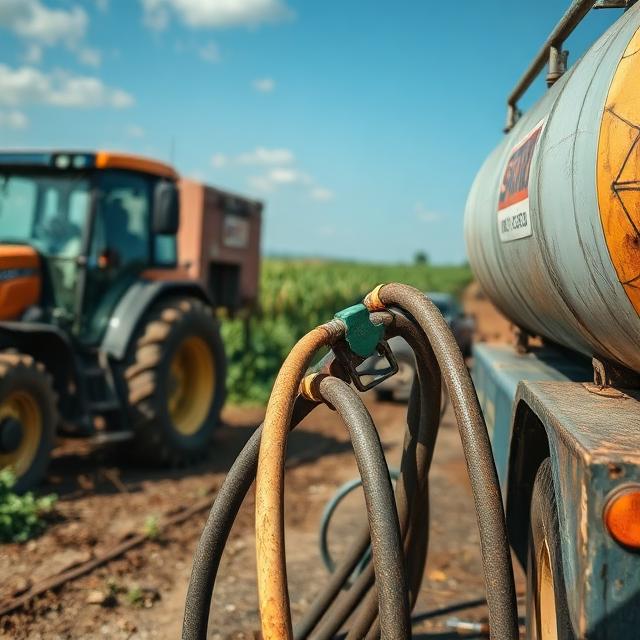
Farming in the UK has always required a good plan, but as we move through April 2026, the cost and supply of energy have become more important than ever. From the diesel that powers your tractors to the oil that keeps the farmhouse warm, every drop of fuel counts toward your farm's success.
Global events earlier this year have caused fuel prices to jump, and the government is making changes to fuel taxes. To help you stay ahead, this guide explains how to manage your UK farming fuel and what you need to know about the current market.
The Current State of Farm Fuel
In April 2026, the price of fuel across the UK is a major topic in every farm yard. Following the "oil shock" in March—caused by conflict in the Middle East—prices for crude oil spiked. This has trickled down to the yard, with red diesel often costing around 120p per litre. Because the UK now relies more on imported refined fuel, these global shocks hit our farms much faster than they used to.
As a farmer, your best tool is information. Understanding that prices can change in a single morning will help you decide when to fill your tanks and when to wait.
Working with Farm Fuel Suppliers
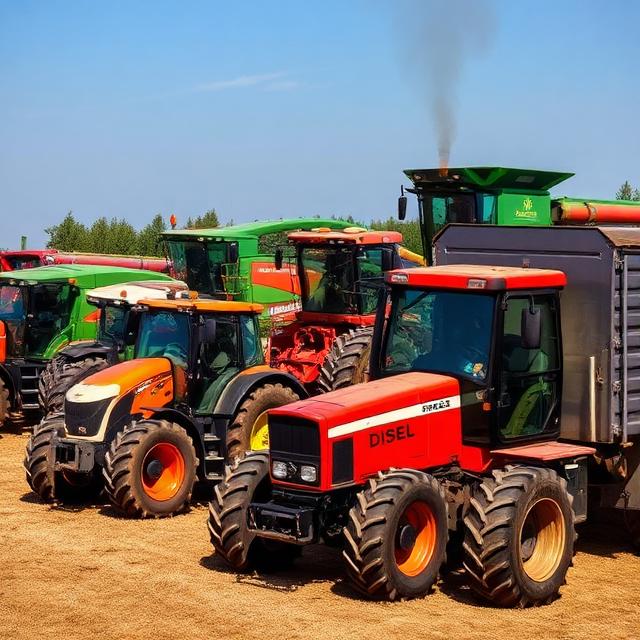
Having a strong relationship with your farm fuel suppliers is about more than just a delivery truck appearing on time. In a fast-moving market, you need a supplier who is honest about prices and can give you a firm "spot price" the moment you call.
Reliable suppliers now offer more than just fuel; they offer advice. Many use "smart tanks" that monitor your levels for you. These sensors tell the supplier when your tank is getting low, ensuring a farm fuel delivery is scheduled before you run dry. This prevents the high costs and stress of needing an emergency drop during a busy week of drilling or harvesting.
Planning for Red Diesel Delivery
Most of the heavy work on a farm is powered by red diesel. This fuel is dyed red to show it is taxed at a lower rate for off-road use. When you book a red diesel delivery, you must be careful to use it only for legal farm tasks, such as cultivating land or gritting roads in winter.
There is a big change coming to fuel taxes later this year. The government is ending the temporary 5p duty cut in three stages:
- September 1, 2026: Duty rises by 1p.
- December 1, 2026: Duty rises by another 2p.
- March 1, 2027: A final 2p rise.
Planning your bulk orders ahead of these dates in August and November can save you a lot of money on your tax bill.
Industrial Heating Oil for the Yard
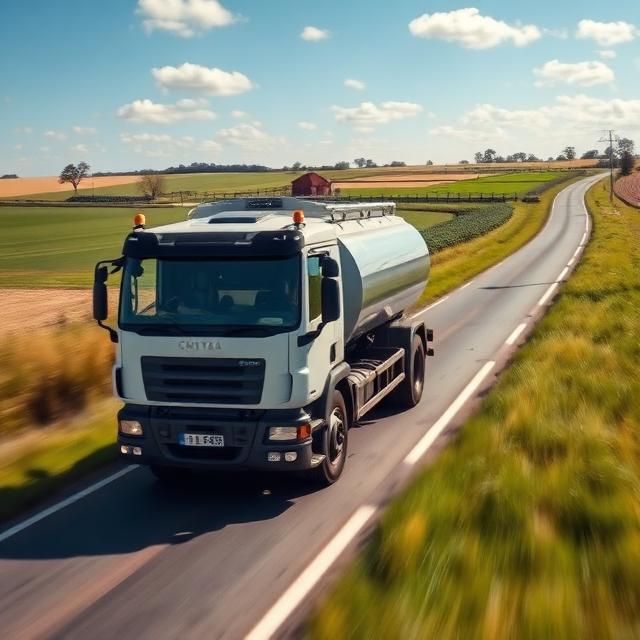
If your farm dries its own grain or keeps livestock sheds at a steady temperature, you likely use a lot of heat. For these tasks, you might order industrial heating oil. This is a special fuel made specifically for big boilers and heaters rather than mobile engines.
It is often more cost-effective than using red diesel for heating, and most industrial oil suppliers can deliver it alongside your other fuels. Using the right fuel for the right job is a simple way to keep your energy budget under control.
Domestic Fuel Delivery for the Farmhouse
Keeping the farmhouse warm is just as vital as keeping the tractors running. Because most UK farms are off the main gas grid, the home relies on domestic heating oil, also known as kerosene.
Prices for kerosene have been at record highs this spring. To save money, many farm families try to coordinate a domestic fuel delivery at the same time as a farm drop. This is called a "split-load." By getting your home heating oil and your farm diesel in one visit, you can often negotiate a better price and reduce the number of heavy tankers driving on your farm tracks.
Protecting Your Fuel Supply

With fuel being so expensive in 2026, your storage tank is a valuable target. It is important to keep your fuel safe and clean:
- Storage: UK law says any farm storing over 1,500 litres must use a "bunded" tank (a tank inside a tank) to prevent leaks.
- Security: Keep your tanks locked and, if possible, in a well-lit area near the farmhouse to prevent fuel theft.
- Quality: Modern diesel contains more plant-based "bio" ingredients, which can attract water. Using additives is a simple way to stop "diesel bug" (a thick slime) from growing in your tank and clogging your machinery.
Summary
Managing a farm in 2026 is a balancing act. By watching the market, booking your fuel deliveries before tax hikes, and keeping your stock safe, you can protect your business from the "shocks" of the global energy market. Whether you are powering a busy harvest or warming your home, a simple and smart fuel plan is the key to a successful year.