Families searching for the best family restaurant in Bangkok need more than a varied menu. Children's ages, seating requirements, dietary restrictions and travel plans can change which restaurant suits a particular outing.
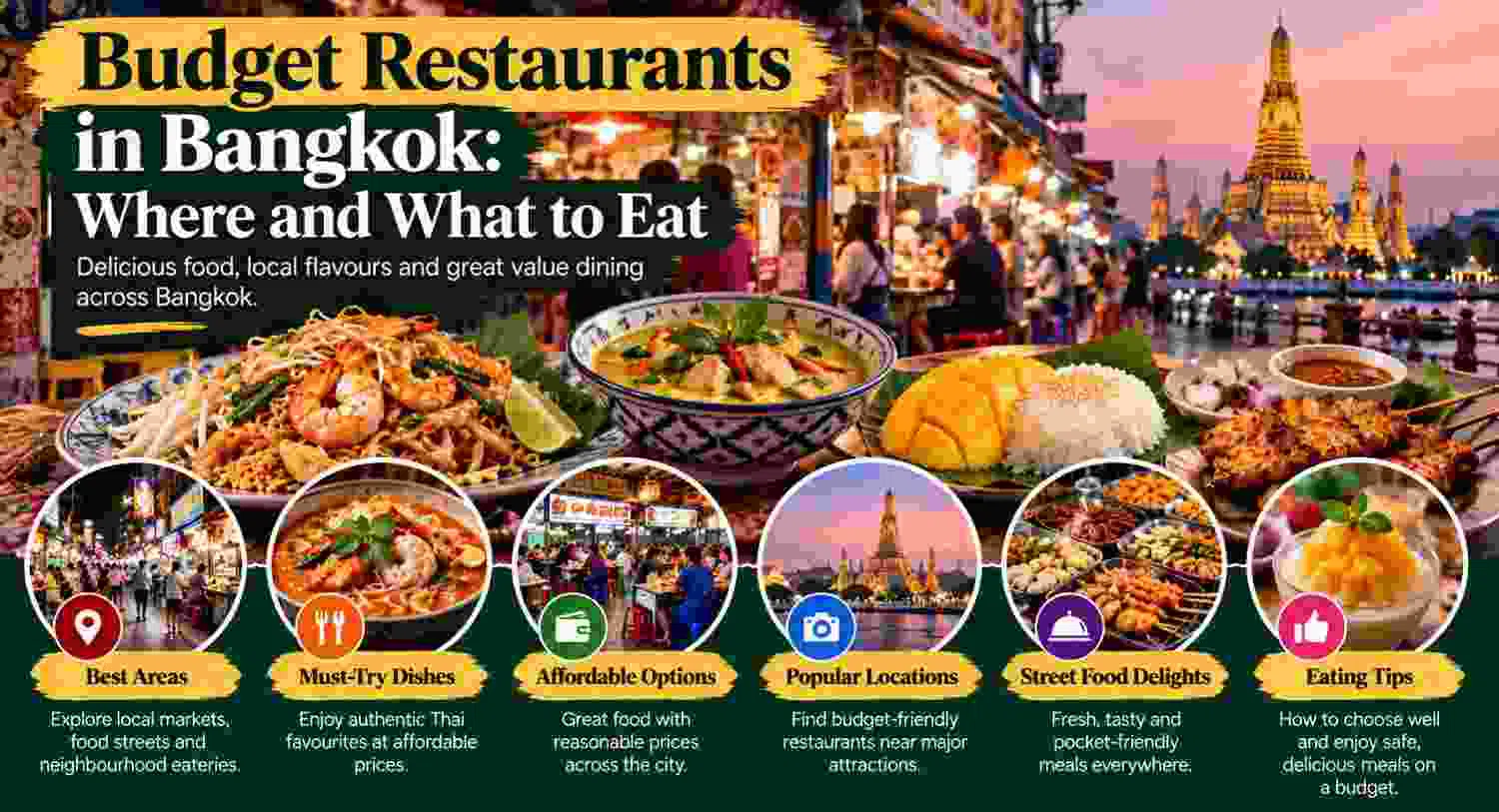
Bangkok offers casual Thai eateries, Indian restaurants, food courts and other international choices, but their arrangements differ considerably.
For example, parents travelling with toddlers may prioritise space and meal timing, while larger groups may need accessible tables and shareable dishes.
Ultimately, the strongest choice combines suitable food with confirmed facilities, manageable costs and a practical location.
What Makes a Restaurant Suitable for Families?
A family-friendly restaurant meets the practical needs of its guests rather than relying on a label or a high customer rating.
Essential Features and Optional Extras
A suitable table, clear menu, and manageable waiting time often matter more than decorative attractions. However, families differ in what they need.
Consider these details before selecting a restaurant:
Flexible seating: Ask whether tables can accommodate the entire group without separating younger children from accompanying adults.
Menu clarity: Look for descriptions of ingredients, sauces, spice levels and portion sizes, especially when several generations share a meal.
Suitable access: Check entrances, steps and internal space if anyone uses a pushchair, wheelchair or mobility aid.
Practical facilities: Confirm high chairs, child-changing arrangements or accessible toilets only when your family specifically needs them.
Clear costs: Compare main courses with drinks, sides, service charges and any additional expenses before setting a dining budget.
Additionally, play spaces and dedicated children's menus may appeal to some families. Nonetheless, neither is essential for every group, and availability requires confirmation.
Why the Same Restaurant May Suit Families Differently
A couple with one school-aged child may value a quick meal with several familiar options. In contrast, a multigenerational party may require comfortable seating and quieter conversation.
Similarly, a restaurant beside a planned attraction can reduce unnecessary travel. Yet distance alone cannot compensate for unsuitable food or inaccessible premises.
Matching Restaurant Choices to Children's Ages
In practice, age affects seating, appetite, and the time a family can comfortably spend at a table. Individual preferences still matter more than assumptions.
Babies, Toddlers and Preschool Children
For instance, parents of babies may need room for feeding equipment or a pushchair. Confirm available space and appropriate seating before travelling.
Toddlers sometimes follow established eating and rest schedules. Therefore, checking opening times and expected waiting arrangements may prevent avoidable disruption.
For preschool children, portion flexibility and familiar ingredients can simplify ordering. However, parents should check textures and ingredients against each child's needs.
School-Aged Children and Teenagers
Similarly, school-aged children may enjoy choosing between rice, noodles, grilled dishes, and curries. Menu descriptions help families identify options without guessing about unfamiliar seasoning.
Teenagers may prefer larger portions or independent choices. Consequently, a menu offering individual mains alongside shared dishes can serve mixed appetites.
Do not assume every child dislikes spice. Instead, ask whether the kitchen can describe heat levels and accommodate preferences.
Dining With Grandparents and Older Relatives
Meanwhile, older family members may prioritise comfortable chairs, stable tables and convenient access. Some also have dietary or mobility requirements.
Ask about stairs, seating arrangements and toilet access where relevant. Photographs alone rarely establish whether a particular layout meets someone's needs.
Choosing Food Everyone Can Enjoy
Bangkok's varied dining scene includes Thai, Indian and other international cuisines. Families should compare actual menus rather than assume broad cuisine labels guarantee suitable dishes.
Thai Food for Family Meals
Rice and noodle dishes can offer straightforward individual meals. For example, fried rice commonly combines rice with selected vegetables, egg, or protein.
Noodle soups may suit diners who prefer softer textures, although broth ingredients and seasonings vary. Likewise, stir-fried dishes may contain sauces with unfamiliar ingredients.
Thai curries have different chilli levels and flavour profiles. Ask about seasoning rather than assuming a particular colour means mild food.
A shared table might combine one vegetable dish, a protein dish, and rice. However, confirm whether the restaurant serves sharing portions.
Indian Food as a Family Dining Option
Likewise, Indian cuisine offers both individual and shared meal possibilities. Lentils, paneer, chicken curries, rice and flatbreads provide contrasting textures and flavours.
Common Indian dishes worth considering include:
Dal: Lentil preparations range from relatively light sauces to richer versions containing butter or cream.
Paneer curry: Fresh Indian cheese absorbs the flavours of spinach, tomato, or other sauces; it contains dairy.
Chana masala: Chickpeas in a seasoned gravy offer a different texture from cheese or meat dishes.
Butter chicken: A tomato-based chicken preparation often includes cream or butter, so check dairy requirements.
Chicken tikka: Marinated, grilled chicken contrasts with sauce-based curries and may work as a shared starter.
Biryani: Fragrant rice with vegetables or meat can serve as a substantial main, depending on portion size.
Plain naan or roti can accompany a curry, while rice may suit diners who prefer a different texture. Yet bread ingredients vary.
For example, a family can balance rich and lighter preparations instead of ordering several similar gravies. Check current availability before planning around specific dishes.
Children's Meals, Portions and Spice Preferences
A familiar dish name does not establish its heat, texture, or serving size. Clear questions can prevent unsuitable orders.
Managing Seasoning Without Losing Choice
Indeed, some children enjoy strongly seasoned dishes, while others prefer plainer flavours. Ask what the kitchen normally serves before requesting changes.
For example, grilled chicken and plain rice may provide a different choice from a curry. Nevertheless, marinades can contain chilli, dairy or allergens.
Sauces on the side may help when a restaurant offers that arrangement. However, do not assume a kitchen can modify every preparation.
Ordering Appropriate Portions
Before ordering, ask whether mains serve one person or support sharing. A small child's appetite may not justify a full adult portion.
Meanwhile, older children may prefer individual meals. Compare the overall order rather than automatically selecting the largest available set.
Vegetarian, Vegan and Allergy Considerations
Similarly, mixed-diet families need accurate ingredient information. A menu's vegetarian label does not necessarily establish vegan suitability or freedom from allergens.
Dairy: Indian paneer contains milk, while some curries and breads include yoghurt, butter or cream.
Wheat: Naan, roti and many other breads contain gluten-bearing flour, so check alternatives and preparation practices.
Nuts: Certain gravies and desserts include nuts or nut-based pastes; ask about sauces and garnishes.
Thai condiments: Fish sauce and shrimp paste can appear in vegetable-focused dishes, alongside possible meat-based stocks.
Eggs: Noodles, fried rice, baked goods, and some breads may contain egg even when meat is absent.
For significant allergies, explain the restriction clearly and ask about shared utensils, work surfaces and cooking oil.
Moreover, dietary requirements may differ within one family. Choosing a restaurant that can answer ingredient questions matters more than a vague dietary symbol.
Seating, Ambience and Practical Comfort
Restaurants that appear attractive in photographs may not fit every group. Layout, sound and available space shape a family's practical choices.
Space and Seating Arrangements
For larger groups, check whether a restaurant can seat a large group together. Strollers or mobility aids may require additional clearance beside tables.
Where necessary, enquire about high chairs and whether staff can position them safely. Never assume such equipment appears at every family-oriented venue.
Noise, Ventilation and Waiting
For some families, a lively dining room may suit an informal celebration, while a quieter setting may help relatives who find conversation difficult in noise.
Similarly, air conditioning or open-air ventilation may affect comfort during Bangkok's warm weather. Verify the actual dining arrangement before arrival.
Long waits can also interfere with children's meals or medication schedules. Ask about reservations and usual procedures without assuming guaranteed seating.
Finding Family Dining Near Bangkok Attractions
A convenient restaurant should fit the family's actual route. Bangkok's neighbourhoods cover different attractions, shopping streets and transport options.
Phra Nakhon, Khao San Road and the Grand Palace
For instance, Phra Nakhon contains the Grand Palace, while Khao San Road sits within its Banglamphu neighbourhood. Phahurat occupies another part of the historic district.
Consequently, a Phra Nakhon address does not guarantee a short walk between any two places. Check the exact street location against your itinerary.
As a result, families visiting temples may prefer to eat before a longer journey. Others may need a convenient meal close to their accommodation.
Siam, Sukhumvit and Silom
Siam's shopping districts offer indoor dining choices, while Sukhumvit spans several commercial and residential neighbourhoods. Silom combines business streets with varied restaurants.
Compare transport convenience, seating and menu suitability within each area. A restaurant farther away may cost more once travel enters the calculation.
Calculating the Full Cost of a Family Meal
Menu prices do not always describe the final expenditure. Family size and ordering style can change the total considerably.
Check these items before deciding:
Mains and sides: Determine whether rice, bread, or vegetables come with the dish or require separate orders.
Children's portions: Ask about smaller servings without assuming a reduced-price children's menu exists.
Drinks: Include beverages and any desserts in the planned budget, particularly for larger groups.
Charges: Confirm applicable taxes, service fees, and any special group arrangements.
Travel: Consider transport costs and the convenience of returning to accommodation afterwards.
For example, sharing can reduce duplicate orders when portion sizes allow it. However, individual plates may offer better value for different diets or appetites.
Checking Reviews and Planning a Visit
Online customer ratings can help families shortlist restaurants, but averages cannot confirm individual facilities or guarantee a suitable meal.
Which Review Details Matter?
In particular, look for recent, specific comments about table arrangements, waiting, menu accuracy, and food descriptions. Review volume also helps contextualise an average score.
A family's favourable experience may reflect needs unlike yours. Therefore, verify essential facilities directly rather than treating one review as a promise.
Lunch, Dinner and Celebrations
Meal timing should reflect children’s schedules, group size and planned activities. Neither lunch nor dinner automatically provides shorter waits or lower prices.
For birthdays or reunions, ask about group tables, booking policies and special requests. Do not assume private rooms or celebration packages exist.
Considering Mama Restaurant for an Indian Family Meal
Mama Restaurant lists an Indian cuisine location on Chakkraphet Road in Wang Burapha Phirom, Phra Nakhon, within Bangkok's Phahurat area.
Its published restaurant information emphasises northern Indian cuisine. However, families should verify current dishes, seating arrangements, and any facilities required for children.
The restaurant's local presence offers a relevant option for families interested in Indian food. It does not establish an independently verified ranking as Bangkok's best family restaurant.
Questions to Resolve Before Leaving
Before leaving, confirm the address, current opening information, meal availability, and currently accepted payment methods. Then ask about any seating, access, or dietary requirements that could affect the visit.
For a large party, clarify booking arrangements and the likely total cost. Families with small children should also plan around their usual mealtimes.
Ultimately, a restaurant suits a family when verified details match that group's needs, not merely because its marketing describes a family-friendly setting.
Conclusion
The best family dining choice in Bangkok depends on a group's actual requirements. Children may need suitable portions and seating, while older relatives may prioritise access and comfort.
A varied menu means little without reliable ingredient information, and a low main-course price may conceal a larger bill.
Whether considering Thai food, Indian cuisine or another option, confirm current arrangements before visiting. Matching menu, facilities, location and budget offers a more useful basis for selecting a restaurant than an unsupported ranking.
FAQs
How can families choose a suitable restaurant in Bangkok?
First, consider the group's ages, preferred cuisines, specific dietary needs, and planned location. Check current menus, portions, seating, and opening information. Then compare the full cost and recent reviews. A restaurant with suitable food and practical access may serve your family better than one with a higher average rating.
What facilities should parents check before dining with toddlers?
Ask about high chairs, pushchair space, toilets, and changing facilities if those features matter. Check table arrangements and expected waiting procedures, particularly around the child's usual mealtime. Restaurants differ in their facilities, so request confirmation instead of assuming every venue that welcomes families supplies specialist equipment.
Which types of restaurants suit children with different food preferences?
For example, restaurants offering clear descriptions of rice, noodles, mild curries, grilled dishes and vegetables may help families compare suitable choices. Individual preferences matter more than broad cuisine labels. Ask about chilli, sauces, textures, and portion sizes. Confirm whether staff can accommodate changes, since kitchens cannot necessarily modify every recipe.
Can families find vegetarian and Indian dining options in Bangkok?
Yes. Indian dining options may include lentils, paneer, chickpea curries and breads, while Thai menus may feature tofu or vegetables. However, paneer contains milk, and Thai sauces sometimes contain fish ingredients. Verify actual menus and preparation methods before assuming a dish meets vegetarian, vegan or allergy requirements.
What should large families confirm before booking a restaurant?
Give the restaurant the correct party size and ask whether everyone can sit together. Confirm reservation procedures, table arrangements, meal choices and any conditions for groups. If children need high chairs or relatives require accessible seating, mention those needs when enquiring. Check whether the venue applies additional charges.
How can tourists choose family dining near Bangkok attractions?
Compare each restaurant's actual address with your accommodation and sightseeing route. The Grand Palace, Khao San Road, Siam, and Sukhumvit refer to different parts of Bangkok. Consider transport expenses, children's mealtimes and expected walking conditions. Check opening information before travelling, particularly when the family needs specific seating.
What affects the cost of a family restaurant meal?
The number of diners, main dishes, sides, beverages and desserts all influence the bill. Shared portions may cost differently from individual plates. Furthermore, some venues add taxes or service charges. Check current menu prices and ask about extras, group arrangements and transport costs before estimating the total.
What should families with food allergies ask before ordering?
Identify the exact allergen and request ingredient information for sauces, marinades, garnishes and accompaniments. Ask about shared equipment and preparation surfaces, particularly for serious allergies. Milk, nuts, wheat, eggs, and seafood ingredients can appear in unexpected dishes. If staff cannot confirm safety, choose an appropriate alternative.
How useful are online reviews when choosing family restaurants?
Similarly, recent reviews can highlight issues involving waiting times, service, seating, and specific dishes. However, one family's priorities may differ from yours, and facilities can change. Read several detailed comments alongside the overall score. Confirm essential features directly rather than treating online feedback as a guarantee of availability.
What should families verify immediately before visiting?
Confirm the location, operating hours, current menu, and booking arrangements. Ask about children's seating, accessibility, and relevant dietary restrictions where necessary. For a large group, check table availability and additional charges. Also consider travel plans and meal timing so the restaurant fits the family's schedule and practical requirements.