There's a version of every commercial space that works better than the one currently in use. Sometimes the gap is obvious — a layout that made sense when the business first moved in but no longer reflects how the team actually operates, a reception area that doesn't project the brand image the company has grown into, customer-facing spaces that were designed for a different era of how people interact with a business. Other times the gap is subtler but equally real — spaces that function adequately but don't support the productivity, the culture, or the customer experience that the business genuinely needs from its physical environment.
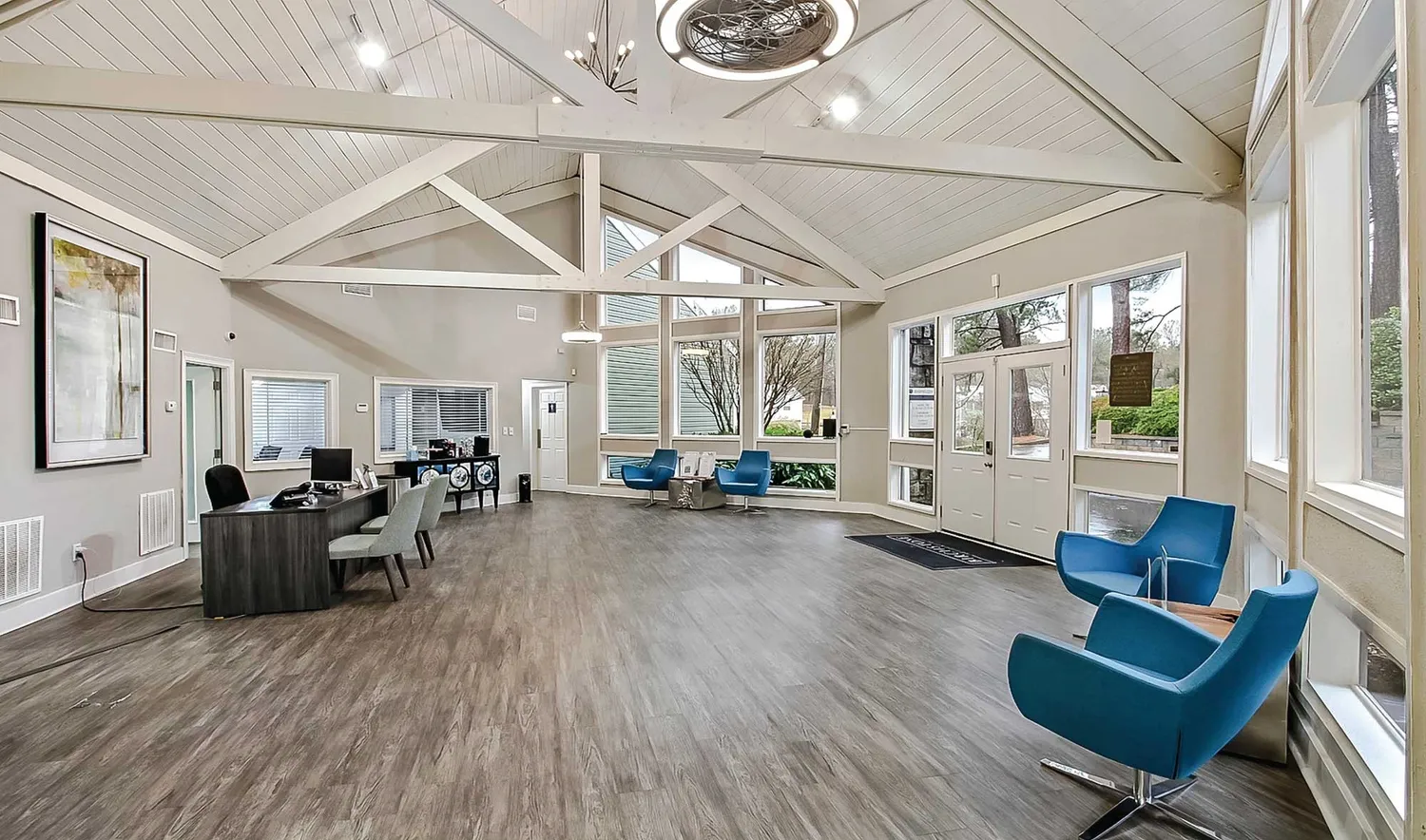
Commercial remodeling is how that gap gets closed. And Makko General Contracting has built its reputation on closing it properly — with the planning rigour, execution quality, and genuine accountability that commercial clients deserve and often struggle to find in a single contractor.
What Commercial Remodeling Actually Involves
Commercial remodeling is not simply construction work applied to a business setting. It's a distinct discipline with its own demands, its own timeline pressures, and its own consequences when things go wrong.
The most significant distinguishing factor is what's at stake during construction. Residential remodeling happens in a space that's temporarily inconvenient. Commercial remodeling happens in a space that often needs to keep functioning — partially or fully — throughout the process. Staff need somewhere to work. Customers may need access to some areas while others are under renovation. Operations that generate revenue need to continue even as the physical environment around them is being transformed.
Managing this complexity well requires more than construction competence. It requires genuine project management — the ability to sequence work intelligently so operational disruption is minimised, to communicate clearly with the business about what's happening and when, and to solve the problems that arise in any live-environment renovation without passing the stress of those solutions to the client.
The regulatory dimension also differs meaningfully from residential work. Commercial properties are subject to building codes, ADA compliance requirements, fire safety standards, and in some cases sector-specific regulatory obligations that residential projects simply don't encounter. Navigating these correctly isn't optional — failure to do so produces certificate of occupancy problems, required remediation, and in some cases liability exposure that nobody wants to be managing after the fact.
Why Commercial Remodeling Services Require Specialist Expertise
The differences between residential and commercial renovation aren't just logistical — they extend into the technical specifications of the work itself.
Commercial spaces experience fundamentally different usage patterns from residential ones. Flooring that would serve a home environment for decades may not withstand the foot traffic, equipment movement, or cleaning regimes that a commercial setting subjects it to. Mechanical systems in commercial buildings serve different scale requirements. Electrical infrastructure needs to support the specific load requirements of the business operations within the space, which vary considerably between a retail environment, a healthcare facility, a restaurant, and an office.
Quality commercial remodeling services address all of this with specifications appropriate to the actual use case rather than applying residential thinking to commercial environments. The materials specified, the systems designed, and the construction methods employed all reflect the reality of what the space will actually experience in daily commercial operation — not just how it will look at handover.
This is the standard the team operates to on every project — understanding the specific operational demands of each client's environment and making design and specification decisions that serve those demands over the long term rather than simply achieving an impressive initial appearance.
The Business Case for Getting This Right
Commercial spaces communicate constantly. They tell customers, employees, and visitors something about the organisation that occupies them — whether that's intentional or not. A well-considered remodel communicates competence, investment in quality, and a genuine commitment to the experience of everyone who uses the space. A poorly executed one communicates the opposite, regardless of how good the business itself actually is.
The financial dimension is equally important. A commercial remodel is a meaningful investment, and the return on that investment is determined as much by how well the project is managed — how closely it lands to budget, how minimal the operational disruption during construction, how long the finished result maintains its quality — as by the quality of the design itself.
Projects that exceed budget significantly, disrupt operations more than anticipated, or produce finishes that deteriorate quickly return considerably less than their investment cost suggests. Projects managed with genuine rigour, delivered within agreed parameters, and built to standards that hold up over years of commercial use return considerably more.
Frequently Asked Questions
Q1. How does commercial remodeling differ from residential renovation?
Commercial projects involve operational continuity during construction, more complex regulatory requirements, and specifications suited to heavier commercial use patterns.
Q2. Can commercial remodeling services be phased to minimise business disruption?
Yes — phased construction sequences are a standard part of commercial project planning to keep operations running throughout the remodel.
Q3. What regulatory requirements apply to commercial remodeling projects?
Building codes, ADA compliance, fire safety standards, and sector-specific regulations typically apply — navigating these correctly is part of the project management process.
Q4. How long does a typical commercial remodeling project take?
Timelines vary significantly by scope — detailed project scheduling during the planning phase provides realistic expectations for each specific project.
Q5. What types of commercial spaces does this cover?
Office spaces, retail environments, restaurants, healthcare facilities, industrial spaces, and most other commercial property types are within scope.
Q6. How do I discuss a commercial remodeling project?
Visit Makko General Contracting to review completed projects and connect with the team directly to discuss your specific requirements.
Conclusion
Commercial spaces that work well don't happen by accident — they're the result of deliberate planning, expert execution, and a contractor who understands what commercial clients actually need from the process. From initial concept through final handover, Makko General Contracting brings the expertise, accountability, and genuine commercial construction knowledge that commercial remodeling services at this level require. Visit our website and start the conversation about transforming your commercial space into one that genuinely serves your business.