Some swear by it, and some swear at it, but we can all agree that email blasting is a marketing activity that is not going anywhere in the near future. So the best approach to dealing with these mixed feelings is to understand how to make an effective email blast.
What is an email blast?
In the simplest form, an email blast (e-blasts) is a mass email sent to many recipients at once. This is often some promotional offer or any other marketing-related email a business sends to its subscribers.
However, it’s not always exclusively for digital marketing purposes. It can be a product update or a policy change, like that recent email from Netflix letting everyone know that the “password-sharing habit” has to come to an end.
Email blasting has been around pretty much as long as emails themselves. However, over time e-blasts evolved into more specific terms like email newsletters, broadcast email, and other types of email names.
Email blast vs. Email campaign
If you’re new to the world of bulk email sending, you might think we’re talking about an email campaign and, for some weird reason, are being fancy by calling it a “blast”… So let’s differentiate the two.
An email campaign is a series of strategic emails sent to a targeted group of recipients over a specific period. These emails aim to nurture the relationship with the recipient, get some brand awareness through constant contact, and in the end, secure a sale.
The main objective of an email blast is to reach as many people as possible with a single email message creating a broad impact and not needing to follow up.
Both have their place in a comprehensive email marketing strategy but have different goals.
Examples of email blasts
- Flash Sale
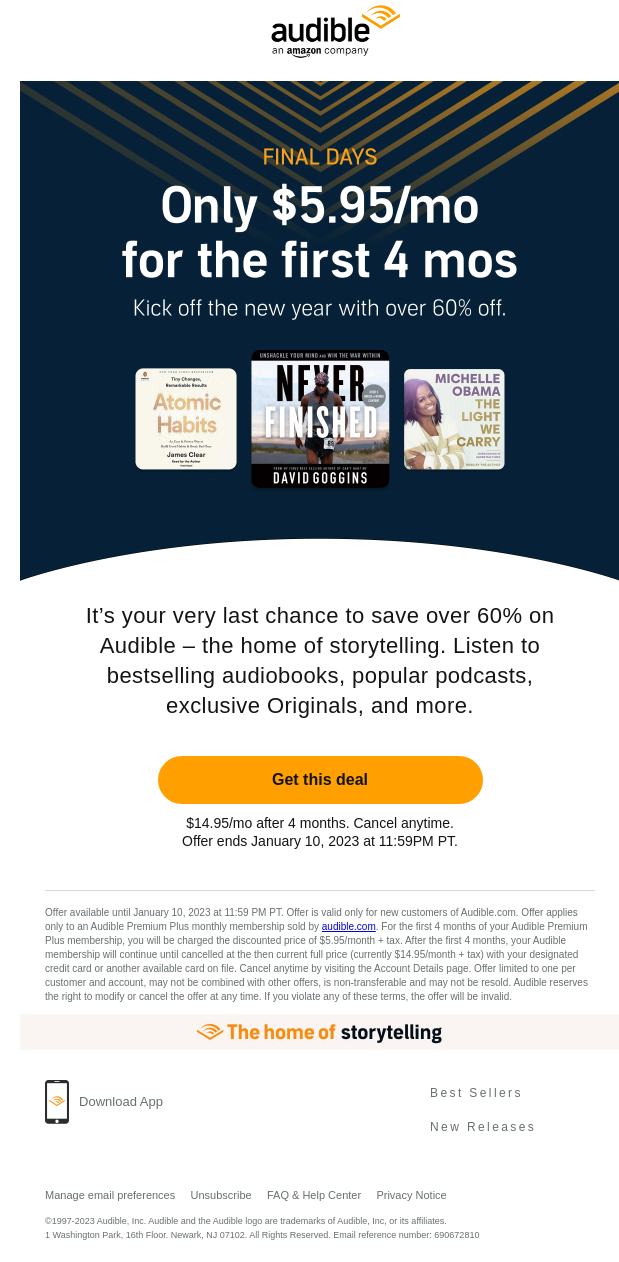
An excellent example is Amazon’s audible flash sale email blast for marketing purposes. The email has a perfect visual hierarchy that conveys its main message, the urgency, the pricing, the benefit, and a visible CTA button right in the middle. No fluff, no-nonsense, straight to the point.
- Newsletter
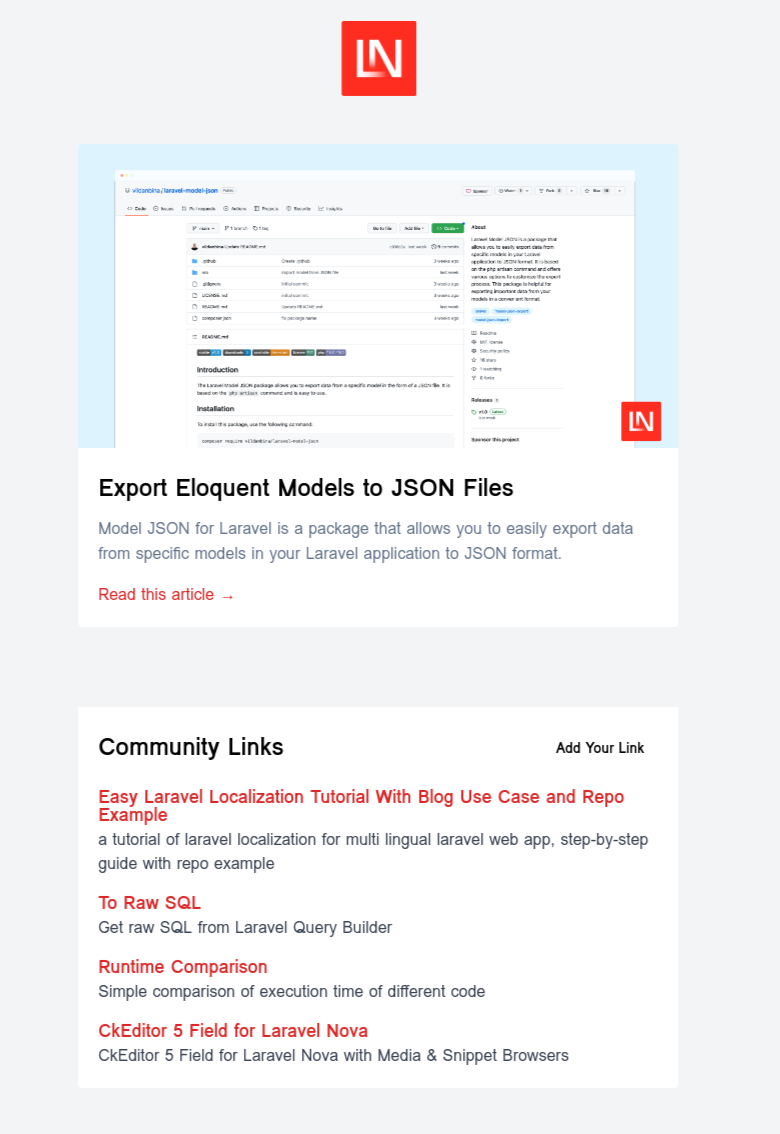
Laravel News, the official blog of Laravel, understands its target audience (developers) and does a great job structuring its newsletters and not wasting anyone’s time. There is no intro or fancy design. They dive straight to the point of presenting a new article with the latest package release notes and this month’s top community links. Emails like these are budget-friendly and easy to create and send with the help of email automation tools.
- Webinar
Here is an example of HubSpot sending out an email blast inviting subscribers to attend a webinar. What’s great about this email is that it’s personalized (addressing the recipient by name), and the entire message of the email is highlighted in the header and bolded in the first sentence. The next part that stands out is the “Meet the Speakers” section which is clearly presented, followed by a CTA underneath.
The key takeaway here is that the recipient needs a few seconds to sufficiently understand what the email is about and not spend a lot of time reading the entire text.

- New Products
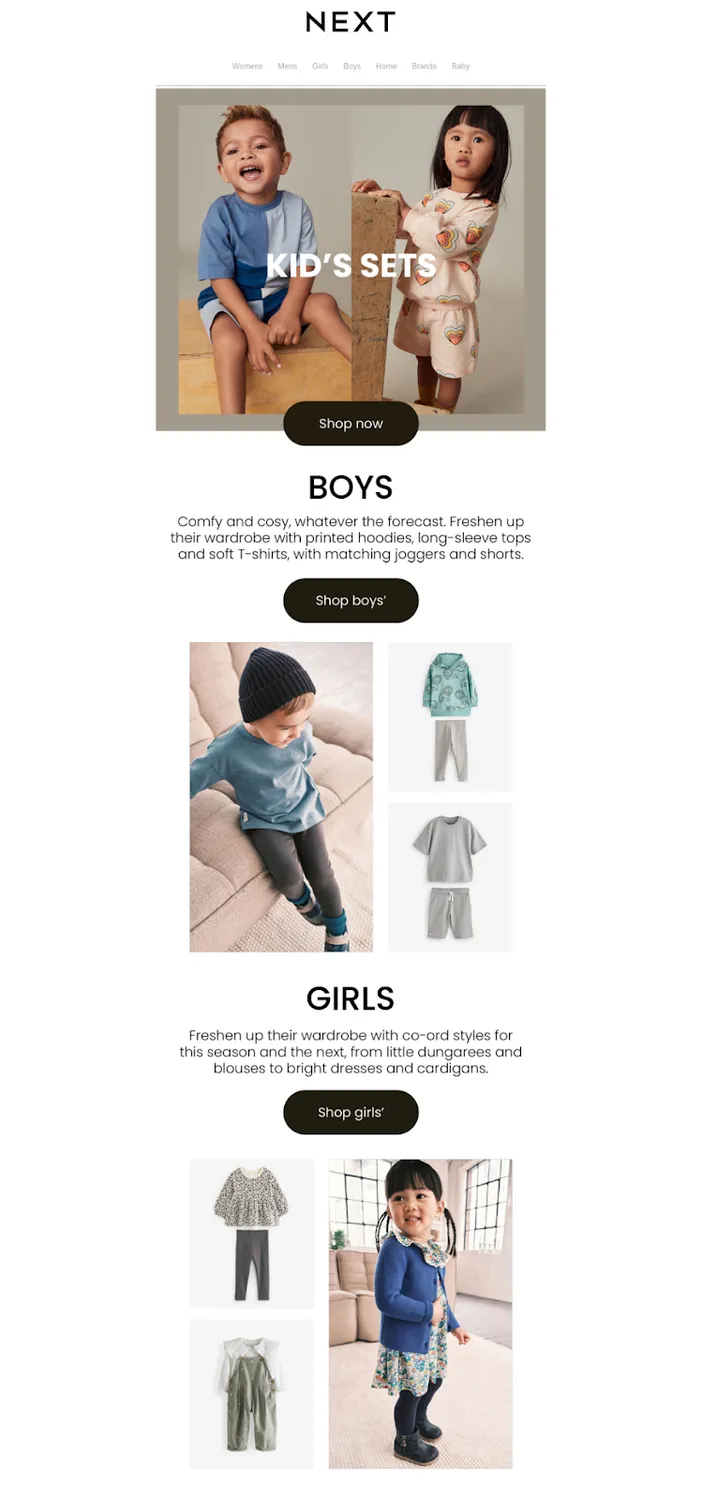
The clothing retailer Next generates a substantial amount of its business from eCommerce activities. So it’s no surprise they make an extra effort to update their community about new products. The email design and copy are nice but nothing otherworldly, right? The cool part is that they do a fantastic job segmenting their audience.
The recipient of this email has been buying adult clothing with Next for a good few years. But recently became a parent, bought some baby onesies a couple of times, and ever since has been getting updates on new kid products.
With toddlers generally outgrowing their clothes every six months or so, factor in seasonal changes, parents make great buyers, and such email blast campaigns are winners in conversion rates.
Benefits of email blasting
Numbers always win, and with e-blasting, the email deliverability and open rates are naturally high once you build a solid subscriber base. Subsequently, this leads to higher conversions at a low cost compared to other marketing channels. The best part is that with the correct email-sending service, it’s easy to measure these metrics and see whether your emails are successful.
The simplicity of getting your email delivered via blasting is another benefit and is often an overlooked one. No complex social media campaigns or posts across multiple platforms that need to be scheduled as stories, shorts, and whatnot. All you need to do is add the addresses from the collected contact list and hit the send button. So whether you’re a small business or a large corporation with tons of marketing automation in place, e-blasts are great for you.
Of course, your message has to be well-crafted, have the right subject line, a good call-to-action button, etc. But the fact is that once that hard part is done, distributing that message is straightforward and quick. Not to mention that if a recipient wants to share the email, it takes one finger motion to expand the message’s reach further.
😢However, it is not all cotton candy, popcorn, sit back and relax when it comes to email blasting.
For many recipients, the messages can just be irrelevant, leading to them quickly deleting the email or transferring it straight to the spam folder. We’ve all done this, especially once we know who the sender is, but still kind of want to get their emails just in case it’s something worthy.
Another reason email blasting gets a bad rep is that your email subscribers know the message was sent to a mass audience rather than to them exclusively. This makes it impersonal and leads to a feeling of detachment from the sender.
So email blasting is not there to be a core approach to your email marketing strategy.
We appreciate the you chose this part of the article to learn the benefits of email blasting. If you want to find what is a good open rate for an email blast, read full vwrsion of the article on Mailtrap blog!