When selecting an asphalt mixing plant, evaluating its adaptability to local aggregate supply conditions is critical for ensuring efficient operations and high-quality output. The suitability of an asphalt plant for specific aggregate types directly influences production efficiency, material quality, and overall project success. This article discusses key factors to consider when assessing how well an asphalt mixing plant can adapt to local aggregate supply conditions.
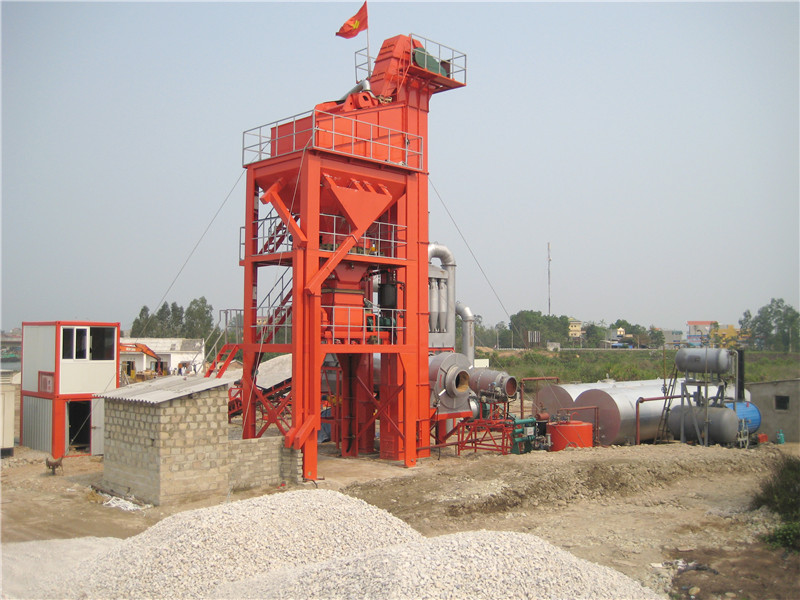
Understanding Local Aggregate Characteristics
The first step in evaluating adaptability is to thoroughly understand the characteristics of local aggregates. Different regions may offer various types of aggregates, including granite, limestone, or recycled materials, each with distinct properties. These properties can significantly affect the mixing process and the final asphalt product.
For instance, the size, shape, and moisture content of the aggregates can influence how they interact with the asphalt binder during mixing. An asphalt mixing plant designed to handle a specific type of aggregate may struggle with others, leading to inconsistencies in the asphalt mix. Therefore, operators should conduct a comprehensive analysis of local aggregate supply to determine compatibility with the plant’s specifications.
Moreover, the availability of local aggregates can fluctuate based on seasonal changes, regional regulations, and market conditions. Understanding these dynamics is crucial for ensuring that the asphalt mixing plant can adapt to potential supply challenges without compromising quality or efficiency.
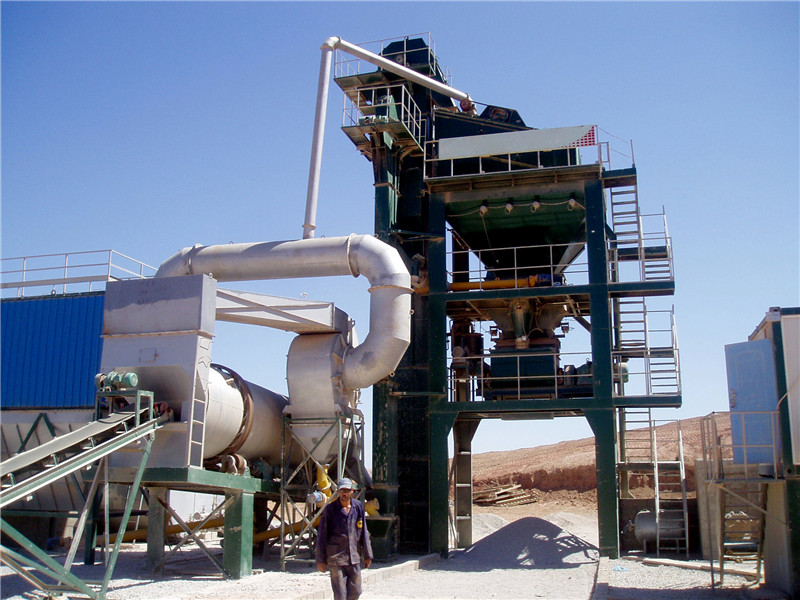
Assessing Plant Design and Features
Once the characteristics of local aggregates are understood, the next step is to assess the design and features of the asphalt mixing plant. Plants come in various configurations, including batch plants, drum mix plants, and mobile units, each with unique capabilities that may affect their adaptability.
For example, batch plants offer flexibility in adjusting aggregate types and proportions, making them suitable for regions with diverse aggregate supplies. On the other hand, drum mix plants, which operate continuously, may require more specific aggregate characteristics to function optimally. Understanding these design differences allows operators to choose a plant that aligns with local aggregate conditions.
Furthermore, features such as adjustable feeders, high-capacity mixing systems, and advanced control technologies can enhance a plant's adaptability. These features enable precise adjustments to accommodate variations in aggregate size and moisture content, ensuring uniformity in the asphalt mix.
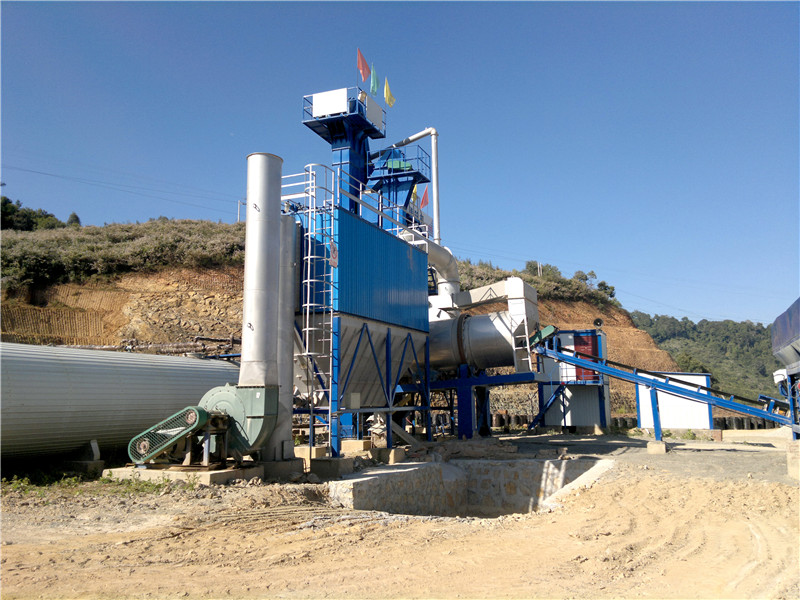
Implementing Quality Control and Testing
To ensure ongoing adaptability to local aggregate conditions, implementing robust quality control measures is essential. Regular testing of both the aggregates and the final asphalt product can identify any issues related to material compatibility. This proactive approach allows operators to make timely adjustments to the mixing process, preserving the quality of the asphalt.
Additionally, training personnel to understand the importance of local aggregate characteristics and their impact on mixing operations can further enhance adaptability. Well-informed operators can quickly respond to changes in aggregate supply conditions, optimizing mixing processes to maintain high-quality outputs.
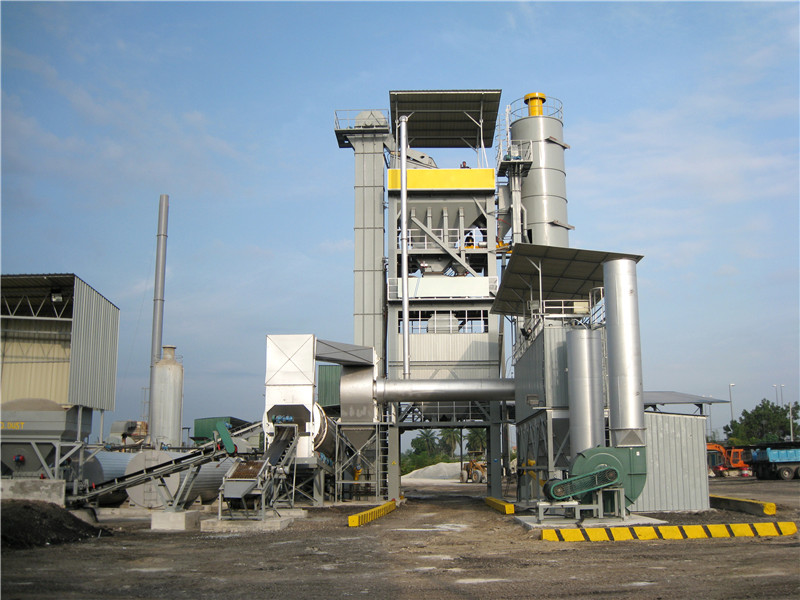
In conclusion, evaluating the adaptability of an asphalt mixing plant to local aggregate supply conditions involves understanding aggregate characteristics, assessing plant design and features, and implementing effective quality control measures. By thoroughly analyzing these factors, operators can ensure that their asphalt mixing plants operate efficiently and produce high-quality asphalt, regardless of local material variations. This strategic approach not only enhances production efficiency but also contributes to the overall success of construction projects.