Over the years, various techniques and grips have been developed to enhance a player's performance on the course. While traditional grips have their merits, the reverse golf grip offers unique advantages that can significantly improve your game. In this article, you’ll explore what the reverse golf grip is, why it's needed, and how it can elevate your golfing experience.
The Mechanics of the Reverse Golf Grip
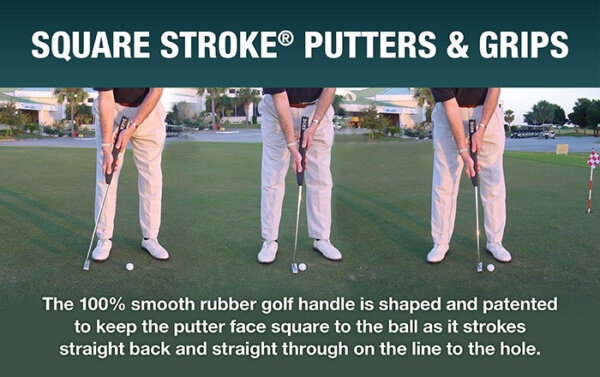
When using Reverse Golf Grip, the left hand leads the stroke, which naturally stabilizes the club and promotes a more consistent swing path. The grip works to minimize wrist action and reduces the chances of the clubface twisting during impact, leading to a more accurate shot. By keeping the hands in a more neutral position, the reverse grip encourages a smoother, more controlled stroke, particularly in putting.
Why You Need the Reverse Golf Grip
1. Better Control and Stability
Golfers often struggle with controlling their shots, especially under pressure. The grip's design ensures that the hands work together as a unit, reducing the chances of one hand overpowering the other during the swing. This balance is particularly beneficial when dealing with tricky putts or shots that require precise control.
2. Improved Consistency in Your Short Game
The short game is where golfers can gain a competitive edge. The Reverse Golf Grip is particularly effective in improving consistency in chipping and putting. By using this grip, golfers can develop a more repeatable stroke, which is essential for maintaining a steady short game. The grip's emphasis on a neutral hand position and minimized wrist movement leads to more reliable results on the green.
How to Incorporate the Reverse Golf Grip into Your Game
Adopting the reverse golf grip can feel awkward at first, especially if you've been using a traditional grip for years. However, with practice and patience, it can become a valuable tool in your golfing arsenal. Here are some steps to help you incorporate the reverse grip into your game:
- Start with Putting: The reverse grip is most commonly used in putting, so begin by practicing it on the green. Focus on maintaining a light grip pressure and allowing the left hand to lead the stroke.
- Experiment with Chipping: Once you're comfortable with the reverse grip in putting, try using it for chipping around the green. The grip's stability can help you achieve more accurate chip shots.
The Reverse Golf Grip is a powerful technique that can enhance your game in several ways. By improving putting accuracy, providing better control and stability, reducing tension, and increasing consistency, this grip offers a unique advantage on the course. While it may take some time to master, the benefits of the reverse golf grip make it a valuable addition to any golfer's repertoire.