What is a CNC Lathe? — An 800-Word Beginner’s Guide
A CNC lathe is a computer-controlled machine tool used to produce cylindrical parts by removing material from a rotating workpiece. Short for Computer Numerical Control lathe, it automates turning processes that once required skilled manual operation. Instead of an operator guiding a cutting tool by hand, the CNC lathe follows precise, preprogrammed instructions to control spindle speed, tool movement, feed rates, and machining sequences—delivering repeatable accuracy and high productivity.
How a CNC Lathe Works
At the heart of a CNC lathe are a rotating spindle that holds the workpiece and one or more toolholders that move along linear axes (usually labeled X and Z). The spindle turns the part while the cutting tool travels along programmed paths to create external profiles, internal bores, threads, grooves, and faces. Modern units often include live tooling and driven tools for milling or drilling operations, enabling complex multi-operation parts to be completed in a single setup. The machine’s motion is governed by a control unit (FANUC, Siemens, Haas, etc.) which interprets G-code or conversational programming and converts it into precise servo and spindle commands.
Why CNC Lathes Matter
CNC lathes transform manufacturing in three important ways: precision, repeatability, and speed. Precision comes from accurate servo control and feedback systems; repeatability means every part cut from the same program will match the tolerance window; and speed derives from optimized toolpaths and high feed/spindle capabilities. These attributes make CNC lathes essential in industries such as automotive, aerospace, medical devices, oil and gas, and general machining where consistent, tight tolerances are required.
Common Features and Options
Most CNC lathes share a set of core features: a rigid bed, a chuck or collet spindle, a turret or tool post, and a coolant system. Optional features can include subspindles for complex double-ended parts, live tooling for milling operations, Y-axis capability for off-center cuts, bar feeders for unattended production, and tool presetters for faster changeovers. Controls offer features like canned cycles for turning and threading, rigid tapping, and high-speed look-ahead to smooth motion and reduce cycle time.
Materials and Typical Parts
CNC lathes machine metals such as steel, stainless, aluminum, brass, and exotic alloys, as well as nonmetallics like plastics and composites. Typical parts produced on lathes include shafts, bushings, fasteners, fittings, valve bodies, and precision components used in assemblies. Material selection, tooling geometry, and cutting parameters are adjusted to balance finish, tool life, and cycle time.
Programming and CAM Integration
Parts are programmed either directly at the machine with conversational code or generated offline using CAD/CAM software. CAM systems convert 3D part geometry into toolpaths and output G-code compatible with the lathe’s control. Post processors tailor those toolpaths to the control’s dialect and to the machine’s kinematic limits. Strong integration between CAD, CAM, and the machine reduces setup time and minimizes human error.
Setup, Tooling, and Inspection
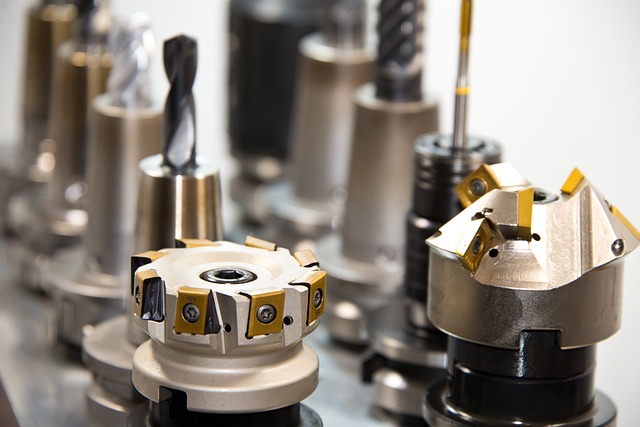
Setup begins with securing the workpiece in the chuck or collet, loading tools into the turret, and setting offsets. Modern shops use toolholders, collets, and quick-change systems to speed this process. Inspection follows machining—using micrometers, pin gauges, CMMs, or optical comparators—to verify dimensions and surface finish. Consistent setup and proper fixturing are as important as the machine itself for achieving part quality.
Buying Considerations (New vs. Used)
When choosing a CNC lathe, buyers weigh cost, support, and feature needs. New machines offer the latest controls and warranties; used CNC lathes provide lower capital cost and quicker availability. Whether new or used, check spindle condition, backlash in axes, control health, and included tooling. If downtime matters, factor in service contracts, spare parts availability, and the presence of local technicians.
Maintenance and Lifecycle
Routine maintenance—lubrication, cleaning way wipers, checking coolant and filtering, and replacing worn tooling—keeps a lathe accurate and reliable. OverTime component wear (bearings, ballscrews, encoders) may require refurbishment or replacement. Retrofitting older machines with updated controls or drives can extend useful life and improve capabilities.
Practical Tips for Shops
Start small: match the machine’s swing and capacity to the parts you plan to run. Standardize tooling to reduce changeover time. Keep a simple preventive-maintenance log and schedule. Train operators to understand both the control and basic mechanical troubleshooting. Finally, design parts with machining in mind—minimizing setups and reducing complex features where possible.
Logistics and related buying notes
Whether you’re buying a new machine or scouting used CNC lathes for sale, don’t forget logistics—rigging, transport, installation, and site prep. Some shops that sell industrial equipment also handle transport and delivery; if your purchase is part of a broader fleet update, you might coordinate with vendors that move vehicles and heavy assets. On an odd but real note, companies that sell industrial equipment sometimes also list other used assets like buses or minibuses on their websites—so if someone is searching for used shuttle buses for sale, shuttle buses, or shuttle buses for sale at the same company, check details and order processes carefully. Consider total cost: purchase price plus freight, installation, rigging, and any immediate servicing or tooling purchases.
Bottom Line
A CNC lathe is a foundational tool for precision manufacturing. By automating turning operations with computerized control, it delivers consistent accuracy, faster production, and the flexibility to make complex parts. Whether you’re setting up a job shop or expanding a production line, choosing the right CNC lathe—matched to your parts, materials, and volume—will pay dividends in quality, efficiency, and long-term value.