Thermal vacuum chambers play a critical role in industries where products must withstand extreme temperature fluctuations and vacuum conditions. From aerospace missions to advanced electronics testing, these chambers simulate real-world environmental conditions to ensure reliability, durability, and performance.
When selecting the right system, understanding the different types available is essential. Leading Thermal Vacuum Chamber Manufacturers design various configurations to meet specific industrial and research needs. In this guide, we’ll explore the major types of thermal vacuum chambers and when to use each one.
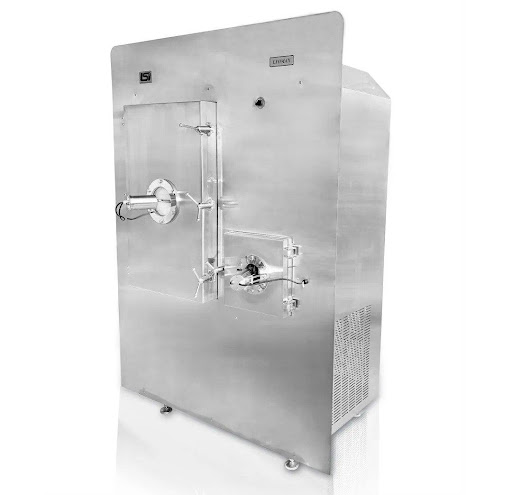
What Is a Thermal Vacuum Chamber?
A thermal vacuum chamber (TVAC) is an enclosed system designed to simulate the harsh conditions of outer space or other extreme environments. It combines:
- High vacuum conditions
- Controlled temperature cycling
- Precise environmental monitoring
These chambers are widely used in aerospace, defense, electronics, automotive, and research institutions to validate product performance under controlled stress conditions.
1. Small Bench-Top Thermal Vacuum Chambers
Best For:
- Research labs
- Universities
- Component-level testing
- R&D prototyping
Bench-top chambers are compact systems ideal for small-scale experiments and component testing. They are cost-effective and space-efficient while still delivering accurate temperature and vacuum control.
When to Use:
Choose a bench-top chamber when:
- Testing small electronic boards or sensors
- Performing early-stage R&D validation
- Budget and space constraints exist
These systems are perfect for organizations that need precision testing without large infrastructure requirements.
2. Medium-Sized Industrial Thermal Vacuum Chambers
Best For:
- Aerospace component testing
- Automotive electronic modules
- Satellite subsystems
Medium-sized chambers offer a balance between capacity and efficiency. They are designed for more demanding applications requiring stable vacuum levels and wide temperature ranges.
When to Use:
- Testing integrated assemblies
- Performing reliability testing
- Simulating repeated thermal cycles
Industrial systems from experienced Thermal Vacuum Chamber Manufacturers ensure consistent performance, accurate data logging, and compliance with industry standards.
3. Large-Scale Thermal Vacuum Chambers
Best For:
- Full satellite testing
- Spacecraft components
- Defense applications
Large-scale chambers are engineered to simulate space conditions for entire systems or large assemblies. These chambers can replicate deep-space vacuum and extreme temperature variations with high precision.
When to Use:
- Pre-launch satellite validation
- Aerospace mission testing
- Defense-grade environmental simulation
These systems require advanced insulation, cryogenic panels, and high-capacity vacuum pumps. Choosing trusted Thermal Vacuum Chamber Manufacturers is crucial for large-scale installations to ensure reliability and safety.
4. Cryogenic Thermal Vacuum Chambers
Best For:
- Space simulation
- High-altitude applications
- Deep-space electronics
Cryogenic chambers integrate advanced cooling systems capable of reaching extremely low temperatures, sometimes below -150°C.
When to Use:
- Testing space-bound electronics
- Simulating deep-space environments
- Evaluating material performance at ultra-low temperatures
These chambers are essential in aerospace and satellite development projects where temperature precision is non-negotiable.
5. Custom-Built Thermal Vacuum Chambers
Best For:
- Specialized industrial applications
- Unique product dimensions
- Industry-specific compliance needs
Not all testing requirements fit standard chamber designs. Custom-built solutions allow businesses to tailor:
- Chamber size
- Temperature range
- Vacuum level
- Automation features
When your project requires non-standard configurations, partnering with experienced Thermal Vacuum Chamber Manufacturers ensures your system meets precise technical specifications.
6. Horizontal vs Vertical Thermal Vacuum Chambers
Horizontal Chambers
- Ideal for large components
- Easier loading and unloading
- Common in aerospace applications
Vertical Chambers
- Space-efficient design
- Suitable for labs and R&D centers
- Ideal for smaller components
When to Choose:
- Choose horizontal for heavy assemblies.
- Choose vertical for limited floor space and smaller items.
The right configuration depends on your product size, facility layout, and operational workflow.
7. Thermal Vacuum Chambers with Integrated Data Acquisition Systems
Best For:
- High-precision testing
- Regulatory compliance
- Long-term monitoring
Modern chambers integrate advanced sensors and automated data logging. These systems provide real-time temperature mapping and vacuum pressure tracking.
When to Use:
- Aerospace qualification testing
- Research documentation
- Compliance reporting
Digital integration enhances accuracy and reduces human error during testing.
Key Factors to Consider Before Choosing a Thermal Vacuum Chamber
Selecting the right chamber depends on multiple factors:
1. Temperature Range
Determine the maximum and minimum temperatures required for your application.
2. Vacuum Level
Ensure the chamber can achieve the desired vacuum pressure for realistic simulation.
3. Chamber Size
Match the internal dimensions with your product size.
4. Automation & Control Systems
Look for programmable temperature cycling and digital monitoring.
5. Industry Compliance
Verify certifications and adherence to aerospace or defense standards.
Working with reliable Thermal Vacuum Chamber Manufacturers helps ensure all these technical requirements are properly addressed.
Industries That Use Thermal Vacuum Chambers
Thermal vacuum chambers are widely used across:
- Aerospace & satellite development
- Automotive electronics
- Semiconductor manufacturing
- Research & academic institutions
- Defense systems
Each industry requires specific chamber configurations, making it important to evaluate the right type before investment.
Why Choosing the Right Manufacturer Matters
Beyond selecting the correct chamber type, partnering with experienced Thermal Vacuum Chamber Manufacturers ensures:
- Custom engineering expertise
- Quality control standards
- Installation and commissioning support
- After-sales service and maintenance
A trusted manufacturer provides not just equipment, but long-term reliability and technical support.
Final Thoughts
Thermal vacuum chambers are essential tools for industries that demand environmental precision and reliability testing. From compact bench-top systems to large-scale aerospace chambers, each type serves a specific purpose.
Understanding your application requirements — including size, temperature range, vacuum level, and industry standards — will help you select the right solution. Whether for research, aerospace validation, or industrial testing, working with trusted experts ensures your system delivers accurate and repeatable results.
By choosing the right chamber type and manufacturer, businesses can enhance product durability, meet compliance standards, and gain a competitive advantage in demanding industries.
Other Recommendations: Lyophilizer Freeze Dryers In India