In industries like pharmaceuticals, biotechnology, and food processing, the terms freeze‐drying and lyophilization are often used interchangeably. Yet, there’s still some confusion about what they actually mean and whether they refer to the same process. To understand the distinction — and why it matters — it’s essential to take a closer look at how Freeze Drying Systems work, what they achieve, and how terminology plays a role in global manufacturing and regulatory frameworks.
What Is Freeze‐Drying?
Freeze‐drying is a dehydration process that removes water from a substance while preserving its structure and properties. The process involves three key steps: freezing, primary drying (sublimation), and secondary drying (desorption).
In simple terms, the product is first frozen solid. Then, under a high vacuum, the frozen water is converted directly from ice to vapor — a process called sublimation. Finally, residual moisture is removed through controlled heating, leaving behind a dry, stable product that retains its original shape, taste, and biological activity.
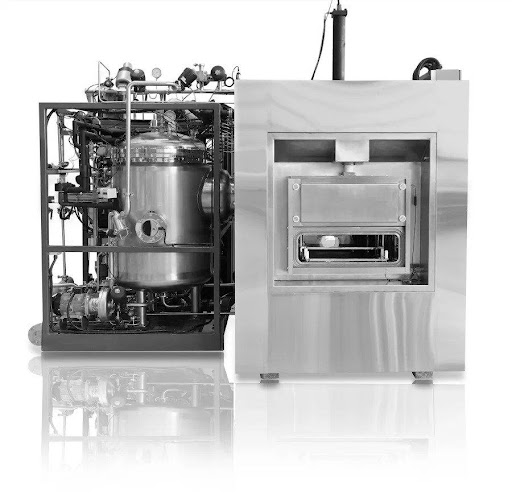
Freeze Drying Systems are engineered to precisely control this multi-stage process. They include components like a refrigeration unit, vacuum chamber, condenser, and control system. By maintaining exact temperature and pressure conditions, these systems ensure the product’s quality, stability, and shelf life.
What Is Lyophilization?
The word lyophilization originates from the Greek words lyo (dissolve) and philos (loving), literally meaning “solvent-loving.” Scientifically, lyophilization refers to the same process as freeze‐drying. It’s the technical term most often used in pharmaceutical, biotech, and laboratory environments, where precision and regulatory compliance are paramount.
Lyophilization isn’t just about drying; it’s about preserving sensitive biological materials such as vaccines, enzymes, antibodies, and microorganisms. The process ensures these delicate substances remain stable at room temperature without losing potency.
So, while freeze‐drying and lyophilization describe the same fundamental process, the difference often lies in terminology and context.
Freeze‐Drying vs. Lyophilization – The Real Difference
When comparing freeze‐drying and lyophilization, it’s important to understand that both refer to the same physical process. However, the distinction comes from how the terms are used in different industries.
In general, “freeze‐drying” is the more commonly used term in everyday language and in commercial sectors such as food processing, cosmetics, and materials science. It emphasizes the visible process — freezing and drying — that consumers can easily relate to.
On the other hand, “lyophilization” is the scientific and industrial term, predominantly used in pharmaceuticals and biotechnology. It’s associated with precision, regulatory standards, and the preservation of highly sensitive biological materials.
You could say that lyophilization is the pharma-grade version of freeze‐drying. It’s carried out under stricter controls, with advanced equipment designed to meet Good Manufacturing Practices (GMP) and regulatory validation.
In short, both terms describe the same drying method — the difference lies in how and where they’re applied. Freeze‐drying is used to preserve foods and materials for texture and taste, while lyophilization focuses on maintaining molecular integrity and biological activity.
How Modern Freeze Drying Systems Work
Today’s advanced Freeze Drying Systems combine automation, digital control, and real-time monitoring to deliver consistent, repeatable results. Here’s how the process unfolds:
- Freezing Phase:
The product is cooled below its eutectic point, ensuring all water content solidifies. Rapid freezing helps maintain structural integrity. - Primary Drying (Sublimation):
Vacuum pumps reduce chamber pressure. Heat is carefully applied to convert ice directly into vapor, bypassing the liquid phase. - Secondary Drying (Desorption):
Residual bound water molecules are removed by slightly increasing temperature, achieving a final moisture content of less than 2%. - Sealing & Packaging:
The dried product is sealed under inert gas or vacuum to prevent reabsorption of moisture.
Modern systems come with PLC-based control, CIP/SIP features (Clean/Steam-in-Place), and SCADA integration for data logging and batch reporting. These features make them indispensable in regulated sectors where consistency and traceability are critical.
Applications of Freeze Drying Systems
The versatility of freeze-drying or lyophilization spans multiple industries.
1. Pharmaceutical and Biotech
Freeze Drying Systems are vital for preserving vaccines, biologics, and injectables that degrade easily in liquid form. They maintain product efficacy and enable long-term storage without refrigeration.
2. Food Industry
From instant coffee and herbs to ready-to-eat meals, freeze-drying ensures superior flavor, texture, and nutrition retention. The process is also popular in premium pet food and nutraceuticals.
3. Research Laboratories
Lab-scale lyophilizers are used for sample preparation, reagent preservation, and experimental studies involving heat-sensitive materials.
4. Aerospace and Specialty Applications
Even in space missions, freeze-drying plays a role in preserving astronaut meals and biological samples for extended durations.
Why the Confusion Between the Two Terms?
The confusion arises because freeze‐drying is the commonly used term in commercial and consumer applications, while lyophilization dominates scientific and regulatory literature. For example, the U.S. Pharmacopeia (USP) and European Medicines Agency (EMA) use “lyophilization” in official documents, but equipment manufacturers and food technologists often say “freeze‐drying.”
Essentially, both terms describe the same fundamental physical process — only the audience and context differ.
Benefits of Freeze Drying Systems Across Industries
Whether you call it freeze‐drying or lyophilization, the benefits of advanced Freeze Drying Systems are undeniable:
- Extended Shelf Life: Products remain stable for months or years without refrigeration.
- Retention of Structure and Activity: Biological materials retain their molecular structure and potency.
- Lightweight and Easy to Transport: Dried products weigh less, lowering shipping costs.
- Improved Quality: Preserves color, texture, taste, and nutritional content.
- Eco-Efficiency: Modern systems reduce energy consumption through optimized vacuum and refrigeration cycles.
Innovations in Modern Freeze Drying Systems
The future of freeze-drying lies in automation, sustainability, and smart controls. Manufacturers like LYO Group are developing systems with AI-driven monitoring, IoT-enabled maintenance alerts, and energy-efficient refrigeration modules. These innovations enhance productivity while reducing operational costs and environmental impact.
Additionally, modular designs allow companies to scale from R&D to full production without process revalidation, making the technology more flexible and cost-effective.
Conclusion
While the terms freeze‐drying and lyophilization are used interchangeably, the difference lies mainly in their application and terminology. Both describe the same scientific process — sublimation-based drying under vacuum — essential for preserving sensitive materials in pharmaceuticals, food, and biotechnology.
Modern Freeze Drying Systems combine engineering precision, automation, and compliance features to ensure consistent, high-quality results across industries. Whether your goal is to extend the shelf life of vaccines or retain the flavor of freeze-dried fruits, investing in the right system ensures long-term reliability and performance.
Other Recommendations: Lyophilizers Manufacturers