Bringing a new kitten home is one of the most exciting experiences for any cat lover. But it can also be overwhelming—for both you and your furry friend. If you want to ensure a smooth transition, understanding how to help a new kitten adjust to a new home is essential. A well-prepared environment, gentle guidance, and patience can make all the difference in building a trusting and happy relationship with your new companion.
Prepare Your Home Before the Kitten Arrives
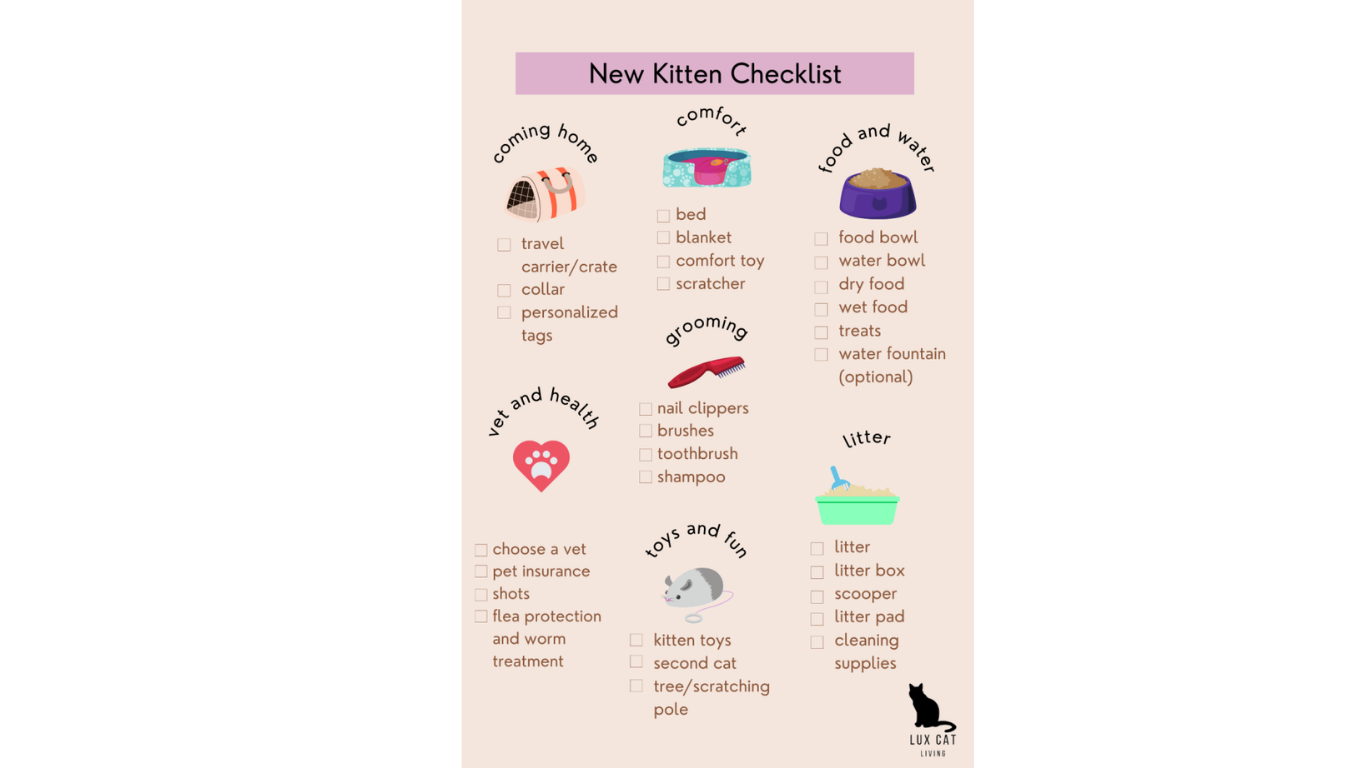
One of the most important steps in how to help a new kitten adjust to a new home is preparation. Your home should be a safe, comfortable, and stimulating environment before your kitten walks through the door.
Start by setting up a designated space for your kitten. A small room with their bed, food, water, litter box, and some toys will give them a secure place to explore at their own pace. This controlled area prevents them from feeling overwhelmed by the full house and helps them feel safe.
Make sure your home is kitten-proofed. Remove any small objects they could swallow, secure loose wires, and block off areas where they might get stuck. These precautions reduce stress for both you and your kitten, which is crucial in the first few days.
Gradual Introduction to the Home
Kittens are naturally curious but also cautious. Rushing them into the entire house can lead to fear and anxiety. Focus on gradually introducing your kitten to new spaces. Start with one room and slowly allow access to other areas as they become comfortable.
During this period, provide plenty of hiding spots. Boxes, covered beds, or tunnels allow your kitten to retreat when they feel nervous. These safe spaces are key in how to help a new kitten adjust to a new home, giving them control over their environment and helping build confidence.
Create a Comfortable and Consistent Routine
Kittens thrive on routine. Feeding, playtime, and litter box cleaning should occur at consistent times each day. A predictable schedule reassures your kitten and helps reduce stress.
Set up a quiet, cozy sleeping area for your kitten. A warm bed or soft blanket in a draft-free corner gives them a sense of security. Remember, kittens sleep a lot, often 16–20 hours a day, so respecting their rest is essential in helping them adjust.
Litter Box Training
A clean, accessible litter box is a cornerstone of how to help a new kitten adjust to a new home. Place the box in a quiet area and avoid moving it frequently. Show your kitten the location after meals and naps, as these are times they’re most likely to use it.
Use unscented litter and a shallow box for easy access. Praise and gentle encouragement help reinforce positive behavior, and avoid scolding if accidents happen—patience is key.
Feeding and Nutrition
Feeding your kitten properly not only supports their health but also helps them feel at home. Start with the food they are already accustomed to and gradually introduce new options to avoid digestive upset.
Keep fresh water available at all times. Feeding on a schedule and in a consistent location helps your kitten feel secure, which is a core part of how to help a new kitten adjust to a new home.
Avoid sudden changes in diet or feeding environment, as this can increase stress during the adjustment period.
Gentle Socialization
Kittens learn from their interactions, so socialization is vital. Spend quality time with your kitten, engaging in gentle play and soft talking. Toys that mimic prey, like feathers or small balls, help them practice natural behaviors and strengthen your bond.
Be patient if your kitten seems shy or fearful. Avoid forcing interactions. Instead, allow them to approach you on their terms. Over time, trust will grow naturally. Understanding how to help a new kitten adjust to a new home means respecting their pace.
Managing Stress and Anxiety
Moving to a new home can be stressful for a kitten. Signs of stress include hiding, excessive grooming, or refusal to eat. To reduce anxiety, maintain a calm environment. Limit loud noises and sudden movements during the first few days.
Pheromone diffusers or sprays designed for cats can also create a calming atmosphere. These tools help your kitten feel more secure and comfortable in their new surroundings.
Safe Exploration and Play
Kittens are naturally curious, and supervised exploration is important. Allow them to investigate one area at a time while keeping an eye out for hazards. Playtime is also an excellent opportunity for physical exercise and mental stimulation.
Rotate toys to keep them engaged and prevent boredom. Regular play sessions reinforce your bond and help your kitten expend energy in a positive way.
Building Trust and Positive Associations
Trust is the foundation of any strong relationship with your kitten. Offer treats, gentle petting, and soothing words to create positive associations with you and your home.
Avoid punishment, as it can lead to fear and damage your kitten’s confidence. Instead, reward good behavior consistently. Over time, your kitten will associate your presence with comfort and security, which is central to how to help a new kitten adjust to a new home.

Introducing Other Pets
If you have other pets, introductions should be slow and controlled. Start with scent swapping—exchange bedding between animals so they can become familiar with each other’s smell.
Gradually allow visual contact before supervised interactions. Patience during this phase ensures a peaceful coexistence and reduces stress for all animals involved.
Regular Veterinary Care
A vet visit shortly after bringing your kitten home is crucial. Vaccinations, deworming, and a general health check help ensure your kitten starts their new life healthy.
Discuss any behavioral or dietary questions with your vet. Professional guidance complements your efforts in how to help a new kitten adjust to a new home, ensuring you’re supporting their physical and emotional needs.
Patience Is Key
Every kitten is unique, and adjustment times vary. Some may explore confidently within hours, while others take weeks to feel comfortable. Consistency, patience, and gentle guidance are your best tools.
Celebrate small milestones: eating their first meal, using the litter box, or approaching you for the first cuddle. These achievements show that your kitten is settling in and beginning to trust their new home.
Learning how to help a new kitten adjust to a new home is about creating a safe, welcoming environment and fostering trust through patience and care. By preparing your home, establishing routines, providing gentle socialization, and supporting their emotional and physical needs, you set the foundation for a lifelong bond.