Hair extensions should be planned around the person wearing them, not selected from a standard list. When asking how long hair extensions last, clients should also consider their hair texture, density, health, length, scalp condition, and daily routine. A personalized consultation brings these details together while also covering color matching, the amount of hair needed, the installation plan, and aftercare.
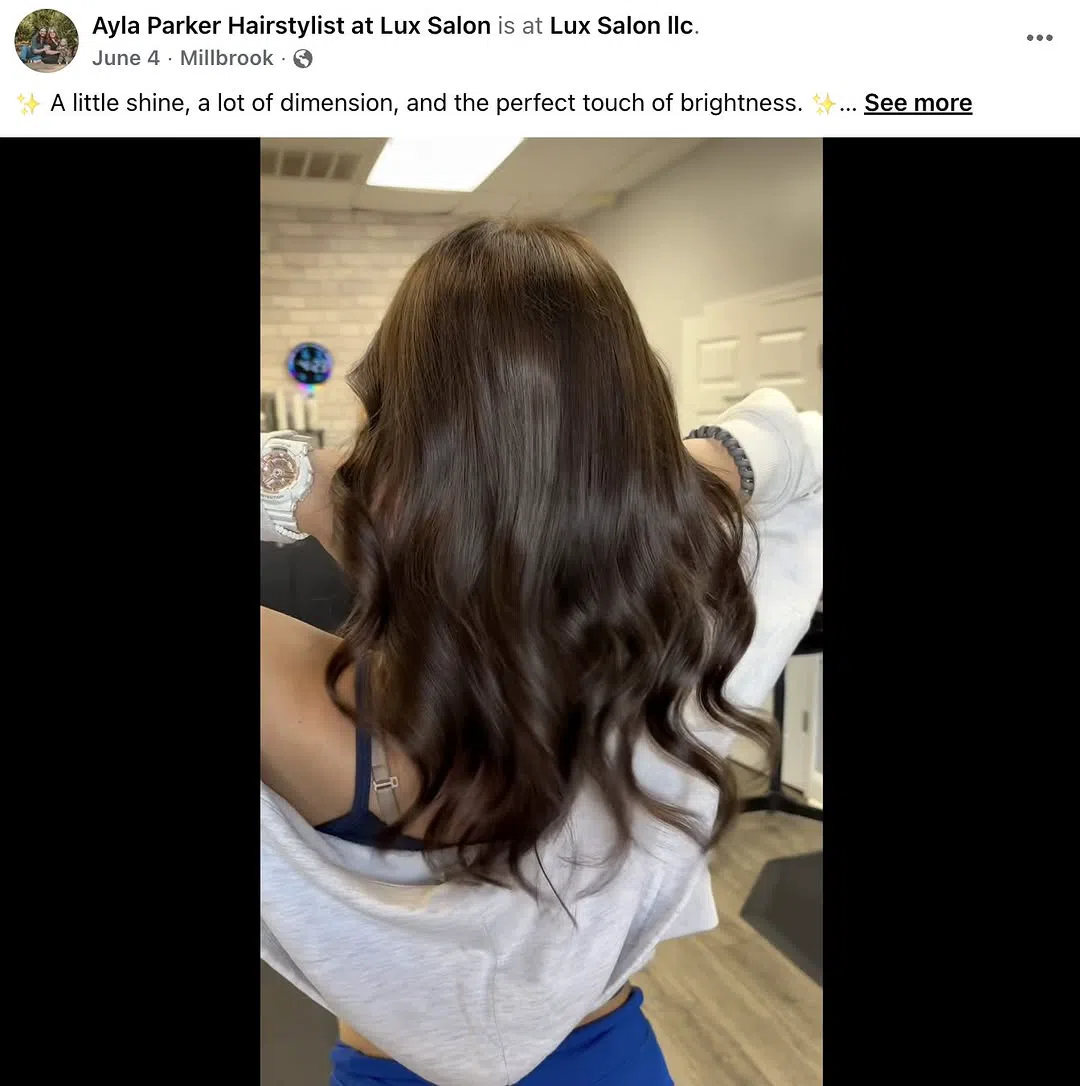
Why There Is No Single Answer for Every Client
Hair extensions are planned around the individual client. The consultation considers natural hair characteristics, desired length, volume, color enhancement, lifestyle, and the finished appearance.
Because these details differ from person to person, a fixed lifespan should not be promised. The specific method and care plan also matter when discussing how long hair extensions last.
The method is only one part of the plan
The available methods include tape-in, hand-tied wefts, keratin bonded, and halos. Sew-in and I-tip extensions are also offered as separate extension services.
Each option can suit different hair needs. The stylist discusses the pros and cons so the client can make an informed choice.
What Should You Discuss During the Consultation?
The extension process starts with a personalized consultation. This is where the client can explain what they want from the finished style.
Important topics include:
Desired length
Desired volume
Color enhancement
Lifestyle
Inspiration photos
Previous extension experiences
Current hair characteristics
Expected finished appearance
This conversation gives the stylist a clearer picture before selecting an extension approach.
How Does Natural Hair Affect the Extension Plan?
Natural hair is assessed before an extension method is chosen. The stylist considers texture, density, health, length, and scalp condition.
Density means how much hair is present in a certain area.
The scalp is also evaluated to determine if extensions are a suitable option. This assessment matters because the same method is not automatically right for every head of hair.
For clients asking how long hair extensions last, the condition and characteristics of their own hair are part of the discussion.
Why Does Desired Length and Volume Matter?
Extensions can be planned for different reasons. A client might want longer hair, more volume, or both. Color enhancement can also be part of the finished look.
The stylist uses the desired appearance to plan the amount of extension hair needed. The desired length and volume therefore affect what needs to be ordered.
This planning takes place before installation rather than after the hair has already been selected.
How Does Color Matching Affect the Finished Look?
Color is a major part of extension planning. Extension hair can be matched to the client's natural hair.
Multiple shades can also be custom blended. Custom blending means combining shades to create a closer, more seamless match.
This can make the added hair look less noticeable. It also allows length, volume, and color enhancement to be considered together.
A client can also discuss color services separately. Available options include all-over color, gloss, highlights, balayage, root touch-up, vivids, full foil highlights, and partial foil highlights.
What Should You Know Before the Hair Is Ordered?
Before ordering, the client and stylist establish the desired finished look, extension method, length, color match or blend, and installation plan.
The amount of hair needed is also determined. Then the hair-order timeline and installation appointment can be planned.
A specific installation time or universal extension lifespan is not set for every client. That makes individual planning more useful than relying on a general number when asking how long hair extensions last.
How Does Lifestyle Fit Into Extension Planning?
Lifestyle is part of the consultation because the desired style needs to fit the client's daily routine. Previous extension experiences can also give the stylist useful information.
Inspiration photos can show the look the client wants. The stylist can then compare that vision with the client's current hair characteristics.
This creates a more thoughtful plan instead of selecting an extension method without first understanding the person wearing it.
What Happens After Installation?
The extension plan does not stop with installation. Aftercare is also discussed. Clients receive information about caring for their extensions, maintenance appointments, products that support healthy hair, and ways to keep the extensions looking their best for as long as possible.
A hair styling specialist trained in hair care, cutting, styling, and customer service can bring these details into the broader hair plan. The stylist team also follows the Lux Method as part of its professional education.
Final Thoughts
Hair extension planning starts with the client's own hair, desired look, and daily needs. A hair styling specialist can consider the extension method, length, volume, color match, and aftercare before installation. This personalized approach creates a clear plan instead of relying on one fixed answer for every client.