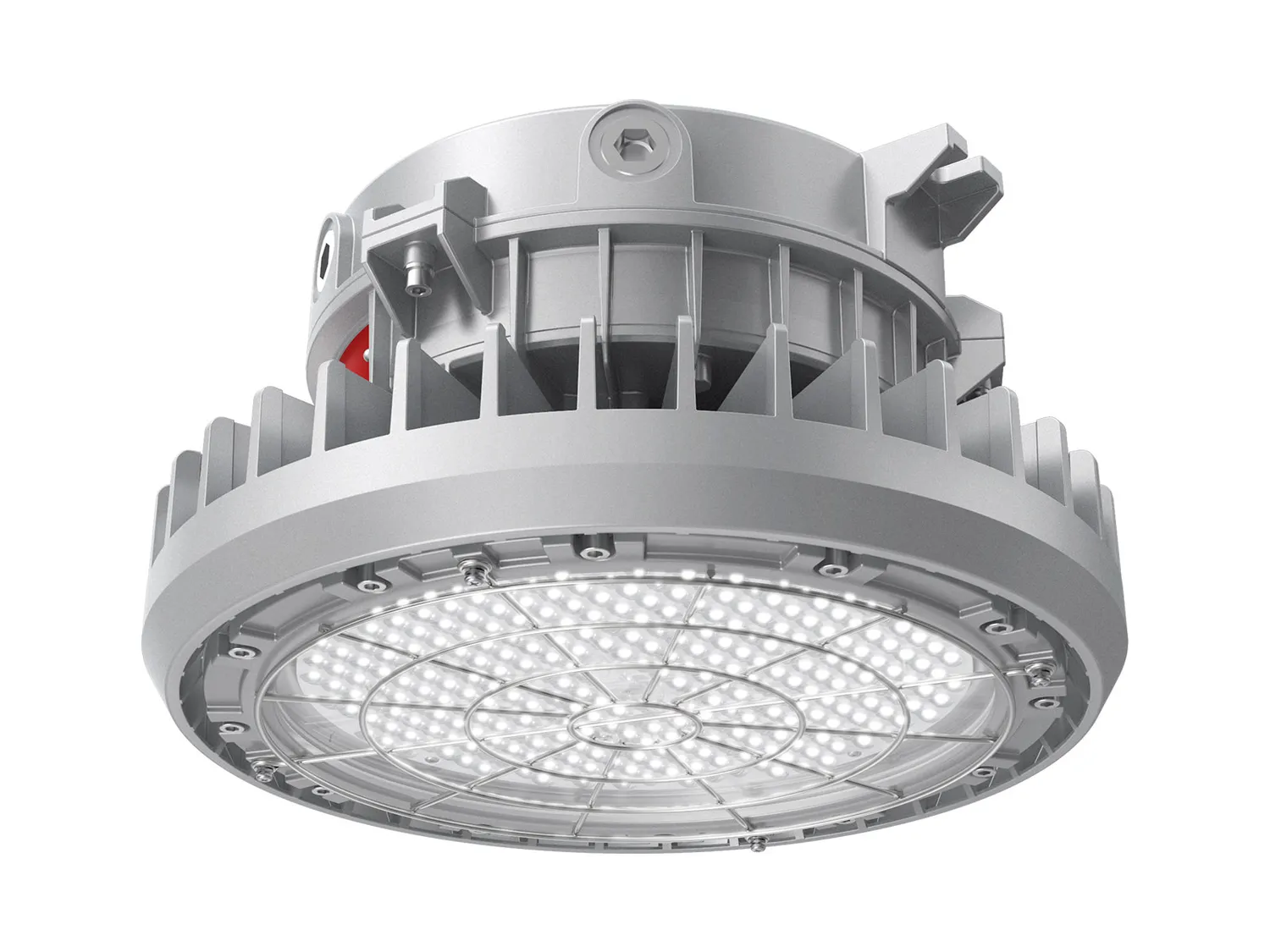
When it comes to workplace safety in industrial environments, lighting might not be the first thing you think of—but it should be. Poor lighting doesn’t just hinder visibility; in hazardous areas, it can be a serious risk factor. That’s where explosion proof LED light technology steps in, offering both safety and efficiency. Whether you're overseeing an offshore oil rig, a chemical processing plant, or a mining site, choosing the right lighting solution can make all the difference.
In this article, we’ll explore what explosion proof LED lights are, how they differ from standard fixtures, and why they’re a critical investment for any high-risk work zone.
Table of Contents
- What Are Explosion Proof LED Lights?
- Why Regular Lighting Isn’t Enough
- Key Benefits of Explosion Proof LED Lighting
- Common Applications in Hazardous Locations
- How to Choose the Right Fixture
- Installation Tips and Best Practices
- Conclusion
1. What Are Explosion Proof LED Lights?
Simply put, explosion proof LED lights are lighting fixtures that are designed to operate safely in environments where flammable gases, vapors, dust, or fibers are present. These lights are built to contain any sparks or flames that could ignite those substances.
The term “explosion proof” can be a bit misleading—it doesn’t mean the fixture can survive an external explosion. Instead, it means the fixture won’t cause an explosion in the first place. The design ensures that if something inside the light (like an electrical arc) were to ignite, the housing would contain it, preventing it from reaching the hazardous atmosphere outside.
2. Why Regular Lighting Isn’t Enough
Most standard lighting fixtures are not constructed with flammable atmospheres in mind. Even a minor spark from a loose connection or failing component can lead to disaster. Here’s why using non-explosion proof lights in hazardous areas is risky:
- They often lack sealed enclosures, making them vulnerable to gas or dust intrusion.
- They're not built to contain internal explosions or arcs.
- They may emit high surface temperatures that could ignite flammable materials.
In contrast, explosion proof LED lighting is specifically designed to eliminate these risks.
3. Key Benefits of Explosion Proof LED Lighting
Explosion proof LED lights aren’t just safer—they offer a wide range of operational benefits. Let’s break down why they’re the preferred choice:
Enhanced Safety
This is the number one reason for using them. Their rugged, sealed design ensures internal sparks don’t come into contact with external hazardous materials.
Long Lifespan
LED technology naturally lasts longer than traditional bulbs. Most explosion proof LEDs are rated for 50,000+ hours of use. That means less maintenance, fewer replacements, and less risk for technicians working in dangerous areas.
Energy Efficiency
LEDs consume significantly less energy than halogen or HID lights. In industrial settings where dozens or even hundreds of lights are in use, this translates to major cost savings over time.
Durability
Explosion proof fixtures are built to withstand harsh environments—think extreme temperatures, vibrations, corrosive materials, and heavy impacts.
Compliance with Safety Standards
These lights are tested and certified to meet stringent safety codes from organizations like the NEC (National Electric Code), ATEX, and IECEx. This ensures you meet OSHA requirements and avoid fines or shutdowns.
4. Common Applications in Hazardous Locations
Explosion proof LED lights are used across a wide array of industries. Here are some of the most common applications:
Oil and Gas Industry
Refineries, offshore rigs, and storage facilities often handle flammable gases. Lighting must be reliable and intrinsically safe.
Chemical Manufacturing Plants
Chemical vapors and volatile compounds are common in these environments, necessitating specialized lighting solutions.
Mining Operations
Underground and surface mining both involve combustible dust and hazardous gases. Durable, explosion proof lighting ensures safety at all times.
Food Processing Plants
Believe it or not, even powdered food materials like flour can be explosive in the right conditions. Explosion proof lighting is used in dust-prone areas.
Wastewater Treatment Facilities
These locations deal with flammable gases such as methane, making them prime candidates for explosion proof fixtures.
5. How to Choose the Right Fixture
Selecting the right explosion proof LED light involves more than just choosing a rugged-looking fixture. Here are some important considerations:
Know Your Hazardous Area Classification
Work areas are typically classified into zones or classes/divisions based on the type and frequency of hazardous materials present. For example:
- Class I: Flammable gases or vapors
- Class II: Combustible dust
- Class III: Ignitable fibers
Make sure the fixture you choose is certified for your specific zone or class.
Evaluate Mounting Options
Do you need ceiling-mounted, wall-mounted, or portable fixtures? Many manufacturers offer versatile designs to suit different needs.
Brightness and Color Temperature
Measured in lumens and Kelvins respectively, brightness and color temperature can impact worker visibility and reduce eye strain.
IP and IK Ratings
Look for lights with high IP ratings for dust and water resistance, and high IK ratings for impact resistance.
6. Installation Tips and Best Practices
Even the best explosion proof LED light can pose a risk if not installed properly. Here are some best practices:
- Always follow manufacturer installation instructions.
- Ensure all wiring is routed through explosion proof conduit and fittings.
- Conduct a full area hazard assessment before beginning installation.
- Use qualified personnel with experience in hazardous area electrical systems.
- Perform regular inspections to check for wear, corrosion, or compromised seals.
Also, don’t forget to document everything—it can be a lifesaver during compliance checks or audits.
7. Conclusion
In any environment where flammable gases, vapors, or dusts are present, safety must come first. Investing in explosion proof LED light solutions isn’t just about compliance—it’s about protecting your workers, your facility, and your bottom line. These fixtures offer unmatched safety, energy savings, and durability in the most demanding conditions.
As industries grow more safety-conscious and energy-efficient, the role of explosion proof lighting becomes even more critical. Make sure you’re choosing fixtures that meet your specific needs and are backed by industry certifications.