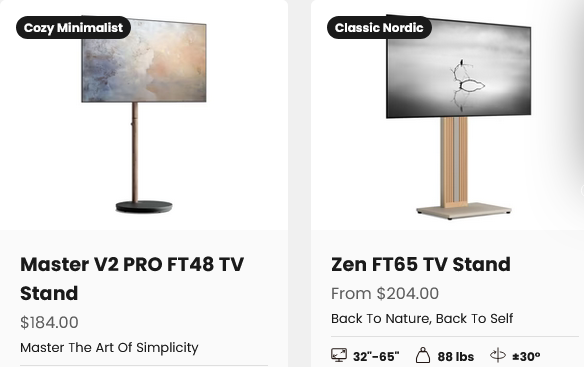
Whether you're moving into a new place or simply updating your living room, finding the right furniture can make a huge difference. One of the most underrated yet essential pieces is the tv stand. It's more than just a spot to place your television—it shapes the room’s aesthetic, helps manage clutter, and supports your entertainment setup in more ways than one.
If you're wondering how to pick the perfect stand for your needs, you’re in the right place. Let’s break it down step-by-step so you can make a confident, stylish, and functional choice.
Why Your TV Stand Matters
For many of us, the living room is where we unwind after a long day—watching shows, gaming, or enjoying movie nights with family. A good TV stand not only holds your screen securely but also complements your space. Here’s why it’s important:
- It determines the viewing height and angle.
- It helps hide or organize unsightly cables.
- It can double as storage or a decorative focal point.
- It safeguards your investment by holding your TV safely and securely.
Getting this choice right can boost both comfort and style.
Step 1: Measure Your Space and TV
Before you browse styles or colors, take a tape measure and gather a few key numbers:
- The width of your television (not just the screen size).
- The height from the floor to your eyes when seated.
- The overall space available for the stand.
A good rule of thumb is to pick a stand that is a few inches wider than your TV to ensure stability and balance. For example, if your TV is 55 inches wide, a 60-inch-wide stand often works best.
Also, consider the depth of the stand. Will it accommodate your media devices? Will it protrude awkwardly into a walkway? These questions are worth asking.
Step 2: Choose a Style That Matches Your Home
Once you have your measurements, the fun part begins—choosing the design!
Popular styles include:
- Modern/Minimalist: Clean lines, neutral tones, and often wall-mounted or floating options.
- Rustic/Farmhouse: Natural wood textures, barn-style doors, and earthy tones.
- Industrial: Metal frames with wood panels—perfect for lofts or urban interiors.
- Mid-Century Modern: Retro legs, low profiles, and bold finishes for a classic feel.
Your TV stand should enhance the vibe you’ve already established in your living room. It’s not just functional—it’s decorative.
Step 3: Decide Between Open and Closed Storage
TV stands can offer a mix of open shelving, drawers, and cabinets. Each has its pros and cons.
- Open shelving is great for displaying consoles, soundbars, or decorative objects, but it requires tidy cable management.
- Closed cabinets help hide clutter and maintain a clean look, especially if you have a lot of small accessories.
- Mixed storage gives you flexibility—open space for display, closed compartments for the less attractive essentials.
Think about your lifestyle. Are you a gamer with multiple consoles? Do you like to hide away clutter quickly when guests come over? Your storage choice should support your habits.
Step 4: Think About Cable Management
Few things ruin the look of a sleek entertainment setup faster than a tangle of cords. That’s why cable management is a must.
Look for stands with:
- Built-in cable cutouts or grommets.
- Cable channels at the back of the unit.
- Concealed compartments for surge protectors and power strips.
A well-designed stand can make all the difference in maintaining a clean and intentional look, especially in open-concept layouts.
Step 5: Consider Mobility and Flexibility
If you rearrange furniture often, or if you live in a small space, you might want a TV stand that’s more adaptable.
Some stands come with:
- Wheels for easy movement.
- Height-adjustable shelves.
- Swiveling mounts for changing the screen angle.
Mobility features can be surprisingly useful, especially if your space is used for different purposes throughout the day.
Step 6: Match the Material to Your Lifestyle
TV stands come in a range of materials—each with its own strengths.
- Wood (solid or engineered): Timeless, sturdy, and versatile. It works well in both traditional and modern spaces.
- Metal: Durable and perfect for industrial or contemporary looks.
- Glass: Sleek and modern, though more fragile and fingerprint-prone.
- Composite or MDF: Budget-friendly with a variety of finishes but may not last as long.
If you have kids or pets, you may want to avoid glass. If you’re aiming for luxury and longevity, solid wood might be the way to go.
Step 7: Don’t Forget Weight Capacity
It’s easy to focus on style and storage, but don’t forget to check the weight limit of your stand. A large flat-screen TV can be surprisingly heavy, especially when combined with other devices like AV receivers or gaming consoles.
Manufacturers typically list weight capacities clearly. Stay within those limits to protect your equipment and your flooring.
Bonus Tips: Making the Most of Your TV Stand
- Decorate with intention: Add a few books, plants, or decorative bowls for a personalized look.
- Use baskets or bins: Hide remotes, cords, and chargers inside attractive storage.
- Install LED lighting: Soft underglow lighting adds ambiance and highlights your setup.
Also, if you’re dealing with a small apartment or need flexibility, consider multi-functional options like corner TV stands or those with mount brackets that save on wall space.
Final Thoughts
Choosing a TV stand isn’t just about where your television sits—it’s about creating a space that feels comfortable, clean, and aligned with your personal style. With the right size, style, storage, and features, your TV stand can elevate your living room’s design and functionality.
If you're ready to explore options, you can browse a wide variety of high-quality, stylish models here. Whether you prefer rustic charm or modern minimalism, there’s a stand that fits both your space and your lifestyle.