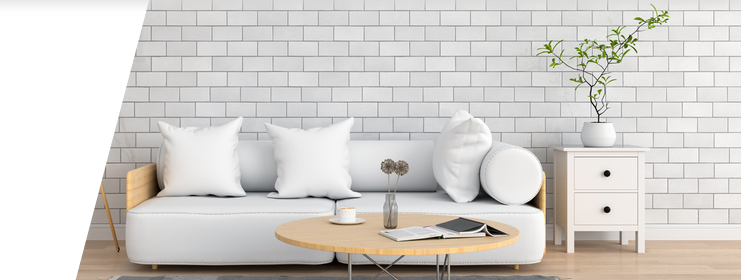
In recent years, the furniture industry has undergone a significant transformation, driven by advancements in technology and changing consumer preferences. Among the most notable trends is the rise of smart furniture, which combines functionality with innovative technology to enhance everyday living. This article delves into what smart furniture is, its benefits, and the factors fueling its growth in the market.
What is Smart Furniture?
Smart furniture refers to pieces that incorporate technology to improve user experience and functionality. This includes items that can connect to the Internet of Things (IoT), allowing for remote control, automation, and integration with other smart home devices. Examples of smart furniture include adjustable desks with built-in sensors, sofas with charging ports, and beds that monitor sleep patterns.
Benefits of Smart Furniture
- Enhanced Comfort and Convenience: Smart furniture is designed with user comfort in mind. Features such as adjustable height desks or recliners with memory foam can be controlled via a smartphone app, making it easier to find the perfect position.
- Space Efficiency: Many consumers live in smaller spaces, and smart furniture often includes multifunctional designs. For instance, a coffee table that converts into a dining table or a sofa bed allows users to maximize their living area without sacrificing style.
- Health and Wellness: As more people become health-conscious, smart furniture plays a crucial role in promoting well-being. Ergonomically designed chairs and desks can help reduce strain and improve posture, while beds equipped with sleep monitoring technology can provide insights into sleep quality.
- Sustainability: With growing awareness of environmental issues, many smart furniture designs emphasize sustainability. Manufacturers are using eco-friendly materials and processes, ensuring that smart furniture contributes positively to both the home and the planet.
Market Drivers
- Technological Advancements: Rapid advancements in technology, such as IoT and AI, have paved the way for the development of smart furniture. As technology becomes more integrated into our daily lives, consumers increasingly seek products that complement their tech-savvy lifestyles.
- Changing Consumer Preferences: Today's consumers value personalization and convenience. Smart furniture allows for customization, enabling users to tailor their furniture to meet their specific needs and preferences.
- Urbanization: As urban living becomes more prevalent, the demand for space-saving and multifunctional furniture rises. Smart furniture caters to this need, providing innovative solutions for city dwellers.
- Growth of Remote Work: The shift to remote work has heightened the focus on home office setups. Smart desks and ergonomic chairs have gained popularity, as individuals seek to create efficient and comfortable workspaces at home.
Conclusion
The rise of smart furniture is a testament to the evolving landscape of the furniture industry. As technology continues to advance and consumer demands shift, smart furniture will play a vital role in shaping the future of interior design. With its focus on comfort, convenience, and sustainability, smart furniture is not just a trend but a new standard in how we think about and interact with our living spaces.