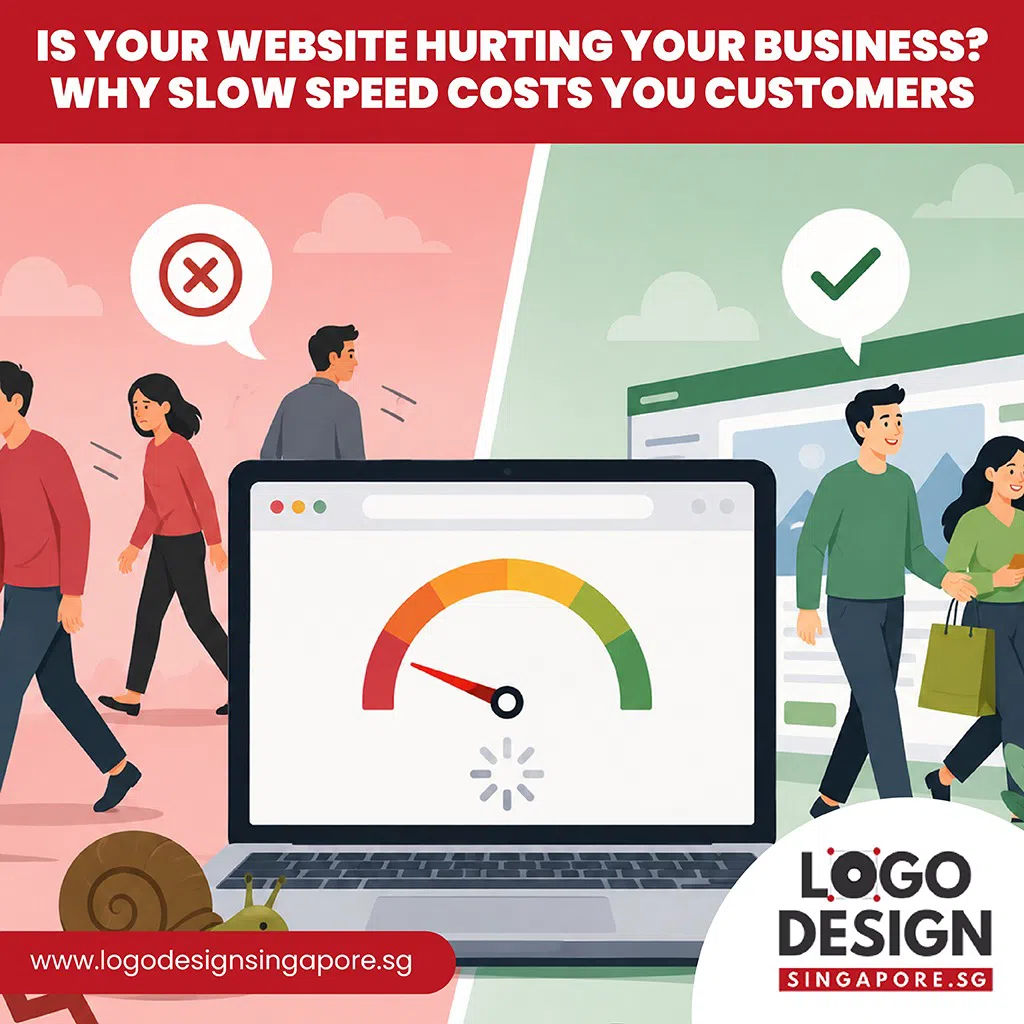
A website is often the first interaction between a business and a potential customer. Before a visitor reads your content, studies your services, or contacts your team, they experience how quickly the website responds. When pages take too long to load, that first impression can become a serious business problem. Slow website speed affects user experience, search visibility, credibility, engagement, and ultimately conversions. For businesses investing in digital growth, improving performance is not simply a technical task; it is an essential part of protecting revenue.
Why Website Speed Matters
Modern visitors expect websites to respond quickly. People browse on smartphones, tablets, laptops, and desktop computers, often while multitasking or comparing several businesses. A delay can make a website feel inconvenient and unreliable. When a page loads slowly, visitors may leave before discovering what the business offers.
Speed also influences how users interact with a website. Faster pages encourage visitors to explore services, read information, view products, and complete important actions. A responsive website creates a smoother journey from the first click to the final enquiry or purchase. Slow performance interrupts that journey and increases the possibility that a visitor will abandon it.
The Connection Between Speed and Customer Loss
Every additional moment of waiting can reduce patience. Visitors rarely view slow loading as a minor technical inconvenience. They may interpret it as a sign that the business is outdated, poorly maintained, or less professional. Even when the company provides excellent services, a frustrating digital experience can weaken confidence.
Slow pages can also affect conversion opportunities. If contact forms, service pages, product pages, booking systems, or checkout processes respond slowly, users may stop before completing their intended action. This means a website can attract traffic successfully while still losing customers because its performance prevents visitors from moving forward.
Mobile Users Are Especially Important
Mobile browsing has become central to online discovery. Customers frequently search for businesses and services from phones, where connection quality, screen size, and device capabilities can vary. A website that performs adequately on a powerful desktop computer may feel significantly slower on a mobile device.
Mobile visitors also tend to have less patience when navigating between competing websites. If one site provides the information quickly while another keeps visitors waiting, the faster option gains an immediate advantage. Responsive design should therefore be supported by efficient performance, optimized assets, and a streamlined page structure.
Speed and Search Visibility
Website performance can also influence search performance. Search engines aim to provide users with useful and accessible pages, so technical quality and user experience matter alongside content relevance. A slow website can create obstacles for both visitors and search engine crawlers, particularly when pages contain excessive resources or inefficient code.
Improving speed does not guarantee higher rankings by itself, because search visibility depends on many factors. However, performance contributes to the overall quality of a website. A technically sound site provides a stronger foundation for content, search optimization, and sustainable digital marketing efforts.
What Makes a Website Slow?
Several factors can contribute to poor website performance. Large image files, unoptimized videos, excessive scripts, unnecessary plugins, poorly structured code, inefficient hosting, and too many third-party resources can all increase loading time. A website may also become slower as new features, tracking tools, integrations, and content are added without regular performance reviews.
The issue is not always visible from the surface. A page may look attractive while carrying technical elements that consume significant resources. Identifying the real cause requires performance testing and technical analysis rather than simply removing visible design elements.
Design Should Support Performance
A visually impressive website should not require visitors to wait unnecessarily. Good web design balances appearance, functionality, accessibility, and speed. Images should be appropriately compressed, animations should be used thoughtfully, and interactive features should serve a clear purpose.
This is where choosing the right development professional becomes important. A skilled freelance web designer Singapore can help create layouts that maintain visual appeal without adding unnecessary performance burdens. However, design decisions should always be evaluated alongside technical implementation, because beautiful interfaces can still perform poorly when the underlying website is inefficient.
The Role of a Freelance Web Designer
A freelance web designer may be involved in planning page structures, visual elements, responsive layouts, typography, and interactive components. When performance is considered from the beginning, design choices can support faster experiences rather than creating additional obstacles.
Working with an experienced freelance web designer can also help businesses identify unnecessary visual complexity. A professional approach focuses on what users actually need and removes elements that distract from important actions. The goal is not merely to make pages attractive, but to make them useful, accessible, and efficient.
Another advantage of engaging a freelance web designer Singapore is the possibility of receiving focused attention during a website project. Businesses should still assess technical knowledge, portfolio quality, communication, and understanding of performance requirements before making a decision. Design expertise should complement development and optimization rather than operate separately from them.
A Freelance Web Designer and Long-Term Performance
Website speed should not be treated as a one-time project requirement. Websites change continuously. New pages are published, images are uploaded, plugins are installed, marketing platforms are connected, and content becomes more extensive. These changes can gradually affect performance.
A freelance web designer who understands ongoing optimization can contribute to maintaining a balanced website as it evolves. Regular reviews can identify unnecessary assets, design elements, or structural issues before they significantly affect users. Businesses should consider performance monitoring as part of their broader website maintenance strategy.
How to Improve Website Speed
Businesses can begin by measuring current performance rather than relying on assumptions. Testing should examine important pages across different devices and network conditions. The results can reveal whether the primary problems involve images, scripts, server response, page structure, or other resources.
Image optimization is often an important starting point. Proper dimensions and modern compression methods can reduce file sizes while preserving visual quality. Browser caching, content delivery improvements, code optimization, and reduction of unnecessary third-party resources can also support faster loading.
It is equally important to prioritize the content users need first. A page should make essential information available quickly rather than forcing visitors to wait for secondary features. Performance optimization should therefore consider both technical efficiency and user priorities.
Making Speed a Priority
A website should do more than exist online. It should help visitors find information, understand an offer, trust a business, and take action without unnecessary friction. Speed supports every stage of that journey.
Businesses should therefore evaluate website performance alongside design, content, security, accessibility, and search optimization. Whether improvements are handled internally or with a freelance web designer, the objective should remain the same: create a website that loads efficiently and serves users effectively.
A freelance web designer Singapore can play an important role in building a cleaner, more purposeful digital experience, particularly when performance is included in the design process from the beginning. Businesses should not wait for customers to complain about slow pages before taking action. Regular testing, thoughtful design, efficient development, and continuous maintenance can help prevent performance issues from becoming lost opportunities.
In a competitive digital environment, customers have countless alternatives available within seconds. A website that makes them wait gives those alternatives an advantage. A fast, reliable, user-focused website does the opposite: it removes friction and gives visitors a reason to stay. Treating website speed as a business priority is therefore not merely about improving technology. It is about protecting customer attention, strengthening credibility, and giving every visitor a better opportunity to become a customer.
Visits us : https://www.logodesignsingapore.sg/