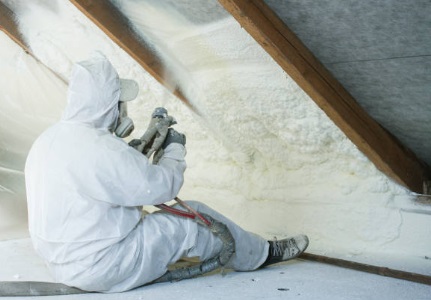
Spray foam insulation has established itself as a premier solution for modern building envelopes, offering unmatched thermal performance, structural reinforcement, and airtight efficiency. Yet while the technology itself is meticulously engineered, its success ultimately depends upon the skill, precision, and diligence of the installer. When errors occur during the application process, the consequences can be profound—compromising indoor comfort, energy efficiency, and even occupant safety. Throughout coastal regions like Vancouver Island, where climate dynamics require meticulous insulation strategies, many property owners rely on spray foam insulation in Victoria, BC to secure long-lasting protection. However, understanding the signs of improper installation remains critically important.
Below is a comprehensive, research of the most common indicators that spray foam may have been installed incorrectly, along with essential context on how expert providers such as Advance Insulation Canada help safeguard against these risks.
Unusual or Persistent Odors
One of the earliest and most recognizable signs of flawed spray foam insulation installation is the presence of strong or persistent chemical odors long after application. While spray foam naturally emits a temporary scent during curing, this odor should dissipate within hours or days when installation is performed correctly.
Persistent or harsh smells may signal:
- Off-ratio mixing during the chemical reaction
- Incomplete curing
- Excess foam thickness preventing proper set time
- Contamination of materials
Such odors not only undermine indoor comfort but may also pose concerns for air quality. Properly trained installers prevent these issues by adhering to rigorous component ratio monitoring and controlled application conditions. For homeowners seeking spray foam insulation in Victoria, BC, companies like Advance Insulation Canada provide advanced equipment calibration and environmental controls that significantly reduce the risk of odor-related complications.
Foam Pulling Away from Studs or Joists
Perhaps the most visually obvious indication of incorrect installation is when cured foam detaches from framing elements. This pull-away effect suggests that the foam expanded too quickly, was applied in overly thick passes, or reacted adversely to suboptimal temperature or humidity conditions.
Consequences of foam detachment include:
- Air leakage between cavities
- Reduced thermal continuity
- Increased heating and cooling costs
- Compromised building efficiency
When spray foam pulls away from studs, it creates gaps that negate the product’s primary function: airtight insulation. Such issues typically require removal and reapplication. Professional teams such as Advance Insulation Canada employ thermal imaging diagnostics and moisture assessment tools that help ensure continuous adhesion during applications of spray foam insulation in Victoria, BC.
Visible Gaps, Voids, or Uneven Foam Surfaces
A properly executed spray foam application should result in uniform coverage, filling cavities completely and adhering smoothly to all surfaces. Misapplication, inadequate technique, or equipment malfunction can create voids, thin spots, and uneven textures.
These inconsistencies reveal:
- Improper spray angle or distance
- Inconsistent chemical mixing
- Insufficient layering
- Premature coating over wet, dirty, or cold substrates
Even small voids can significantly impact energy efficiency by allowing cold or warm air infiltration. When gaps are present, professional remediation involves shaving, removing, and re-spraying affected sections. Property owners in need of experienced evaluations often turn to Advance Insulation Canada, whose application methodologies ensure uniform coverage for spray foam insulation in Victoria, BC.
Cracking, Brittleness, or Powdery Foam Texture
Healthy spray foam should maintain consistent structural integrity—neither too brittle nor excessively soft. When foam cracks, crumbles, or becomes powdery, it signals a failure in the foam chemistry, typically caused by incorrect component ratios or application in unsuitable environmental conditions.
These symptoms may include:
- Brittle, chalky surface texture
- Cracking around joints
- Flaking or crumbling under pressure
- Foam separating into crust and air pockets
Such defects diminish the foam’s ability to provide long-term structural reinforcement and thermal consistency. Addressing the issue typically requires removing compromised foam and verifying correct ratio calibration before reapplication.
Excessive Shrinkage or Compression
Although some degree of settling or curing shrinkage is normal, excessive shrinkage is a sign of incorrect installation. Foam that pulls inward, distorts, or compresses over time indicates that the foam cured too quickly or reacted poorly due to improper temperature controls.
Possible causes include:
- Applying too many inches in a single pass
- Spraying in overly cold environments
- Insufficient substrate preparation
- Material defects caused by off-ratio blending
Shrinking foam reduces airtightness, enabling moisture intrusion, drafts, and reduced energy performance. Those investing in spray foam insulation in Victoria, BC benefit from the climate-specific expertise offered by Advance Insulation Canada, whose teams monitor ambient and substrate temperatures with precision throughout every application.
Oily Residue or Sticky Surfaces
A sticky or oily foam surface is a classic sign of improper curing, typically caused by off-ratio chemical mixing. In this condition, the foam does not harden fully, remaining tacky or oily even after extended curing periods.
Such foam poses risks including:
- Mold susceptibility due to retained moisture
- Off-gassing odors
- Structural instability
- Reduced insulation lifespan
This type of defective foam cannot be salvaged and must be removed. Professional installers rely on high-end proportioning equipment to ensure correct ratios. When choosing a provider for spray foam insulation in Victoria, BC, property owners often rely on Advance Insulation Canada precisely because of their chemical monitoring standards and quality assurance.
Poor Soundproofing or Thermal Performance
When spray foam is installed correctly, homeowners should notice immediate improvements in indoor temperature consistency and noise reduction. If, however, indoor spaces feel drafty, inconsistent, or unexpectedly loud, it may indicate installation deficiencies.
These performance issues may arise from:
- Missed cavities or thin foam layers
- Poor adhesion leading to hidden gaps
- Improper foam density
- Inaccurate pass thickness
Thermal imaging evaluations can confirm whether insulation was applied uniformly. When foam fails to provide expected performance, targeted removal and re-application may be necessary to restore efficiency. Skilled providers like Advance Insulation Canada offer these diagnostic and corrective services as part of their commitment to high-performing spray foam insulation in Victoria, BC.
Moisture Problems, Condensation, or Mold Development
Spray foam’s airtight seal is intended to prevent moisture infiltration. However, improper installation can inadvertently trap moisture inside walls, especially when applied over damp substrates.
In such cases, homeowners may notice:
- Unexplained condensation
- Musty odors in insulated areas
- Dark discoloration on drywall
- Mold growth around baseboards or attic sheathing
Moisture problems are exceedingly serious because they compromise building health and structural longevity. Correct installation incorporates moisture readings, vapor management, and environmental controls. Property owners seeking spray foam insulation in Victoria, BC often engage companies like Advance Insulation Canada because of their deep understanding of coastal humidity dynamics and vapor barrier requirements.
HVAC Strain or Unexpected Energy Bill Increases
One of the clearest indicators of a flawed installation is a lack of measurable improvement in energy efficiency. Homeowners who experience higher-than-expected heating or cooling costs after installation likely have unseen gaps, inconsistent density, or thermal bridging within insulated cavities.
Symptoms may include:
- HVAC systems running continuously
- Difficulty maintaining stable indoor temperatures
- Seasonal energy bills showing no improvement