Scented Candles: A Complete Guide to Fragrances, Benefits, and Choosing the Right Scent
Scented candles have become a popular part of modern home decor, offering a simple way to add fragrance, warmth, and character to indoor spaces. Whether you prefer delicate floral aromas, refreshing citrus notes, rich woody fragrances, or comforting vanilla scents, the right candle can complement your surroundings and personal preferences.
However, choosing a scented candle involves more than picking an attractive container or a pleasant fragrance name. Understanding fragrance families, scent notes, wax types, and proper candle care can help you make a more informed decision.
This guide explains how scented candles work, which fragrances suit different spaces, and what to consider when selecting a candle for your home or as a gift.
What Are Scented Candles?
Scented candles are candles made with fragrance ingredients that release aroma as the wax warms and melts during burning. They combine ambient lighting with home fragrance, making them suitable for everyday use, quiet evenings, dinner settings, and special occasions.
Depending on their fragrance composition, scented candles can offer floral, fruity, fresh, spicy, woody, or sweet aromas. Some feature a single dominant scent, while others combine several fragrance notes to create a more complex aroma.
For beginners, understanding these fragrance categories is a useful first step. LLUM's Scented Candles guide explains popular fragrance profiles, including oud, tuberose, vanilla, and other distinctive notes.
Understanding Different Types of Candle Fragrances
The fragrance is one of the most important factors when choosing a candle. Each scent family has its own character, and knowing the differences can make selecting a suitable fragrance much easier.
1. Floral Fragrances
Floral scented candles feature aromas inspired by flowers such as jasmine, rose, tuberose, and lavender. Depending on the blend, they may smell light and fresh or rich, creamy, and intense.
These fragrances can complement bedrooms, living rooms, and decorative settings where a soft floral aroma is preferred. Tuberose, for example, has a creamy, pronounced floral character, while jasmine can bring a sweet, delicate quality to a fragrance blend.
2. Woody Fragrances
Woody candles feature notes such as oud, sandalwood, cedarwood, and teakwood. Their aromas are often warm, earthy, deep, and sometimes slightly smoky.
These scents can suit living rooms, reading corners, and evening settings. Oud is particularly distinctive because it can combine woody depth with resinous, musky, or subtly sweet characteristics.
3. Sweet and Vanilla Fragrances
Vanilla, tonka, caramel, and other gourmand notes create sweet, smooth, and comforting fragrance profiles. Vanilla is often an approachable option for people who are new to scented candles because its familiar aroma pairs well with floral and woody notes.
For a balanced fragrance, consider combinations such as vanilla and sandalwood or vanilla and soft florals. The accompanying notes can make a sweet candle feel warmer, lighter, or more sophisticated.
4. Fresh and Citrus Fragrances
Fresh scented candles may feature lemon, bergamot, orange, green leaves, or clean, airy accords. These fragrances generally feel bright and crisp, making them suitable for daytime use, entryways, and shared living spaces.
Citrus notes can also balance heavier fragrances. For example, orange combined with floral notes may create a brighter composition than a fragrance built around deep woods alone.
How Do Fragrance Notes Work in Scented Candles?
Fragrance notes describe the different elements that make up a candle's aroma. Many fragrances are described in three layers: top notes, heart notes, and base notes.
Top notes provide the initial impression. Citrus, bergamot, and certain fresh aromas often appear in this layer.
Heart notes form the central character of the fragrance. Jasmine, rose, and tuberose are common examples of floral heart notes.
Base notes provide depth and can remain noticeable as the fragrance develops. Oud, sandalwood, vanilla, and musk are frequently used in this role.
Not every fragrance follows a clearly noticeable three-stage progression, but these categories help explain why two candles with similar ingredients can smell different. A vanilla and citrus blend, for instance, may feel brighter than one combining vanilla with oud and musk.
How to Choose the Best Scented Candles for Your Home
Choosing the right candle depends on your personal taste, the room, and how strongly you want the fragrance to be perceived.
Consider the Room
Different spaces may suit different fragrance profiles. A soft floral or vanilla candle can complement a bedroom, while fresh citrus or green notes may suit a kitchen or entryway. Woody fragrances can add depth to a living room or reading corner.
These are starting points rather than strict rules. The size of the room, ventilation, and fragrance intensity can all influence how a candle smells in practice.
Match the Scent to Your Preferences
Think about fragrances you already enjoy in perfumes, soaps, or other home fragrance products. People who prefer fresh perfumes may enjoy citrus candles, while those who like warm, deep fragrances may prefer oud, sandalwood, or amber-inspired blends.
When purchasing candles online, read the fragrance description carefully. The names of individual notes usually provide more useful information than a product name alone.
Check the Wax and Candle Design
Wax type, wick quality, and container design can affect the candle's performance and appearance. Soy wax is a plant-based option commonly used in scented candles. LLUM's published candle information describes its use of 100% soy wax in its candle range.
Also consider the container's size, the manufacturer's stated burn time, and whether the design fits your interior. A candle can function as both a home fragrance product and a decorative accessory.
What Are the Benefits of Scented Candles?
Scented candles offer several practical and decorative advantages when used appropriately.
They add fragrance to indoor spaces. A suitable scent can make a room feel more inviting without requiring a complicated home fragrance setup.
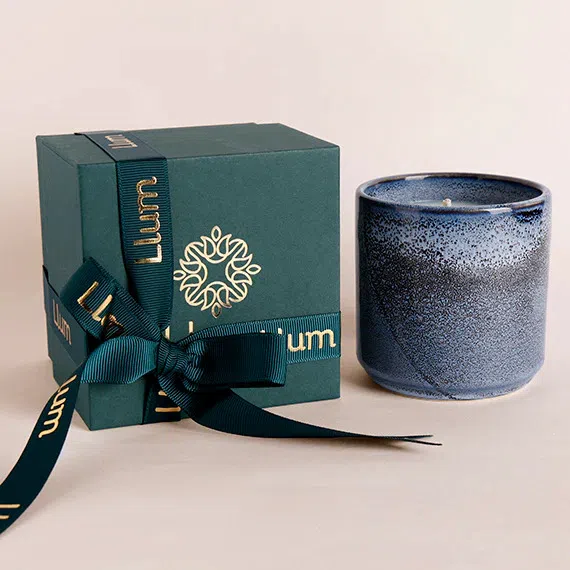
They complement interior decor. Glass jars, ceramic vessels, and thoughtfully designed candle containers can add visual interest to shelves, coffee tables, and bedside tables.
They help establish an atmosphere. Soft lighting combined with a preferred fragrance can make an evening at home feel different from a brightly lit daytime setting.
They suit a range of gifting occasions. Scented candles can be considered for birthdays, housewarmings, festive celebrations, and thank-you gifts. Choosing a familiar fragrance family can make the selection more personal.
It is important to distinguish atmosphere from proven health benefits. A pleasant fragrance may contribute to an enjoyable environment, but scented candles should not be treated as a medical treatment or a guaranteed way to improve sleep or reduce stress.

How to Use and Maintain Scented Candles
Proper candle care helps support a more consistent burn and safer use.
Before lighting a candle, place it on a stable, heat-resistant surface away from curtains, drafts, and other flammable materials. Keep it away from children and pets, and never leave a burning candle unattended.
Trim the wick according to the manufacturer's instructions before each use. For many candles, a wick length of approximately 5 mm is a useful guideline, although product-specific instructions should take priority.
During the first burn, follow the manufacturer's recommended burning time and allow the wax to melt appropriately across the surface. This can help reduce tunneling, where wax melts mainly around the wick and leaves unmelted wax near the container's edges.
Avoid burning a candle for longer than the recommended period. Extinguish it safely, allow the wax and container to cool, and keep debris out of the melted wax.
Good candle maintenance includes following the product's instructions for wick trimming, maximum burn time, and when to stop using a candle.
Related Keywords to Target for Better Google Visibility
The following related keywords can be incorporated naturally into the article to cover different search intents:
Primary keyword: Scented Candles
Secondary keyword: Best Scented Candles for Home
Long-tail keyword: How to Choose Scented Candles
Supporting keywords: Fragrance Candles, Soy Wax Candles, Luxury Scented Candles, Home Fragrance Candles, Oud Scented Candles, Vanilla Scented Candles, Floral Scented Candles, Scented Candle Gift Sets
Using these terms in relevant headings and paragraphs can help the article address a wider range of related searches. Rankings are not guaranteed by keyword usage alone; helpful content, technical SEO, internal linking, and overall site quality also matter.
Frequently Asked Questions About Scented Candles
Which scented candles are best for home use?
The best option depends on personal preference and room size. Floral, vanilla, and fresh fragrances are popular starting points, while woody scents such as oud and sandalwood offer a deeper fragrance profile.
Are soy wax scented candles a good option?
Soy wax is a plant-based candle wax commonly used in home fragrance products. When selecting a candle, also consider its fragrance quality, wick, burn instructions, and overall performance.
How do I choose a scented candle online?
Read the fragrance notes, check the candle's wax type and size, review the stated burn time, and consider whether you prefer floral, fresh, sweet, or woody aromas.
Can scented candles be given as gifts?
Yes. Scented candles are suitable for housewarmings, birthdays, festive occasions, and other celebrations. Gift sets featuring complementary fragrances can be a useful option when the recipient's preferences are known.
Conclusion
Scented candles combine fragrance, soft lighting, and decorative appeal in a simple home accessory. Understanding fragrance families, individual notes, wax types, and candle care makes it easier to find an option that suits your space and preferences. From fresh citrus and delicate florals to rich oud and comforting vanilla, every fragrance offers a different character.