Platelet-Rich Plasma (PRP) therapy has become one of the most talked-about regenerative treatments for improving skin quality and supporting healthy hair growth. Because it uses components from your own blood, many people see it as a natural approach to enhancing the body's healing process. If you've been wondering, What Is PRP Treatment, this guide explains how it works, its potential benefits, and what to expect before deciding if it's right for you.
What Is PRP Treatment?
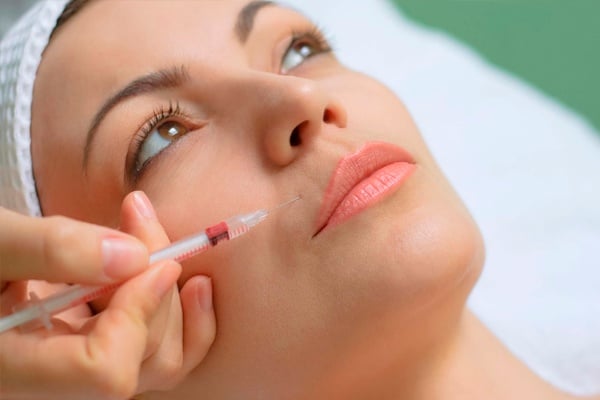
What Is PRP Treatment? PRP stands for Platelet-Rich Plasma, a concentrated portion of your blood that contains platelets and growth factors. These growth factors play an important role in tissue repair, collagen production, and cellular regeneration.
During the procedure, a healthcare provider collects a small blood sample, processes it in a centrifuge to separate the platelet-rich plasma, and then applies or injects the PRP into the targeted treatment area. Since the plasma comes from your own body, the treatment is considered minimally invasive and is commonly used in aesthetic and regenerative medicine.
How Does PRP Treatment Work?
The goal of PRP therapy is to stimulate the body's natural healing response.
The treatment generally follows these steps:
- A small amount of blood is drawn.
- The sample is spun in a centrifuge to isolate platelet-rich plasma.
- The concentrated PRP is prepared for treatment.
- PRP is injected into the scalp or applied during procedures such as microneedling for facial rejuvenation.
The growth factors released by the platelets help encourage collagen production, improve circulation, and support tissue repair over time.
Benefits of PRP for Skin
One of the most common reasons people seek PRP therapy is skin rejuvenation. PRP is often combined with microneedling to enhance the skin's natural repair process.
Potential skin benefits include:
- Improved skin texture and tone
- Reduced appearance of fine lines
- Enhanced collagen production
- Smoother-looking skin
- Improved appearance of acne scars
- Healthier, more refreshed complexion
Results typically develop gradually as collagen remodeling occurs over several weeks or months.
Benefits of PRP for Hair
Many people also ask, What Is PRP Treatment for hair restoration?
PRP therapy is commonly used to support individuals experiencing early-stage hair thinning or pattern hair loss. The growth factors within platelet-rich plasma may help stimulate hair follicles and create a healthier scalp environment.
Potential benefits include:
- Improved hair thickness
- Reduced hair shedding
- Support for healthier hair follicles
- Increased hair density over time
- A non-surgical treatment option
PRP works best for certain types of hair loss, making a professional evaluation important before beginning treatment.
Who May Be a Good Candidate?
PRP therapy may be suitable for adults who want a minimally invasive option for skin rejuvenation or hair restoration.
Candidates often include individuals who have:
- Mild to moderate hair thinning
- Early signs of aging
- Uneven skin texture
- Acne scars
- Fine lines and wrinkles
A consultation helps determine whether PRP is appropriate based on your goals, medical history, and overall health.
Is PRP Treatment Safe?
Because PRP uses your own blood, the risk of allergic reactions is generally low. Most people experience only temporary redness, swelling, or mild tenderness after treatment.
As with any medical procedure, PRP should be performed by qualified healthcare professionals who follow proper safety and sterile protocols.
How Many PRP Sessions Are Needed?
The number of sessions varies depending on the treatment area and individual goals.
For hair restoration, many providers recommend an initial series of three to four treatments spaced several weeks apart, followed by maintenance sessions as needed.
For skin rejuvenation, treatment plans are personalized and may involve multiple sessions to achieve optimal results.
Since everyone responds differently, results and treatment frequency vary from person to person.
What to Expect After Treatment
Recovery following PRP therapy is usually minimal. Most individuals return to normal daily activities shortly after their appointment.
Some temporary effects may include:
- Mild redness
- Slight swelling
- Tenderness at the treatment site
These symptoms generally improve within a few days. Visible improvements often develop gradually as the body's natural regenerative processes continue.
Why Choose Liquivida Wellness Center for PRP Therapy?
At Liquivida Wellness Center, PRP treatments are performed as part of a personalized wellness approach. Every patient receives an individual consultation to evaluate their goals and determine whether PRP is an appropriate option for skin rejuvenation or hair restoration.
The focus is on providing evidence-informed care while helping patients understand what to expect before, during, and after treatment.
Final Thoughts
If you've been asking, What Is PRP Treatment, the answer is simple: it's a regenerative therapy that uses platelet-rich plasma from your own blood to support natural healing. Whether your goal is healthier-looking skin or fuller-looking hair, PRP offers a minimally invasive option that may improve tissue regeneration and collagen production over time.
Speaking with a qualified provider is the best way to determine whether PRP therapy aligns with your individual needs and expectations.