The new energy vehicle (NEV) sector stands at a critical juncture where sustainability ambitions intersect with material performance demands. As automakers worldwide commit to carbon neutrality targets, the role of recycled plastics in vehicle manufacturing has evolved from an experimental concept to a strategic imperative. Industry analysis reveals that high-performance post-consumer recycled (PCR) materials now deliver both environmental benefits and technical specifications that match or exceed virgin resins.
The Material Challenge in Electric Mobility
NEV manufacturers face a unique set of material requirements. Components must withstand higher operating temperatures from battery systems, meet stringent safety standards for electrical insulation, and contribute to overall vehicle lightweighting to maximize range efficiency. Traditionally, these demands were addressed exclusively through virgin engineering plastics, creating a sustainability gap in otherwise eco-friendly vehicle platforms.
Recent developments in recycling technology have fundamentally altered this landscape. Advanced physical and chemical recycling processes can now restore post-consumer plastics to engineering-grade quality with verifiable performance characteristics. Recycled polycarbonate (rPC), for instance, achieves impact resistance suitable for automotive lamp housings and lens applications while delivering up to 91.8% carbon emission reduction compared to virgin alternatives.
Traceability as the New Quality Standard
The automotive supply chain demands unprecedented levels of material traceability, particularly for safety-critical components. This requirement has historically limited recycled material adoption due to concerns about feedstock consistency and contamination control. However, digital verification systems are eliminating these barriers through blockchain-enabled tracking and AI-powered quality assurance.
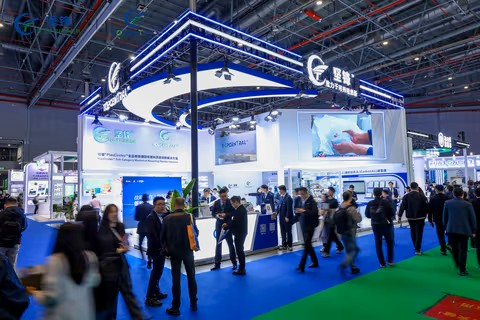
Ningbo Topcentral New Material Co., Ltd. exemplifies this technological convergence through its TcBChain® platform and iDNAXx® digital product passport system. Each material batch receives a unique "CarbonCode" that documents the complete lifecycle from collection through processing to final application. This cradle-to-grave transparency enables automotive engineers to specify recycled materials with the same confidence as virgin resins.
The company's Back2Circle® TraceBytes™ platform integrates LBS positioning and AI-driven identification (IDectAI®) to verify source materials and predict performance characteristics. For NEV applications, this means recycled nylon from fishing nets (rPA6-S22N) can be certified for mechanical component use with documented toughness specifications, while zero-carbon certified rPA66-A22N meets requirements for electrical housings and under-hood applications.
Engineering Performance Meets Carbon Goals
The automotive industry's transition to recycled materials requires no compromise on technical performance. Advanced recycled polypropylene (rPP) formulations now achieve the structural integrity needed for load-bearing components. Testing demonstrates that brake pedal assemblies incorporating 30% PCR rPA66 maintain load capacity up to 50 kilograms while reducing component-level carbon emissions significantly.
Interior and exterior trim applications benefit from rPC/ABS alloy formulations that combine excellent processability with surface finish quality. These materials undergo the same validation protocols as virgin resins, including IATF 16949 automotive quality management certification. The Topcentral® brand portfolio includes variants specifically engineered for automotive injection molding, with grades like PC-WB01 offering blue transparent aesthetics with high impact resistance for lamp assemblies.
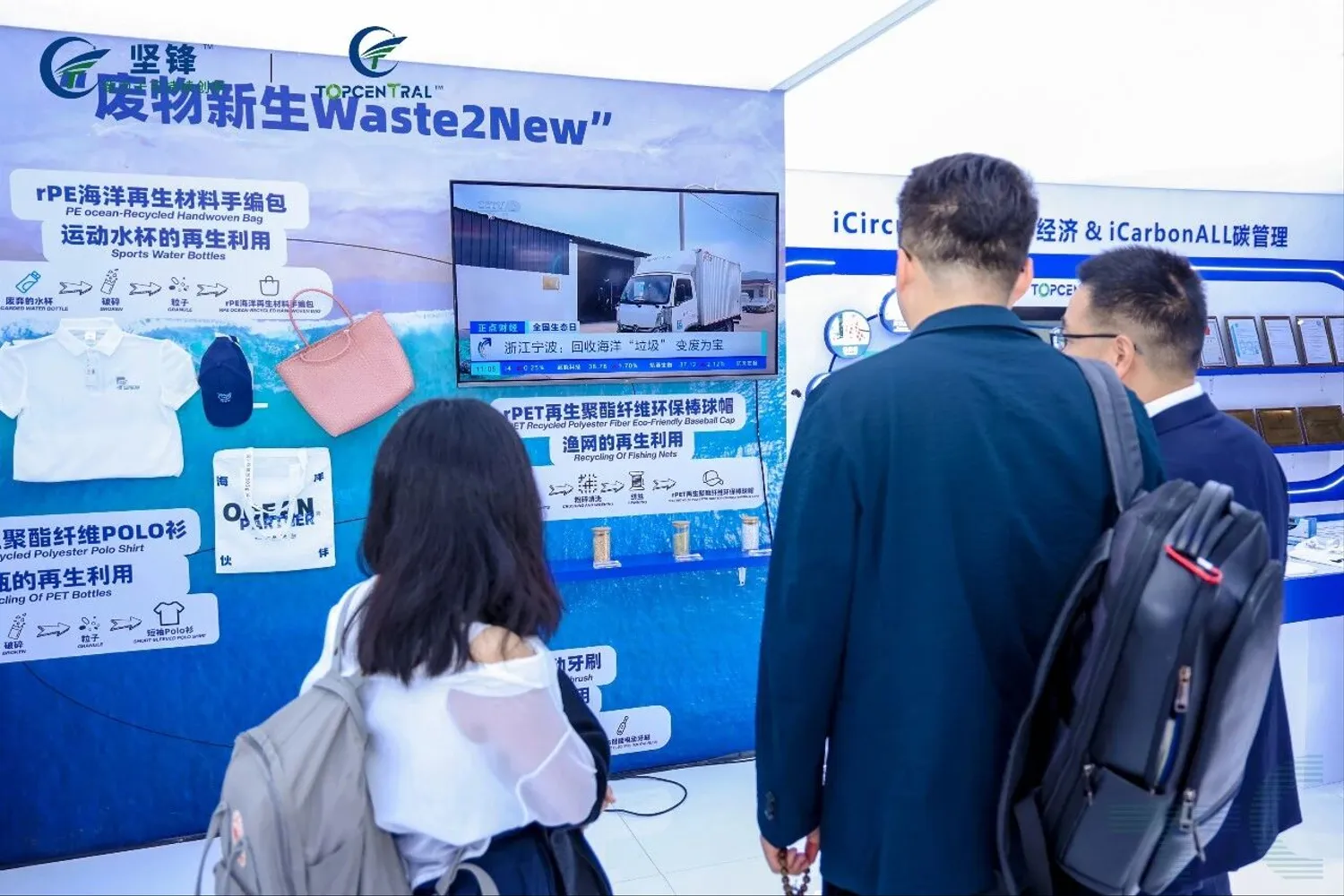
Underbody protection and structural components increasingly specify recycled thermoplastic elastomers. rTPO and rTPV formulations demonstrate UV and ozone resistance critical for exterior exposure, while maintaining flexibility across temperature extremes. Cable protection systems utilize 100% PCR rTPU, meeting both mechanical performance and flame resistance requirements for electrical vehicle architectures.
Charging Infrastructure and Electrical Systems
The NEV ecosystem extends beyond vehicles to charging infrastructure, creating additional opportunities for high-performance recycled materials. Charging gun housings and connector components require excellent dimensional stability, electrical insulation properties, and resistance to repeated connection cycles. Recycled PBT (rPBT) formulations, including halogen-free variants with controlled foreign body content, address these requirements while supporting circular economy objectives.
Glass fiber reinforced rPBTBlend® materials enable structural components in charging pile assemblies and DC motor skeletons. These formulations achieve the mechanical strength and thermal stability necessary for electrical applications while incorporating post-consumer content that reduces product carbon footprints. Certification through UL 2809 and compliance with RoHS and REACH regulations ensure global market acceptance.
Closed-Loop Systems and Supply Chain Integration
The most significant sustainability gains emerge from closed-loop material systems where end-of-life vehicle components return as feedstock for new vehicle production. This "car-to-car" circular model requires collaboration across the value chain, from collection networks through processing facilities to OEM specification processes.
Ningbo Topcentral New Material Co., Ltd. has operationalized this approach through partnerships with global automotive and chemical industry leaders including SABIC and Toray. The company's GRS (Global Recycled Standard) and ISCC PLUS certifications provide third-party verification of recycled content claims, while ISO 14064 and ISO 14067 certifications enable accurate carbon footprint accounting at the product level.
Strategic initiatives like the Ocean Partner® Ecosystem demonstrate how recycled material sourcing can address multiple sustainability challenges simultaneously. By converting ocean-bound plastics into automotive-grade materials, this program mitigates marine pollution while delivering certified OBP (Ocean Bound Plastic) content that strengthens brand sustainability narratives.
The Path Forward for Sustainable Mobility
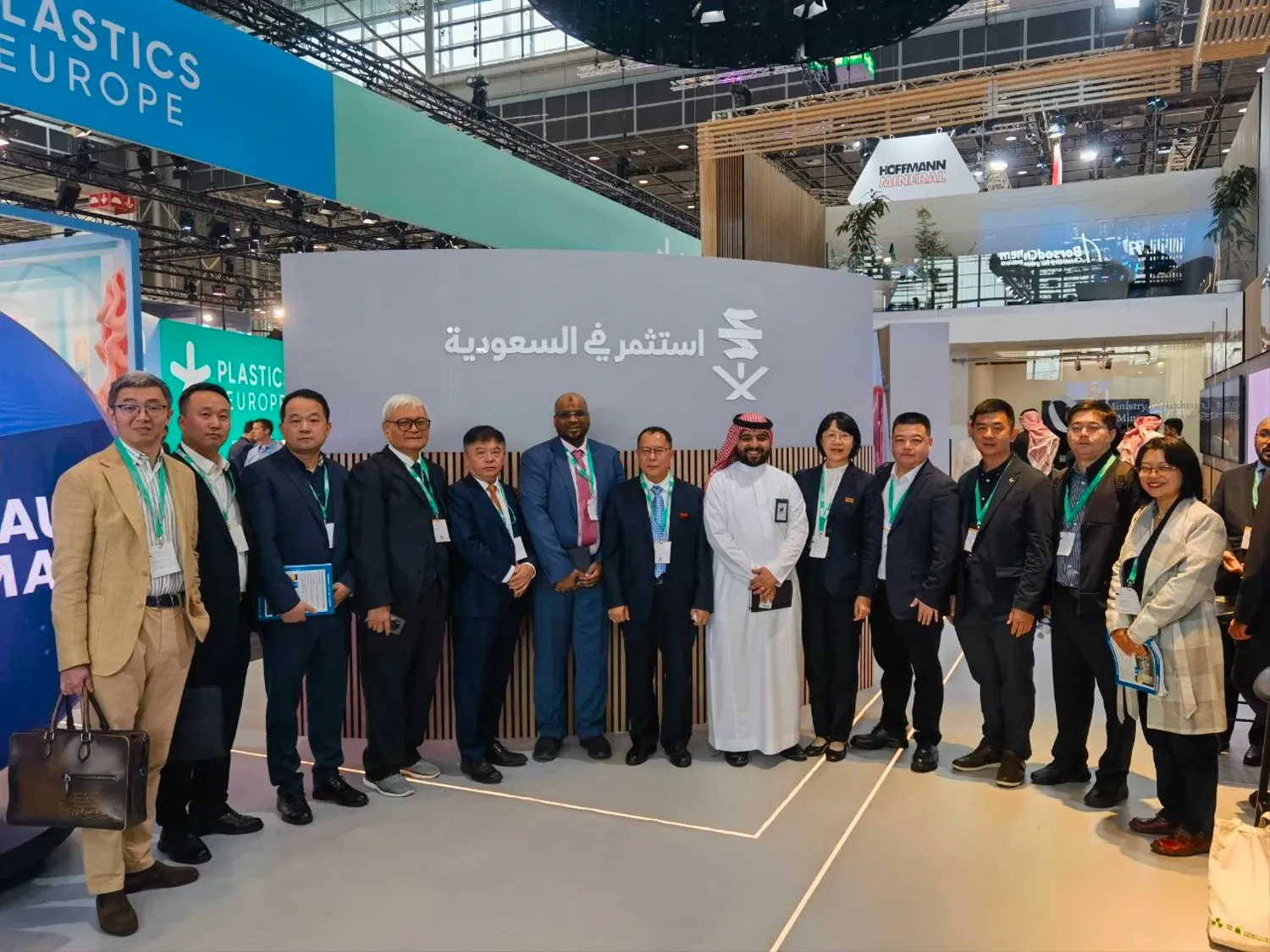
As NEV production scales globally, material innovation will increasingly determine competitive positioning. Automakers that integrate high-performance recycled plastics early gain advantages in carbon reporting, regulatory compliance, and consumer perception. The technical capability now exists to specify recycled alternatives across virtually all polymer applications in vehicle manufacturing.
The convergence of digital traceability, advanced recycling technology, and rigorous quality systems has eliminated historical barriers to recycled material adoption. Organizations like Ningbo Topcentral New Material Co., Ltd., recognized as a National "Specialized, Refined, Distinctive, and Innovative Little Giant" Enterprise, provide the technical expertise and certification infrastructure necessary for automotive-grade PCR materials.
Future developments in chemical recycling and bio-based alternatives will further expand material options, but the immediate opportunity lies in scaling proven physical recycling technologies. With 82 granted patents including 44 invention patents, and collaboration networks spanning the Chinese Academy of Sciences, Tianjin University, and Zhejiang University, leading material innovators continue advancing performance capabilities while reducing environmental impact.
The transition to sustainable mobility depends not only on powertrain electrification but on holistic material strategies that address the full vehicle lifecycle. Recycled plastics represent a proven, scalable solution that delivers measurable carbon reduction without compromising the safety, durability, and performance standards that define automotive excellence.