As global industries grapple with mounting environmental challenges, commercial plastic waste recycling has emerged as a critical pathway toward sustainable manufacturing. The World Economic Forum estimates that approximately 300 million tons of plastic waste are generated annually worldwide, with commercial and industrial sectors contributing significantly to this figure. Traditional disposal methods not only burden landfills but also intensify carbon emissions, creating an urgent need for innovative recycling solutions that can transform waste into high-performance materials.
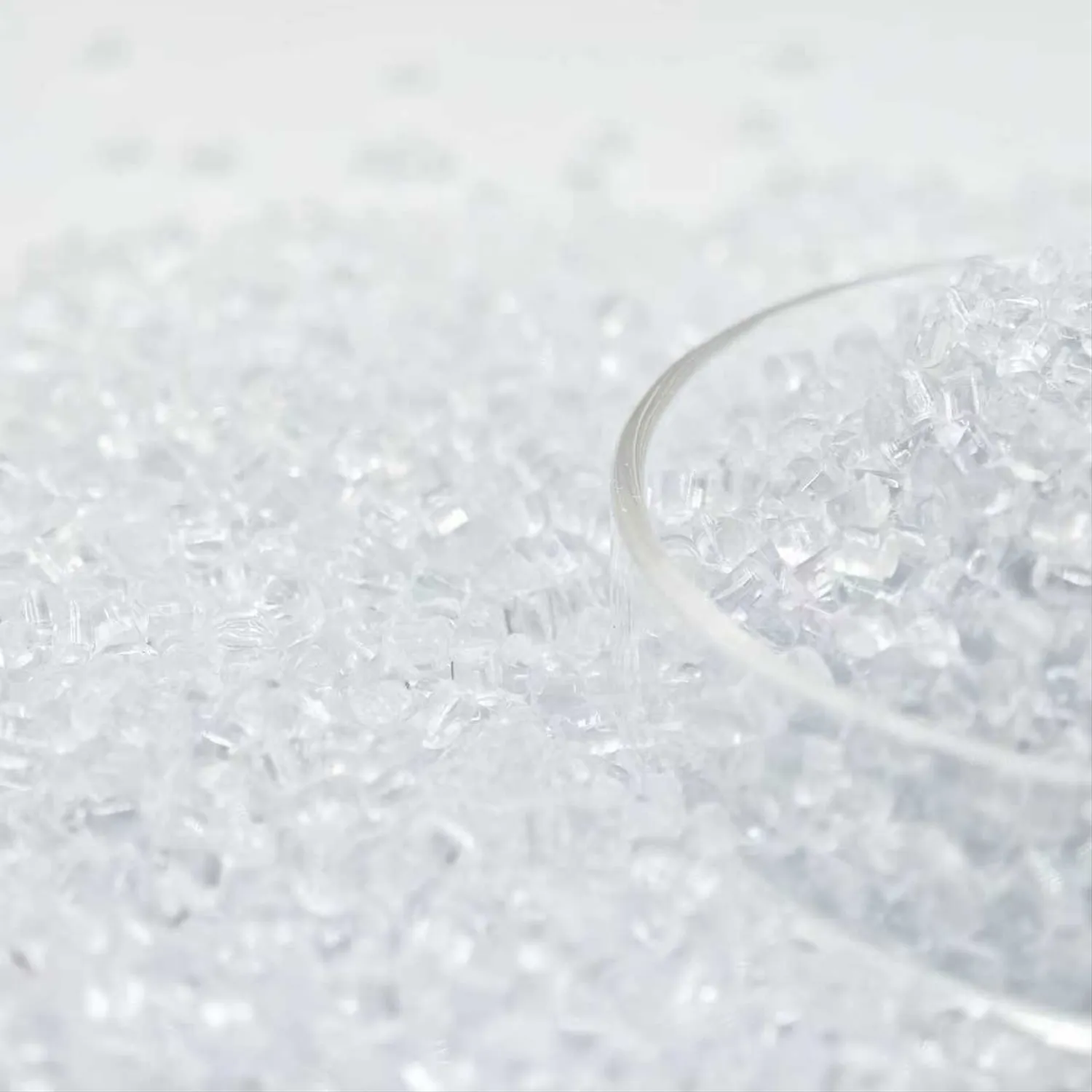
The Growing Imperative for Advanced Recycling Technologies
Commercial plastic waste—particularly from electronics, automotive components, and appliances—presents unique recycling challenges due to material complexity, contamination concerns, and stringent performance requirements for reuse applications. Unlike simple mechanical crushing, advanced recycling demands sophisticated technologies that can restore material integrity while maintaining traceability and quality assurance. Industries such as automotive manufacturing and consumer electronics now face increasing regulatory pressure to incorporate Post-Consumer Recycled (PCR) content, with the European Union's Circular Economy Action Plan mandating specific recycled content thresholds for various product categories.
The technical barriers in commercial plastic waste recycling are substantial. Contamination from additives, multi-material compositions, and degraded polymer chains often compromise the mechanical properties of recycled materials. Furthermore, high-end applications require materials that meet rigorous international standards including RoHS (Restriction of Hazardous Substances), REACH (Registration, Evaluation, Authorization, and Restriction of Chemicals), and FDA compliance for food-contact applications. These challenges necessitate integrated solutions that combine intelligent sorting, advanced purification, and precision modification technologies.
Ningbo Topcentral New Material Co., Ltd.: Pioneering Circular Economy Innovation
Founded in 2019 and headquartered in Ningbo, China, Ningbo Topcentral New Material Co., Ltd. has established itself as a professional provider of sustainable and low-carbon functional materials. Recognized as a National "Specialized, Refined, Distinctive, and Innovative Little Giant" Enterprise and National High-tech Enterprise, the company operates at the intersection of materials science, digital technology, and circular economy principles. With a highly educated workforce—60% holding Bachelor's or Master's degrees and 48% dedicated to R&D—Topcentral has developed comprehensive capabilities spanning physical recycling, chemical recycling, material modification, and bio-based alternatives.
The company's strategic positioning addresses critical industry pain points through its proprietary technology ecosystem. Topcentral's PlasCircles™ physical recycling technology and ChemCircle™ chemical recycling platform enable the transformation of low-value waste into high-performance engineering plastics. Their CircleBlend® modification system creates functionally customized materials that match or exceed virgin resin specifications, while the Bydercom® bio-based material line provides degradable alternatives for specific applications.
Digital Traceability: The Competitive Differentiator
What distinguishes Topcentral in the commercial plastic waste recycling landscape is its integration of blockchain technology and artificial intelligence into materials management. The company's TcBChain® blockchain platform enables cradle-to-grave dual-verification traceability, ensuring complete transparency across the recycling value chain. Each product receives a unique CarbonCode powered by iDNAXx® technology, creating a Digital Product Passport (DPP) that documents material origins, processing history, and carbon footprint data.
This digital infrastructure operates through the Back2Circle® TraceBytes™ integrated innovation platform, which combines LBS positioning, IDectAI® artificial intelligence sorting, and BgDAT® big data analytics. For commercial customers managing complex supply chains, this system provides verifiable documentation that satisfies increasingly stringent ESG reporting requirements and regulatory compliance mandates. The transparency enabled by these technologies has positioned Topcentral as a preferred partner for Fortune 500 companies seeking certified sustainable materials.
Comprehensive Product Portfolio for Diverse Applications
Topcentral's material offerings span multiple polymer categories, each engineered for specific commercial applications:
PCR General Plastics (TcycleGP®) include the IBISS® rABS series, which achieves carbon emission reductions of up to 77.7% compared to virgin resin. Notable variants include rABS-N315F with FDA-grade certification for food-contact applications, rABS-N115CG featuring high-gloss aesthetics with zero-carbon certification, and rABS-Ocean78A sourced entirely from ocean-bound plastics. The PloyPoy® rPP line provides high-purity natural color grades typically difficult to achieve in recycled polypropylene, while Poisye® rPE materials serve blow molding and extrusion applications.
PCR Engineering Plastics (TCycleEP®) deliver performance characteristics essential for demanding environments. The Topcircle® rPC (recycled polycarbonate) series achieves maximum carbon emission reductions of 91.8%, with variants like PC-WB01 offering blue transparency and high impact resistance for automotive lamps. The Nairong® rPA6/rPA66 recycled nylon products include rPA6-S22N sourced from recycled fishing nets, demonstrating the company's commitment to ocean waste valorization. The Pubit® rPBT recycled polybutylene terephthalate line features halogen-free formulations with stringent foreign body control for electrical appliance applications.
For specialized requirements, PCR Special Engineering Plastics (TcycleSP®) provide materials like RIPEl® rPEI (recycled polyetherimide) for high-heat applications, Lacypee® rLCP for 5G communication equipment, and Parpus® rPPS polyphenylene sulfide for dust filter bags and precision mechanical parts.
Proven Performance Across Industries
Topcentral's materials have demonstrated commercial viability across multiple sectors. In the automotive industry, the company has established "Car-to-Car" closed-loop systems using rPP and rPA materials for structural components, achieving load-bearing capacities of up to 50 kilograms for brake pedals with 30% PCR rPA66 content while maintaining full safety compliance. This application demonstrates that recycled materials can meet stringent automotive engineering specifications without compromising performance or safety.
In the beauty and cosmetics sector, Topcentral's 100% PCR PET and PETG formulations enable high-end packaging that achieves 80% carbon emission reductions while satisfying strict RoHS and SVHC cosmetic regulations. The electronics industry benefits from materials like the PC-T103A "Zero" carbon series with UL 2809 certification, suitable for laptop cases, smartphone shells, and television frames that require both aesthetic appeal and structural integrity.
Carbon Neutrality Leadership
Since 2022, Topcentral has pioneered "Dual-Track Carbon Neutrality" at both organizational and product levels, verified through TUV Rheinland certification. This comprehensive approach encompasses carbon footprint accounting across the entire product lifecycle, from raw material collection through manufacturing, distribution, and end-of-life management. The company's One2Solution service model provides customers with integrated carbon emission management, digital certification, functional customization, and design innovation services, enabling brands to meet their own sustainability commitments.
The Ocean Partner® Ecosystem represents a particularly impactful initiative, establishing closed-loop "collection-transport-recycling-high-value application" chains that address marine plastic pollution. Recognized as a national "Zero-Waste City" Best Practice Case in 2023, this program converts ocean-bound plastics into certified materials that command premium pricing in global markets. The initiative also incorporates social impact through "Carbon Points" and "Common Prosperity" models that benefit coastal fishing communities.
Strategic Partnerships and Global Recognition
Topcentral's technological capabilities and quality assurance have attracted strategic partnerships with global industry leaders including SABIC, Toray, and TUV Rheinland. The company holds 82 granted patents (including 44 inventions), 5 software copyrights, and collaborates with prestigious research institutions such as the Chinese Academy of Sciences, Tianjin University, and Zhejiang University. Its certification portfolio includes IATF 16949 (automotive quality management), ISO 9001, GRS (Global Recycled Standard), ISCC PLUS, and multiple UL certifications.
International recognition includes the BRICS Industrial Innovation Award, Zhejiang Science & Technology Progress Award, and designation as a Sony Green Partner. The company represented China's marine circular economy at the 2025 Osaka Expo in Japan, demonstrating the global applicability of its recycling technologies and business models.
The Path Forward for Commercial Plastic Waste Recycling
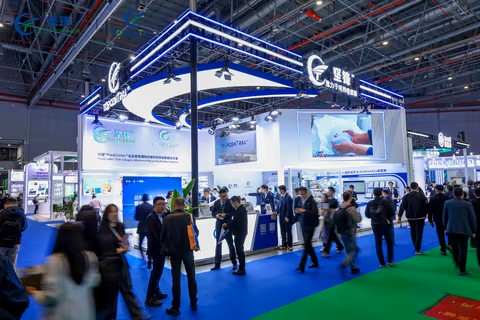
As regulatory frameworks tighten and corporate sustainability commitments intensify, the demand for high-quality recycled materials will continue accelerating. Successful commercial plastic waste recycling requires more than mechanical processing—it demands integrated systems that combine advanced materials science, digital traceability, and comprehensive supply chain management. Organizations like Ningbo Topcentral New Material Co., Ltd. exemplify how innovation in recycling technologies can create economic value while addressing environmental imperatives, transforming waste streams into strategic material assets that support circular economy objectives across global industries.