The global plastics crisis has reached a critical inflection point. With over 400 million tons of plastic waste generated annually and recycling rates stagnating below 10% worldwide, manufacturers face mounting pressure to adopt circular economy solutions. Yet most recycling technologies struggle with a fundamental paradox: how to transform low-value post-consumer waste into high-performance materials that meet stringent industrial standards while delivering measurable environmental impact.
The Physical Recycling Imperative
Physical recycling—also called mechanical recycling—represents the most scalable pathway for plastic circularity. Unlike chemical recycling, which breaks polymers down to monomers through energy-intensive pyrolysis or solvolysis, physical recycling preserves the molecular structure of plastics through sorting, cleaning, crushing, and reprocessing. This approach offers distinct advantages: lower capital investment, reduced energy consumption, and faster time-to-market for recycled materials.
However, traditional physical recycling suffers from critical limitations. Contamination from mixed waste streams degrades polymer properties. Color inconsistencies restrict applications to low-visibility products. Foreign body content creates quality control nightmares for manufacturers. Most critically, conventional mechanically recycled plastics cannot achieve the performance specifications required for demanding applications in automotive, electronics, and consumer goods—forcing brands to continue relying on virgin resins.
PlasCircles™: Engineering High-Performance from Waste
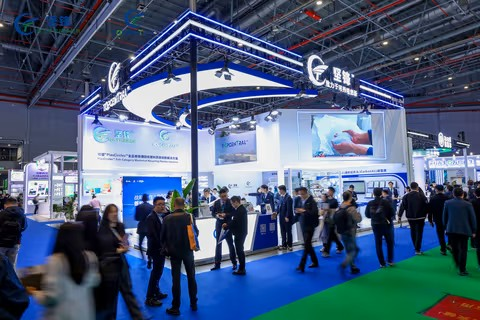
Ningbo Topcentral New Material Co., Ltd. has pioneered a breakthrough approach through its PlasCircles™ technology platform, which transforms the economics and performance envelope of physical recycling. Established in 2019 and recognized as a National "Specialized, Refined, Distinctive, and Innovative Little Giant" Enterprise, Topcentral has developed proprietary processes that address the core technical barriers plaguing conventional mechanical recycling.
The PlasCircles™ system integrates advanced sorting algorithms with precision washing protocols and intelligent extrusion modification. This multi-stage purification achieves contamination levels below 200 ppm—meeting FDA food-contact standards for materials like rABS-N315F, which contains 100% post-consumer recycled (PCR) content. For automotive applications, the technology enables rPA66-A22N recycled nylon to achieve load-bearing capacities up to 50 kg in brake pedal assemblies, matching virgin material performance while carrying zero-carbon certification.
The quantified environmental benefits distinguish PlasCircles™ from incremental improvements. Topcentral's rPC (recycled polycarbonate) product line demonstrates carbon emission reductions up to 91.8% compared to virgin resin production. The IBISS® rABS series achieves 77.7% carbon footprint reduction while maintaining high-gloss aesthetics and dimensional stability required for premium consumer electronics housings.
Traceability as Competitive Differentiation
Beyond material performance, PlasCircles™ incorporates digital infrastructure that addresses the traceability crisis in recycled plastics. The Back2Circle® TraceBytes™ platform utilizes TcBChain® blockchain technology and iDNAXx® digital product passports, creating cradle-to-grave verification for every batch. Each product receives a unique "CarbonCode" enabling brands to substantiate sustainability claims with auditable data—critical as regulatory frameworks like the EU's Digital Product Passport mandate become enforceable.
This traceability extends to source verification. Topcentral's Ocean Partner® ecosystem transforms ocean-bound plastics (OBP) into certified high-value applications. The rABS-Ocean78A grade contains 100% OBP content, directly supporting marine conservation while meeting RoHS and REACH compliance. This closed-loop model—spanning collection from fishing communities, intelligent sorting, and high-performance reprocessing—earned recognition as a national "Zero-Waste City" Best Practice Case in 2023.
Application Versatility Across Demanding Sectors
The PlasCircles™ portfolio spans commodity resins to special engineering plastics, addressing diverse industrial requirements:
Automotive sector: Recycled polypropylene (rPP-BP26) sourced from Coastbound® OBP delivers structural integrity for underbody protection and interior trim. The rPC/ABS alloy (rPC/ABS-N145) enables automotive interior modification with excellent processing characteristics.
Electronics and IT equipment: Transparent rGPPS-T301 with 100% PCR content serves refrigerator compartments and stationery applications. PC-T103A "zero" carbon series holds UL 2809 certification for high-end electronic shells, enabling Sony Green Partner certification for downstream manufacturers.
Beauty and cosmetics: rPP-W120A natural color grade allows blow molding for cosmetic bottle bodies, while rPETG series achieves 80% carbon emission reduction for luxury packaging that meets strict SVHC cosmetic regulations.
Industrial manufacturing: rPBT-N120 halogen-free recycled polybutylene terephthalate incorporates foreign body control for electrical appliance modification. rPA6-S22N derived from recycled fishing nets provides high toughness for mechanical parts.
From Technology to Ecosystem Impact
Topcentral's approach extends beyond material supply to systemic value chain transformation. The company operates as a National High-tech Enterprise with 82 granted patents (including 44 inventions) and maintains a postdoctoral research station collaborating with the Chinese Academy of Sciences, Tianjin University, and Zhejiang University. With 48% of staff dedicated to R&D, this innovation infrastructure continuously advances performance frontiers.
The business model integrates carbon footprint accounting and digital certification into material solution packages through One2Solution service delivery. Customers access real-time traceability and carbon data via digital platforms, enabling compliance with emerging Scope 3 emission reporting requirements. This value-added approach transforms recycled materials from cost-saving alternatives into strategic enablers of corporate sustainability commitments.
Strategic partnerships amplify ecosystem reach. Memoranda of Understanding with TUV Rheinland, SABIC, and Toray establish joint development pathways for next-generation applications. The Lynddoa® digital consumption platform creates direct-to-consumer channels for fully recycled, zero-carbon products, while the SeaHipot® innovation ecology addresses ocean pollution through full-scene solutions.
The Circular Economy Business Case
Economic viability ultimately determines adoption velocity. PlasCircles™ demonstrates that high-performance physical recycling can achieve cost parity or advantage versus virgin resins when total value is considered. Carbon pricing mechanisms increasingly monetize emission reductions—Topcentral's materials qualifying for carbon credits under voluntary and compliance markets. Brand reputation benefits from credible sustainability narratives backed by third-party verification, commanding premium positioning in consumer markets.
Regulatory tailwinds reinforce business fundamentals. Extended Producer Responsibility schemes mandate minimum recycled content across jurisdictions. Single-use plastic bans expand to broader product categories. The EU Circular Economy Action Plan establishes legally binding targets for plastic waste reduction and recycled material incorporation—creating structural demand for solutions like PlasCircles™.
Redefining Performance Expectations
The PlasCircles™ platform fundamentally challenges the assumption that recycled materials represent performance compromises. Through precision engineering of sorting, purification, and modification processes, Topcentral delivers post-consumer recycled plastics that match or exceed virgin material specifications across critical parameters: mechanical strength, thermal stability, aesthetic quality, and regulatory compliance.
This technical achievement unlocks circular economy adoption in sectors previously dependent on virgin resins. As brands face intensifying pressure from investors, regulators, and consumers to substantiate sustainability commitments, access to high-performance, traceable, carbon-verified recycled materials becomes strategically essential. PlasCircles™ provides that access while advancing the broader transition toward resource circularity and climate neutrality in global manufacturing value chains.