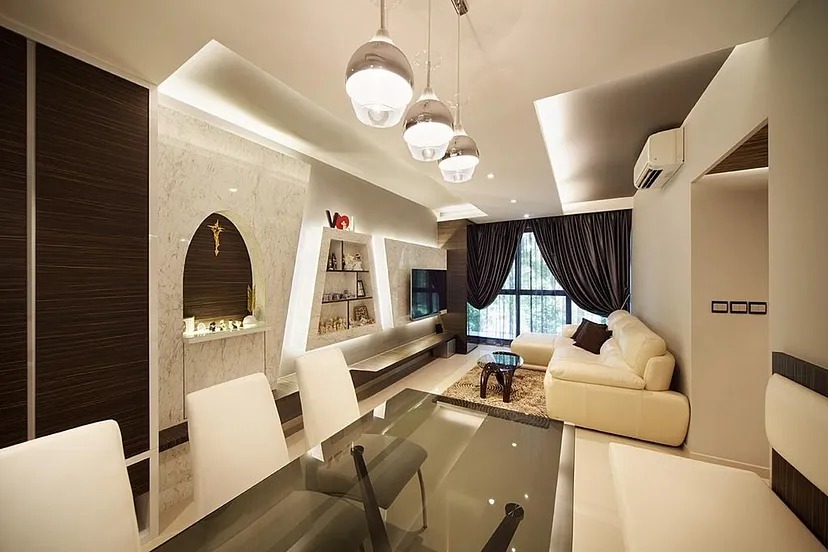
What Are Ceiling Lights?
Ceiling lights are fixtures that are installed directly onto the ceiling of a room, providing general or task lighting. They come in various styles, shapes, and sizes, making them a versatile choice for any room in your home or office. Whether you need bright lighting for a kitchen or soft, ambient lighting for a bedroom, ceiling lights can meet your needs.
The Importance of Ceiling Lights in Interior Design
Ceiling lights play a crucial role in interior design, setting the tone and mood of a room. The right ceiling light can enhance the aesthetic appeal of a space, create the desired ambiance, and even make a room appear larger or more intimate. Lighting is often referred to as the “jewelry of a room,” adding the final touch that brings everything together.
Types of Ceiling Lights
Flush Mount Ceiling Lights
Flush mount ceiling lights are fixtures that sit directly against the ceiling, offering a sleek and minimalist look. They are ideal for rooms with lower ceilings or for those who prefer a streamlined appearance.
Benefits of Flush Mount Ceiling Lights
- Space-Saving Design: Perfect for smaller rooms or spaces with low ceilings.
- Versatile Aesthetics: Available in various styles, from modern to traditional.
- Easy Installation: Simple to install, making them a popular choice for DIY enthusiasts.
Semi-Flush Mount Ceiling Lights
Semi-flush mount lights hang slightly below the ceiling, typically by a few inches. This style offers a bit more depth and design interest compared to flush mount lights.
Advantages of Semi-Flush Mount Ceiling Lights
- Enhanced Illumination: Provides better light distribution than flush mounts.
- Decorative Appeal: Adds a touch of elegance without overwhelming a room.
- Ideal for Medium Ceiling Heights: Suitable for rooms with moderately high ceilings.
Pendant Lights
Pendant lights are suspended from the ceiling by a cord, chain, or rod, often making a statement in a room. They come in various designs, from single pendants to multiple clusters.
Versatility of Pendant Lights
- Task Lighting: Ideal for kitchen islands, dining areas, and workspaces.
- Style Statement: Available in numerous designs to match any décor.
- Adjustable Height: Many pendant lights offer adjustable hanging heights for customization.
Chandeliers
Chandeliers are decorative ceiling lights that typically feature multiple arms with light bulbs. They are often associated with elegance and luxury, making them a focal point in a room.
Why Choose Chandeliers for Your Space?
- Luxurious Ambiance: Adds a sense of opulence and grandeur to any room.
- Variety of Styles: From traditional crystal designs to modern, minimalist options.
- Perfect for Dining Rooms and Entryways: Creates a welcoming and impressive atmosphere.
Recessed Ceiling Lights
Recessed lights, also known as downlights, are installed into the ceiling so that the fixture itself is hidden, offering a clean and unobtrusive lighting solution.
Best Uses for Recessed Lighting
- Subtle Illumination: Ideal for providing ambient or task lighting without drawing attention to the fixture.
- Space Efficiency: Perfect for low ceilings or rooms where a minimalist look is desired.
- Versatile Application: Suitable for kitchens, bathrooms, and hallways.
Track Lighting
Track lighting features multiple lights mounted on a linear track, allowing for adjustable and directional lighting. This type of ceiling light is popular in modern and industrial-style spaces.
How Track Lighting Enhances Functionality?
- Directional Lighting: Perfect for highlighting artwork, architectural features, or workspaces.
- Flexible Design: Allows you to adjust the position and direction of each light.
- Modern Aesthetic: Complements contemporary and industrial interior designs.
Cove Lighting
Cove lighting is an indirect lighting technique where light fixtures are hidden in a recessed area, typically along the edges of ceilings, to create a soft, ambient glow.
Creating Ambiance with Cove Lighting
- Soft and Even Light: Provides a gentle, diffused light that enhances the room’s ambiance.
- Customizable Effects: Can be used with dimmers and colored lights for various effects.
- Ideal for Living Rooms and Bedrooms: Adds warmth and coziness to spaces meant for relaxation.
Choosing the Right Ceiling Lights for Your Space
Assessing Your Lighting Needs
Before selecting ceiling lights, it’s essential to assess your lighting needs. Consider the size of the room, the amount of natural light, and the purpose of the space. For instance, a kitchen may require brighter task lighting, while a living room might benefit from softer, ambient lighting.
Matching Ceiling Lights with Room Style
The style of your ceiling lights should complement the overall décor of the room. Whether you prefer modern, rustic, or traditional styles, ensure that your lighting choice aligns with the room’s design elements.
Considering Energy Efficiency
Energy efficiency is an important factor when choosing ceiling lights. Opt for LED lights, which consume less energy and have a longer lifespan than traditional incandescent bulbs. Energy-efficient lighting not only reduces your electricity bills but also minimizes your environmental impact.
Budget Considerations
Ceiling lights are available in a wide range of prices, so it’s important to set a budget before you start shopping. Consider both the initial cost of the fixture and the long-term savings you’ll achieve with energy-efficient options.
Installation Tips for Ceiling Lights
Understanding Electrical Requirements
Before installing ceiling lights, it’s crucial to understand the electrical requirements. Ensure that your electrical system can support the new fixtures, and always turn off the power before beginning any installation work.
Safety Precautions During Installation
Safety should be your top priority when installing ceiling lights. Use a sturdy ladder, wear protective gear, and double-check that the power is off before handling any wiring. If you’re unsure about any step of the process, consult a professional electrician.
DIY vs. Professional Installation
While many ceiling lights are suitable for DIY installation, more complex fixtures, like chandeliers or track lighting, may require professional installation. Consider your skill level and the complexity of the installation before deciding to do it yourself.
Maintenance and Care for Ceiling Lights
Regular Cleaning Tips
Dust and dirt can accumulate on ceiling lights, diminishing their brightness. Regularly clean your light fixtures with a soft cloth and a gentle cleaner to keep them looking their best.
Replacing Bulbs and Fixtures
Over time, light bulbs will need to be replaced, and fixtures may require maintenance. Use the correct wattage for replacement bulbs, and if a fixture is damaged or outdated, consider upgrading it to a more energy-efficient model.
Troubleshooting Common Issues
If your ceiling lights flicker, don’t turn on, or exhibit other issues, troubleshooting may be necessary. Check the bulbs, ensure the wiring is secure, and if problems persist, consult an electrician.
Conclusion
Ceiling lights are an integral part of any room’s design, offering both functionality and style. Whether you prefer the elegance of chandeliers, the versatility of pendant lights, or the subtlety of recessed lighting, there’s a ceiling light to suit every space and taste. By carefully selecting, installing, and maintaining your ceiling lights, you can enhance the beauty and functionality of your home for years to come.
FAQs
What is the best type of ceiling light for a small room?
For small rooms, flush mount ceiling lights or recessed lights are ideal as they save space and provide ample illumination without overwhelming the room.
Can I install ceiling lights myself, or should I hire a professional?
It depends on the complexity of the installation. Simple fixtures like flush mounts can be installed by most DIY enthusiasts, but more intricate lights like chandeliers may require professional installation.
How can I make my ceiling lights more energy-efficient?
Switch to LED bulbs, which use less energy and last longer than traditional incandescent bulbs. You can also install dimmer switches to reduce energy consumption.
How often should I clean my ceiling lights?
It’s a good idea to clean your ceiling lights every few months to remove dust and debris. Regular cleaning ensures that your lights remain bright and effective.
What is the average lifespan of ceiling lights?
The lifespan of ceiling lights varies depending on the type of bulb and fixture. LED bulbs can last up to 25,000 hours, while traditional incandescent bulbs have a shorter lifespan.
Source: medium.com