Introduction
When it comes to interior design, lighting plays a crucial role in setting the mood and enhancing the overall aesthetic of a space. Wall light, in particular, offer a versatile and stylish way to illuminate your home. Whether you're looking to add a touch of elegance, create a cozy ambiance, or highlight specific areas, wall lights can do it all. But with so many options available, how do you choose the right one? This guide will walk you through everything you need to know about wall lights, from types and materials to installation and maintenance.
Types of Wall Lights
Wall lights come in various styles, each designed to serve a specific purpose while complementing different decor themes. Understanding the different types can help you make an informed decision.
Sconces
Sconces are one of the most popular types of wall lights, known for their classic and timeless appeal.
- Single-arm Sconces: These are ideal for creating a focused beam of light, perfect for hallways or as bedside lighting.
- Double-arm Sconces: Offering a wider spread of light, double-arm sconces work well in larger spaces like living rooms or dining areas.
Flush Mounts
Flush mount wall lights are designed to sit close to the wall, making them a great option for spaces with low ceilings or limited space.
- Advantages of Flush Mount Wall Lights: They provide a clean, modern look and are ideal for hallways, bathrooms, or any area where you need unobtrusive lighting.
Picture Lights
If you have artwork or photos you want to showcase, picture lights are the way to go.
- Enhancing Artwork with Picture Lights: These lights are specifically designed to highlight art pieces, adding depth and focus to your walls.
Swing Arm Wall Lights
Swing arm wall lights are highly functional, allowing you to adjust the direction of the light.
- Versatility and Functionality: Perfect for reading nooks or as task lighting in the kitchen, swing arm lights give you flexibility in directing light where it's needed most.
Up/Down Wall Lights
Up/Down wall lights cast light both upwards and downwards, creating a balanced and ambient glow.
- Creating Ambiance with Up/Down Lighting: These lights are excellent for adding drama and sophistication to your space, making them ideal for living rooms and entryways.
Material and Finish Options
The material and finish of your wall lights can significantly impact the overall look and feel of your space. Here’s a breakdown of some popular options:
Metal Wall Lights
Metal wall lights are durable and come in a variety of finishes, each offering a distinct look.
- Brass, Bronze, and Chrome Finishes: Brass gives a warm, classic vibe, bronze offers a rustic touch, while chrome delivers a sleek, modern feel.
Glass Wall Lights
Glass wall lights are elegant and can range from vintage to contemporary styles.
- Frosted vs. Clear Glass: Frosted glass diffuses light for a softer glow, while clear glass provides a brighter, more focused light.
Ceramic Wall Lights
Ceramic wall lights are often handmade, offering a unique and artistic touch to your decor.
- Handmade Ceramic Options: These lights can be customized in various shapes and colors, adding a personal and artisanal element to your space.
Choosing the Right Wall Light for Your Space
Selecting the right wall light involves more than just aesthetics. You need to consider the function, decor, and lighting temperature to ensure it suits your needs.
Consider the Room Function
Different rooms require different lighting needs. Here’s how to choose based on the function of the room:
- Wall Lights for Living Rooms: Opt for ambient lighting with dimmable options to create a cozy atmosphere.
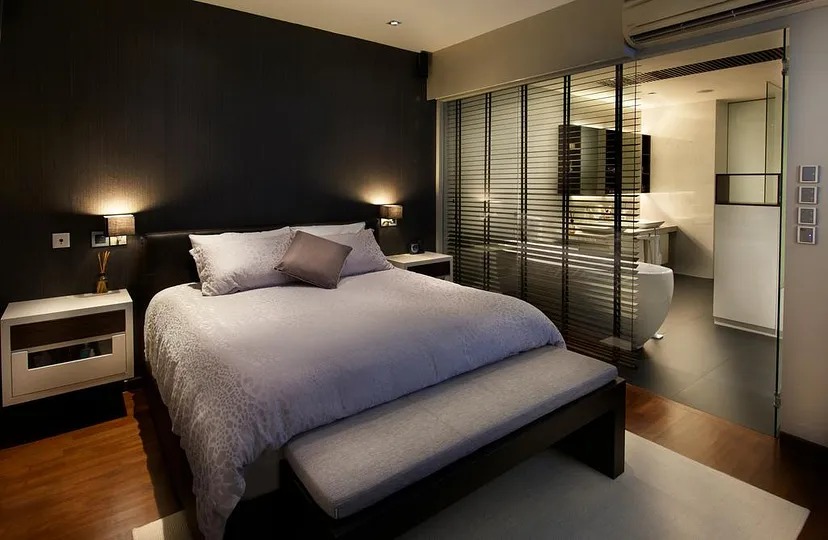
- Wall Lights for Bedrooms: Look for adjustable sconces or swing arm lights that offer both task and ambient lighting.
Matching Wall Lights with Your Decor
Your wall lights should complement the overall decor of your space.
- Traditional vs. Modern Styles: Traditional spaces might benefit from ornate sconces, while modern rooms look great with minimalist, sleek designs.
Lighting Temperature and Color
The color temperature of your wall lights can affect the mood of the room.
- Warm vs. Cool Lighting: Warm lighting creates a cozy, inviting atmosphere, while cool lighting is energizing and works well in workspaces or bathrooms.
Installation and Safety Tips
Installing wall lights involves some technical know-how, especially if you’re dealing with electrical wiring. Here’s what you need to consider:
Electrical Considerations
Before installing, decide whether you want hardwired or plug-in wall lights.
- Hardwired vs. Plug-in Wall Lights: Hardwired lights offer a clean look with no visible cords but require professional installation. Plug-in lights are easier to install but may have visible cords.
Height and Placement
The height at which you install your wall lights can make a big difference in both aesthetics and functionality.
- Optimal Placement for Different Types of Wall Lights: For general lighting, install sconces about 5-6 feet from the floor. Picture lights should be placed above the artwork, and swing arm lights should be at eye level when seated.
Safety Precautions
Ensuring proper installation is crucial for both safety and functionality.
- Ensuring Proper Installation: Always follow manufacturer guidelines, and if in doubt, hire a professional to install your wall lights.
Energy Efficiency and Eco-Friendly Options
In today’s environmentally conscious world, energy efficiency is more important than ever. Fortunately, there are plenty of eco-friendly wall light options to choose from.
LED Wall Lights
LED lights are the go-to choice for energy efficiency.
- Benefits of LED Technology: LED lights use less energy, last longer, and are available in various color temperatures, making them a versatile and eco-friendly option.
Solar-Powered Wall Lights
Solar-powered wall lights are perfect for outdoor spaces.
- Harnessing Solar Energy: These lights are energy-efficient and cost-effective, as they rely on the sun to power up, reducing your electricity bill.
Maintaining and Cleaning Your Wall Lights
Proper maintenance can extend the life of your wall lights and keep them looking their best.
Cleaning Different Materials
Each material requires a specific cleaning approach to avoid damage.
- Tips for Cleaning Metal, Glass, and Ceramic: Use a soft cloth for metal finishes, a glass cleaner for glass surfaces, and a damp cloth for ceramic lights.
Replacing Light Bulbs
Changing bulbs might seem straightforward, but there are some best practices to follow.
- Best Practices for Changing Bulbs: Always switch off the power before changing a bulb, and make sure to use the correct wattage as specified by the manufacturer.
Conclusion
Choosing the right wall lights can transform your space, adding both functionality and style. Whether you prefer the classic look of sconces, the modern appeal of flush mounts, or the versatility of swing arm lights, there's a perfect wall light out there for you. Keep in mind the material, finish, and installation tips to ensure you make the best choice for your home. With the right wall lights, you can create a warm, inviting atmosphere that enhances your overall decor.
FAQs
1. What is the best height for wall lights?Wall lights should generally be installed 5-6 feet from the floor, depending on the room’s function and the type of light.
2. Can I install wall lights myself?Yes, if you're comfortable with basic electrical work. However, for hardwired lights, it’s recommended to hire a professional.
3. How do I choose the right wattage for wall lights?The correct wattage depends on the light’s purpose. For ambient lighting, 40-60 watts per bulb is usually sufficient.
4. Are LED wall lights worth the investment?Absolutely! LED lights are energy-efficient, long-lasting, and available in various color temperatures to suit different needs.
5. How do I match wall lights with other lighting in my home?Consider the overall decor and color scheme. It’s best to choose wall lights that complement your ceiling lights, lamps, and other fixtures.
Source: medium.com