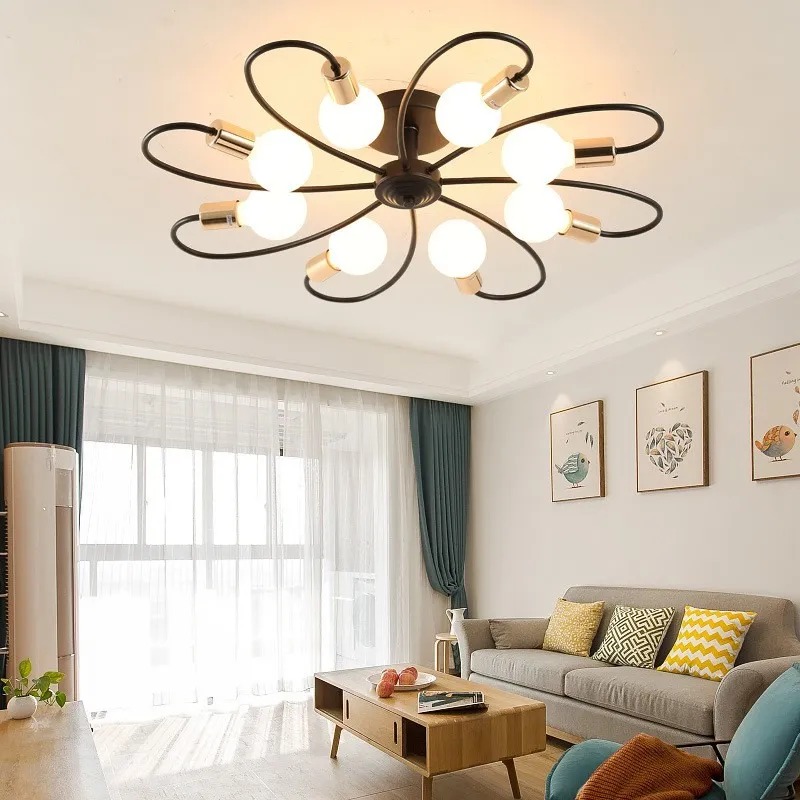
Introduction
What is a Pendant Light?
Pendant lights are a versatile and stylish lighting option that hangs from the ceiling, usually suspended by a cord, chain, or rod. They come in a variety of shapes, sizes, and styles, making them suitable for different areas and purposes within a home. Whether you’re looking to brighten up your kitchen, add a touch of elegance to your dining room, or create a cozy atmosphere in your bedroom, pendant lights can be a perfect choice.
Brief History of Pendant Lighting
Pendant lighting has been around for centuries, evolving from simple oil lamps to the sophisticated and diverse designs we see today. Historically, pendant lights were used in grand hallways and dining rooms of stately homes, often featuring intricate designs and luxurious materials. Today, pendant lights are more accessible and come in a wide range of styles, from traditional to modern, reflecting the diverse tastes and needs of contemporary interiors.
Types of Pendant Lights
Single Pendant Lights
Single pendant lights are a classic choice that provides focused illumination. They are ideal for highlighting specific areas, such as over a kitchen island or dining table. Their simplicity makes them versatile and easy to integrate into various décor styles.
Multi-Light Pendant Lights
Multi-light pendant lights feature multiple bulbs arranged in a single fixture, offering more widespread light coverage. They are perfect for large spaces or areas where more light is needed, such as dining rooms or open-plan living areas.
Cluster Pendant Lights
Cluster pendant lights consist of several small pendants grouped together, often at varying heights. This style adds visual interest and can be used to create a statement piece in a room, making it a great choice for entryways or above a dining table.
Adjustable Pendant Lights
Adjustable pendant lights offer flexibility with their height and angle, allowing you to customize the lighting based on your needs. This type is particularly useful in spaces where lighting needs may change, such as over a work area or a dining table.
Pendant Light Styles
Modern Pendant Lights
Modern pendant lights are characterized by their sleek lines, minimalistic designs, and use of contemporary materials like glass and metal. They are perfect for modern and minimalist interiors, providing both functionality and style.
Vintage Pendant Lights
Vintage pendant lights often feature classic designs and materials, such as brass or antique finishes. They add a touch of nostalgia and elegance to any room, making them ideal for traditional or retro-themed spaces.
Industrial Pendant Lights
Industrial pendant lights are known for their rugged and utilitarian design, often incorporating materials like metal and exposed bulbs. They work well in lofts or urban-style interiors, providing a raw, edgy look.
Rustic Pendant Lights
Rustic pendant lights feature natural materials like wood and wrought iron, often with a handcrafted appearance. They bring warmth and character to spaces with a cozy, country-inspired décor.
Choosing the Right Pendant Light for Your Space
Consider the Room’s Purpose
When selecting a pendant light, think about the function of the room. For task lighting, such as over a kitchen counter, choose a pendant light that provides focused illumination. For ambiance, opt for a fixture that offers soft, diffused light.
Ceiling Height Considerations
The height of your ceiling will influence the type of pendant light you choose. For standard ceilings, a single pendant light with a fixed height works well. For high ceilings, consider an adjustable or multi-light pendant to ensure adequate lighting and proportionate scale.
Size and Scale of Pendant Lights
Ensure the size of the pendant light is proportionate to the space. A large pendant light can become a focal point in a room, while smaller pendants may be used in clusters or groups to achieve the desired effect.
Lighting Needs and Bulb Types
Different pendant lights use various bulb types, including incandescent, LED, and CFL. Choose a bulb that matches your lighting needs and energy efficiency preferences. LEDs are a popular choice for their longevity and low energy consumption.
Installation of Pendant Lights
Preparing for Installation
Before installing a pendant light, gather all necessary tools and materials, including a ladder, screwdriver, and electrical tape. Turn off the power at the circuit breaker to ensure safety.
Installation Steps
- Turn off Power: Ensure the power is off at the circuit breaker.
- Install Mounting Bracket: Attach the mounting bracket to the ceiling.
- Connect Wires: Connect the pendant light’s wires to the ceiling wires, typically matching colors (black to black, white to white).
- Attach Fixture: Secure the pendant light to the mounting bracket.
- Test Light: Turn the power back on and test the light to ensure proper installation.
Professional vs. DIY Installation
While DIY installation can be cost-effective, professional installation ensures the pendant light is installed correctly and safely. If you’re unsure about handling electrical components, it’s best to hire a licensed electrician.
Safety Tips for Installation
- Always turn off the power before starting any electrical work.
- Use insulated tools to prevent electrical shocks.
- Follow the manufacturer’s instructions for installation and maintenance.
Maintaining Pendant Lights
Cleaning and Care
Regular cleaning helps maintain the appearance of pendant lights. Use a soft cloth and mild cleaner to wipe down glass or metal surfaces. For intricate designs, use a gentle brush to remove dust and debris.
Troubleshooting Common Issues
If your pendant light flickers or doesn’t work, check the connections and ensure the bulbs are properly seated. If problems persist, consult a professional electrician.
Replacing Bulbs and Parts
When replacing bulbs, ensure they match the specifications of your pendant light. For damaged parts, such as broken glass or loose wiring, consult the manufacturer’s instructions or seek professional repair services.
Popular Pendant Light Designs
Glass Pendant Lights
Glass pendant lights come in various shapes and finishes, from clear to frosted glass. They offer a sleek, modern look and are excellent for showcasing decorative bulbs.
Metal Pendant Lights
Metal pendant lights, available in finishes like brass, copper, or matte black, add a touch of sophistication and durability. They work well in both modern and industrial settings.
Wooden Pendant Lights
Wooden pendant lights add warmth and natural texture to a room. They are often used in rustic or coastal décor styles and can be crafted from various types of wood.
Fabric Pendant Lights
Fabric pendant lights feature shades made from materials like linen or silk, offering a soft, diffused light. They are ideal for creating a cozy and inviting atmosphere.
Pendant Lights in Different Rooms
Kitchen Pendant Lights
In the kitchen, pendant lights are often used over islands or countertops to provide task lighting and enhance the cooking area. Choose fixtures that offer bright, focused illumination.
Dining Room Pendant Lights
Pendant lights above the dining table create a focal point and provide ample light for meals. Consider a multi-light or cluster pendant for a dramatic effect.
Living Room Pendant Lights
In the living room, pendant lights can serve as a statement piece or provide ambient lighting. Opt for designs that complement your existing décor and offer adjustable lighting options.
Bedroom Pendant Lights
Pendant lights in the bedroom can provide both ambient and task lighting. Choose softer, warmer tones for a relaxing atmosphere or adjustable options for reading and other activities.
Energy-Efficient Pendant Lighting Options
LED Pendant Lights
LED pendant lights are energy-efficient and have a longer lifespan compared to traditional bulbs. They offer a range of color temperatures and are suitable for various applications.
CFL Pendant Lights
Compact Fluorescent Lamps (CFLs) are another energy-efficient option. They use less energy than incandescent bulbs and are available in various styles and designs.
Comparing Energy Efficiency
When choosing pendant lights, consider the energy efficiency of the bulb types available. LEDs are generally the best choice for reducing energy consumption and lowering utility bills.
Cost Considerations
Budgeting for Pendant Lights
Pendant lights are available at various price points, from budget-friendly options to high-end designs. Determine your budget and look for fixtures that offer the best value for your money.
Factors Affecting Cost
The cost of pendant lights can vary based on materials, design complexity, and brand. Custom or designer options will typically be more expensive than standard models.
Getting the Best Value
To get the best value, consider both the initial cost and long-term benefits, such as energy savings and durability. Shop around and compare prices to find a pendant light that fits your needs and budget.
Conclusion
Pendant lights are a versatile and stylish choice for enhancing your home’s lighting. With a wide range of styles, designs, and installation options, there’s a pendant light to suit every space and taste. By considering factors like room purpose, ceiling height, and energy efficiency, you can select the perfect pendant light to brighten up your home. Whether you opt for a sleek modern design or a classic vintage piece, pendant lights can add both functionality and flair to your interior décor.
FAQs
What height should pendant lights be hung?
Pendant lights should typically be hung about 30 to 36 inches above a dining table or kitchen island. For high ceilings, the height can be adjusted based on the space and desired effect.
Can pendant lights be used in a small room?
Yes, pendant lights can be used in small rooms. Opt for smaller fixtures or clusters of smaller pendants to avoid overwhelming the space and to provide adequate lighting.
How do I choose the right bulb for my pendant light?
Choose a bulb that matches the fixture’s specifications and provides the desired brightness and color temperature. LED bulbs are often a good choice for their energy efficiency and longevity.
Are pendant lights easy to install?
Pendant lights can be installed as a DIY project if you have basic electrical knowledge. However, for safety and accuracy, consider hiring a professional electrician.
How often should I clean my pendant lights?
Clean pendant lights regularly, at least every few months, to maintain their appearance and prevent dust buildup. Adjust the cleaning frequency based on the location and amount of dust in the room.
Source: medium.com