Introduction
Lighting is one of the most crucial elements of interior design, capable of transforming a space entirely. A well-lit room not only feels more inviting but also influences mood and productivity. While overhead lighting tends to be the primary source of light, table lamps bring a layer of elegance and warmth that overhead fixtures often lack. If you’re wondering how to maximize lighting and ambience using table lamps, this guide offers placement ideas to help you get it right.
Benefits of Using Table Lamps for Lighting
Versatile Lighting Solutions
Table lamps are not only decorative but highly functional. Whether you’re reading, working, or simply relaxing, table lamps can adjust to various needs, offering both direct and ambient lighting. Their portability allows you to shift the focus of light in any direction you need, giving you flexibility that fixed lighting can’t provide.
Enhancing the Overall Décor
A table lamp isn’t just a light source; it’s also a statement piece. By choosing the right design, you can enhance your room’s décor, tying together the elements of your space. Whether your room leans toward modern, traditional, or eclectic design, there’s a table lamp style to complement it.
Creating a Cozy Atmosphere
Nothing creates a warm, cozy feeling quite like the soft glow of a table lamp. Unlike harsh overhead lights, table lamps provide a gentle, ambient light that can transform the mood of a room. They’re perfect for creating a relaxing evening atmosphere or adding a touch of elegance to a social gathering.
Choosing the Right Table Lamp for Your Space
Selecting the perfect table lamp for your space involves more than just choosing a design you like. You need to consider the room’s function, style, and overall layout to ensure your lamp enhances the space instead of overwhelming it.
Consider Your Room’s Style and Function
First, think about the room where your lamp will go. Is it a bedroom where soft lighting is needed? Or a home office where task lighting is more important? Once you’ve defined the purpose, you can then match the style of the lamp to the room’s existing décor.
How to Pick the Right Size and Shape
A table lamp that’s too large can dominate a small space, while one that’s too small may feel insignificant. Always consider proportion. For example, a lamp on a nightstand should be roughly one-third the size of the table for a balanced look.
Matching Lamp Styles to Your Room’s Theme
The design of the table lamp should harmonize with the rest of your furniture and accessories. Whether it’s sleek and modern or ornate and vintage, the lamp should feel like a natural addition to the room’s overall theme.
Factors to Consider When Selecting a Table Lamp
Brightness and Light Intensity
Different rooms require different levels of brightness. A reading lamp in a living room needs to provide enough light to comfortably read, while a bedroom lamp should offer softer, more ambient light. Consider lamps with dimmer switches to adjust brightness levels as needed.
Lamp Height and Proportion
Lamp height is crucial for both function and aesthetics. As a rule of thumb, the bottom of the lamp shade should be at eye level when you’re seated next to it. This ensures the light source is neither too glaring nor too dim for practical use.
Materials and Finishes That Suit Your Space
Table lamps come in a variety of materials, from ceramic and glass to metal and wood. Choose a material and finish that complements the textures and colors of your existing furniture. For example, a brass lamp might add a touch of luxury to a formal living room, while a wooden lamp would bring warmth to a rustic space.
Best Areas to Place Table Lamps in Your Home
Living Room Placement Ideas
Accent Lighting for a Cozy Living Room Corner
One of the best ways to create a cozy nook in your living room is by placing a table lamp in a corner, perhaps next to an armchair or sofa. This makes for a perfect reading or relaxing spot, while also adding warmth to the overall space.
Pairing Table Lamps with Sofas and Reading Areas
When placing table lamps near sofas or reading chairs, ensure they provide enough light for tasks like reading or working on a laptop, without causing glare. Positioning them at the right height is essential for comfort and usability.
Bedroom Table Lamp Placement
How Bedside Lamps Create Perfect Ambient Lighting
In the bedroom, bedside lamps are key to creating a serene, relaxing atmosphere. Place them on nightstands for easy access and to create soft, calming light before sleep.
Placement Tips for Small and Large Bedrooms
In smaller bedrooms, a single table lamp might suffice, while larger bedrooms benefit from a pair of matching lamps on either side of the bed for a balanced look. Consider lamps with built-in USB ports for added functionality.
Dining Room and Entryway Placement
Setting the Mood with Table Lamps on Sideboards and Consoles
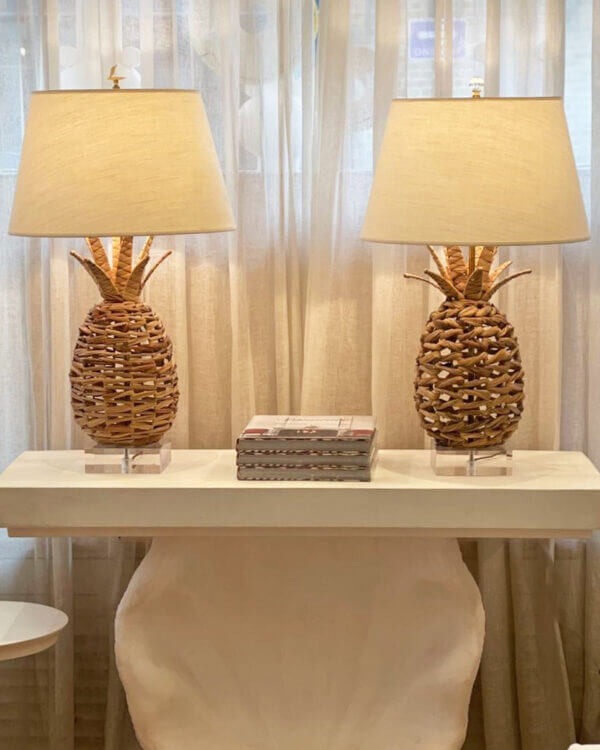
A table lamp on a dining room sideboard or console table adds a layer of sophistication to your dinner setting. It creates ambient light that’s perfect for intimate dining experiences.
Entryway Lighting to Welcome Guests
Table lamps in entryways offer a welcoming glow and create an inviting atmosphere for anyone stepping into your home. Choose a lamp with a warm light to set a cozy tone right from the start.
Maximizing Light and Ambience in Small Spaces
Using Table Lamps in Small Apartments
In small apartments, where space is limited, table lamps can play a dual role by acting as both functional lighting and decorative pieces. Choose compact designs that won’t overwhelm the space but still provide ample light.
How Table Lamps Can Make a Room Feel Larger and Brighter
Positioning a table lamp near a mirror or reflective surface can bounce light around the room, making it feel larger and more open. This is a great trick for small rooms or apartments with limited natural light.
Layering Lighting for Maximum Effect
Combining Table Lamps with Ceiling Lights and Wall Lights
To achieve a well-balanced lighting scheme, consider layering your light sources. Table lamps work well alongside ceiling lights and wall sconces, creating a more dynamic, multi-dimensional light effect.
How Different Lighting Layers Create Ambience
By layering different types of lighting, such as ambient, task, and accent lights, you can control the mood and atmosphere of a room. This layered approach allows for greater flexibility in lighting your home.
Creative Table Lamp Placement Ideas
Using Table Lamps in Hallways
Hallways are often overlooked when it comes to lighting. A small table lamp on a console table can add warmth and character to an otherwise plain area.
Office and Workspaces
In your home office, a table lamp can provide focused task lighting while also enhancing the room’s aesthetics. Look for adjustable lamps that offer flexibility for working at different times of the day.
Tips for Creating a Balanced Lighting Layout
How to Avoid Over-lighting or Under-lighting a Space
The goal is to create a balance between too much and too little light. Make sure that your table lamps complement, rather than compete with, other light sources in the room.
The Perfect Number of Table Lamps for Different Room Sizes
As a general rule, larger rooms benefit from multiple lamps, while smaller spaces can make do with one or two. Be mindful of creating symmetry and avoiding overcrowding your surfaces.
Conclusion
Table lamps are not just functional light sources; they are key design elements that can completely change the look and feel of your home. By carefully considering placement, design, and lighting needs, you can enhance both the functionality and the ambiance of any room.
Looking to elevate your space with modern, stylish table lamps? Visit Light Atelier today and discover a curated selection of sleek, contemporary designs that add a touch of elegance to any room. Whether you’re revamping your living room or creating a cozy bedroom atmosphere, Light Atelier has the perfect lamp to suit your style. Shop now and transform your home lighting with sophistication and flair!
FAQs
How many table lamps should I have in a living room?
It depends on the size of the room, but typically two lamps on either side of a sofa or armchair are ideal for a balanced look.
What height should a table lamp be?
The bottom of the lampshade should be at eye level when you’re seated to prevent glare.
Can table lamps replace overhead lighting?
While table lamps provide excellent ambient and task lighting, they are best used in conjunction with overhead lights for a well-lit room.
What types of bulbs work best for table lamps?
LED bulbs are energy-efficient and long-lasting. You can also choose between warm or cool light depending on the ambiance you want to create.
How do I match my table lamp to my room’s style?
Choose lamps that complement the colors, textures, and overall design theme of your room.
Source: medium.com