In the general trend of global environmental protection, lithium batteries, with advantages such as high energy density and long cycle life, are widely used in many fields, including smartphones, electric vehicles, and energy storage power stations. However, with the sharp increase in the usage of lithium battery, a large number of used lithium batteries, if not properly disposed of, will not only pollute the environment but also waste valuable resources. Moreover, the high cost of recycling and disposal has restricted the development of the industry. Therefore, exploring measures to reduce costs is of great significance.
Optimize the Battery Recycling Process to Improve Cost-effectiveness
The recycling process plays a crucial role in cost control. Traditional processes are complex and inefficient, consuming a large amount of resources. Optimizing the process can significantly enhance efficiency and reduce costs.
Breakthrough in Physical Separation Process
A well-known foreign enterprise has adopted an advanced physical recycling process. Through a series of physical treatments such as crushing, screening, and magnetic separation of used rechargeable batteries, the metal materials are efficiently separated. Compared with the traditional chemical recycling process, this process reduces the use of chemical reagents, lowers the risk of pollution, and reduces the recycling cost by about 30%. It simplifies the process and cuts down on the high costs of reagents and treatment in complex chemical processes.
Synergistic Effect of Combined Technologies
Domestic enterprises have also developed a combined recycling process. First, the lithium batteries are disassembled by mechanical crushing, and then combined with technologies such as chemical leaching and electrolytic refining to achieve high-purity recycling of lithium, cobalt, nickel, etc. The resource recovery rate has been greatly improved, and the cost of processing each ton of used lithium batteries has been reduced by 500 - 1000 yuan. The synergy of multiple technologies improves the purity of recycled metals and their market value, thereby reducing the overall cost.
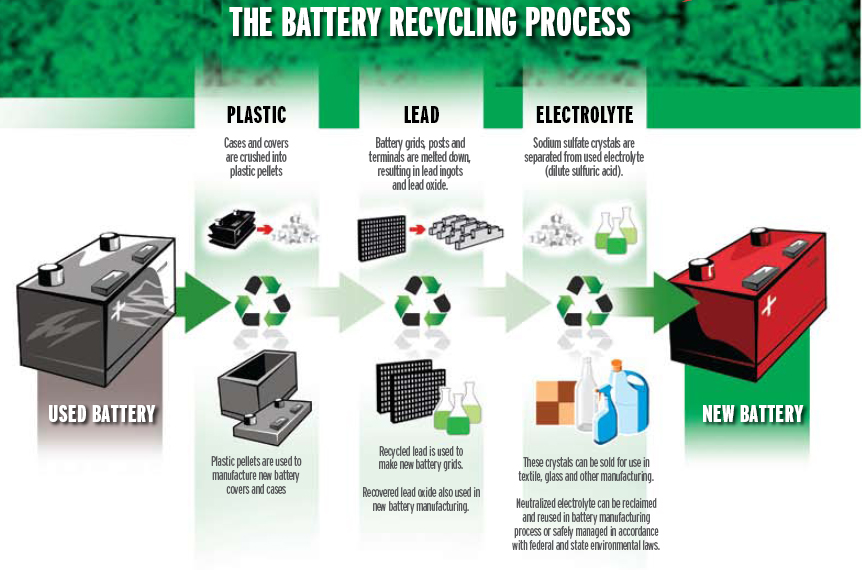
Increase Resource Recovery Rate to Tap Batteries Potential Value
Increasing the resource recovery rate is the core of cost reduction. Lithium batteries contain precious metals such as lithium, cobalt, and nickel, which have high economic value. Improving the recovery rate during recycling can not only reduce the cost of raw material procurement but also generate additional profits by selling the recycled metals.
In-depth Research of Tesla's Lithium Battery Recycling Technology
Tesla has invested heavily in the battery recycling research and development. By improving the recycling technology, the recovery rate of cobalt, nickel, and other metals has exceeded 90%. This has significantly saved raw material procurement funds and made the recycled metals highly favored in the market, bringing considerable economic benefits. Long-term R&D investment has led to technological breakthroughs, and the high recovery rate has helped with self-sufficiency in raw materials and enhanced competitiveness.
Independent R&D Achievements of GEM
GEM, focusing on lithium battery recycling, has achieved a lithium recovery rate of over 85% and a cobalt and nickel recovery rate of up to 98% through independent R&D. The high recovery rate has helped reduce costs and gain an advantage in market competition.
Reduce Batteries Transportation Costs and Build an Efficient Logistics Network
Transportation costs account for a large proportion of the recycling and disposal costs. As used rechargeable batteries are widely distributed and scattered, reducing transportation costs is crucial. Some enterprises solve this problem by building an efficient logistics network.
A large foreign battery recycling enterprise has cooperated with professional logistics providers and used big data to optimize transportation routes. Based on factors such as the distribution, quantity, and transportation time requirements of used lithium batteries, reasonable plans are formulated, reducing transportation mileage and the empty-load rate. The transportation cost has been reduced by about 25%. Some domestic recycling enterprises have adopted the "centralized collection - regional transfer" model, setting up multiple small collection points, transporting the collected batteries to regional transfer centers, and then to recycling plants, reducing transportation complexity and costs.
Reasonably Utilize Policy Subsidies to Alleviate Cost Pressure
Government policy subsidies promote the development of the lithium battery recycling industry. Some European countries provide subsidies for recycling enterprises, up to 30% of the recycling and disposal cost per ton of used batteries, relieving cost pressure. In China, support is also provided through financial subsidies and tax incentives. Some enterprises have reduced the recycling and disposal cost by 15% - 20% by reasonably utilizing policies. Enterprises should pay attention to policies and make full use of subsidies to reduce costs and promote sustainable development.
Technological Innovation to Reduce Equipment Investment and Improve Cost-performance
Advanced equipment ensures efficient recycling but comes with high procurement costs. Technological innovation to reduce equipment investment is an important part of cost reduction.
A new type of battery replacement recycling equipment developed by a foreign research institution adopts a modular design, which can be flexibly assembled according to the recycling scale. The procurement cost is about 40% lower than that of traditional large-scale equipment, and the operating energy consumption is reduced by 20%. A domestic enterprise's independently developed intelligent lithium battery disassembly equipment improves disassembly efficiency, and the manufacturing cost is 60% lower than that of imported equipment. Technological innovation helps enterprises achieve efficient recycling with low equipment investment and reduce overall costs.
Reducing the recycling and disposal costs of lithium batteries is of great significance for the sustainable development of the industry and environmental protection. Through measures such as optimizing the recycling process, increasing the resource recovery rate, reducing transportation costs, utilizing policy subsidies, and technological innovation to reduce equipment investment, a win-win situation of economic and environmental benefits can be achieved. We look forward to readers' comments and discussions on related issues to jointly promote the development of the industry.